Baker City resident finds 123-year-old journal detailing woman's family
A Baker City resident found a 1903 journal in a parking lot that names a husband Ben and daughters Aileen, Aly and Georgia, a discovery that could help local historians and families.

A small notebook unearthed on a Baker City pavement has given the community a tangible glimpse into family life more than a century ago. The journal, roughly 6 inches by 3 inches, contains pencil entries dated 1902-1904 and references a husband named Ben, daughters Aileen, Aly and Georgia, and the birth of a baby.
"A Baker City resident, Randy Sandknop, found a small journal in a parking lot in mid-January that dates to 1903. The journal, about 6 inches by 3 inches, contains pencil entries (1902–1904) by a woman who mentions a husband named Ben and daughters Aileen, Aly and Georgia, and the birth of a baby," reads one account of the find. Another description captured the moment this way: "Randy Sandknop stood in a Baker City parking lot, reached down and plucked from the pavement a 123-year-old mystery."
Randy Sandknop found the journal on January 28, 2026, in a Baker City parking lot. The pages are handwritten in pencil and, according to the entry dates, belong to the early 1900s. Beyond the names and the brief mention of a newborn, the journal’s entries in the supplied account do not include a full name, address, or other identifying details. The exact parking lot where the item was recovered and the current custodial status of the journal remain unreported.
For Baker County residents, the discovery matters for several reasons. Personal papers like this can help families trace ancestry, fill gaps where official vital records are incomplete, and reconnect descendants to local history. For public health and social historians, first-person accounts from the era can offer context about maternal and infant experiences, household composition, and the everyday challenges faced by women in the region. That context can shed light on long-term trends in community health and access to services, and can support efforts to make historical records and resources more available to people seeking genealogical and health-related information.
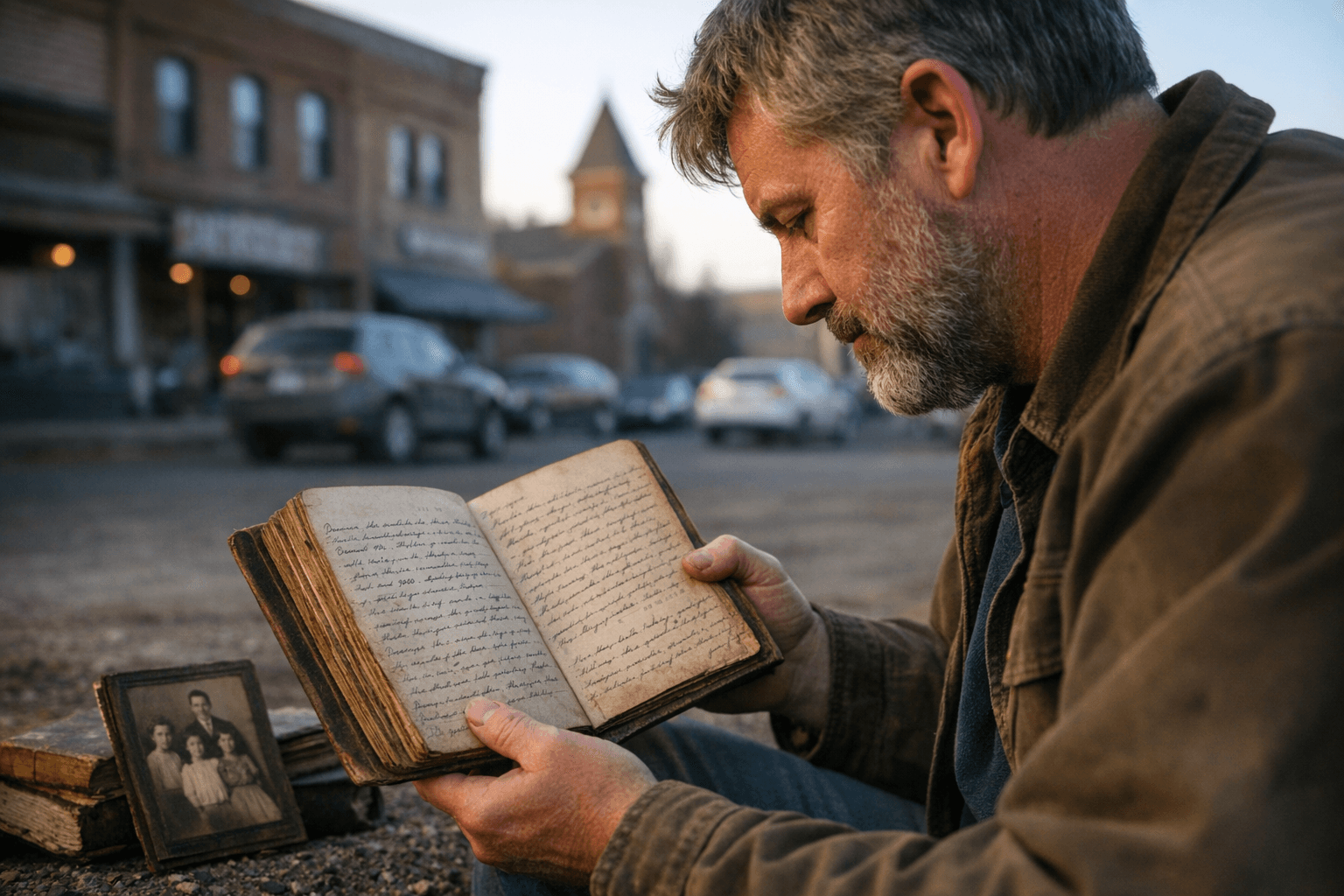
The find also underscores practical concerns about preservation and access. Paper from the early 1900s is fragile; pencil can fade; and handling without conservation can risk further loss. Preservation resources at the Baker County Historical Society, local libraries, or state archives can stabilize the journal and produce transcriptions that make the contents searchable for researchers and descendant families. Funding and staffing for those institutions affect how quickly documents are stabilized and made public, raising questions about equitable access to local history for all residents.
As the story develops, the community may be asked to help identify the family named in the journal or to share related documents and memories. For now, the pocket-sized volume is a reminder that ordinary places - a parking lot in Baker City - can yield unexpected connections to the lives of women and children who lived here more than a century ago. Reporters will follow up as the journal is preserved and transcribed, and as efforts begin to link the names inside to the families and records of Baker County.
This article was produced by Prism’s automated news system from verified source data, official records, and press releases, then run through automated quality and moderation checks before publishing. The system is built and supervised by the people who set the standards it runs under. Read our full AI policy.
Did this article answer your question?