Baker County Library District Anchor for Rural Services and Learning
On February 27, 2020, the Baker County Library District operated a network of branches led by its main library at 2400 Resort St. The system provides internet access, youth programming, interlibrary loans and community meeting space, making it a central resource for research, early literacy and workforce support across dispersed rural communities.
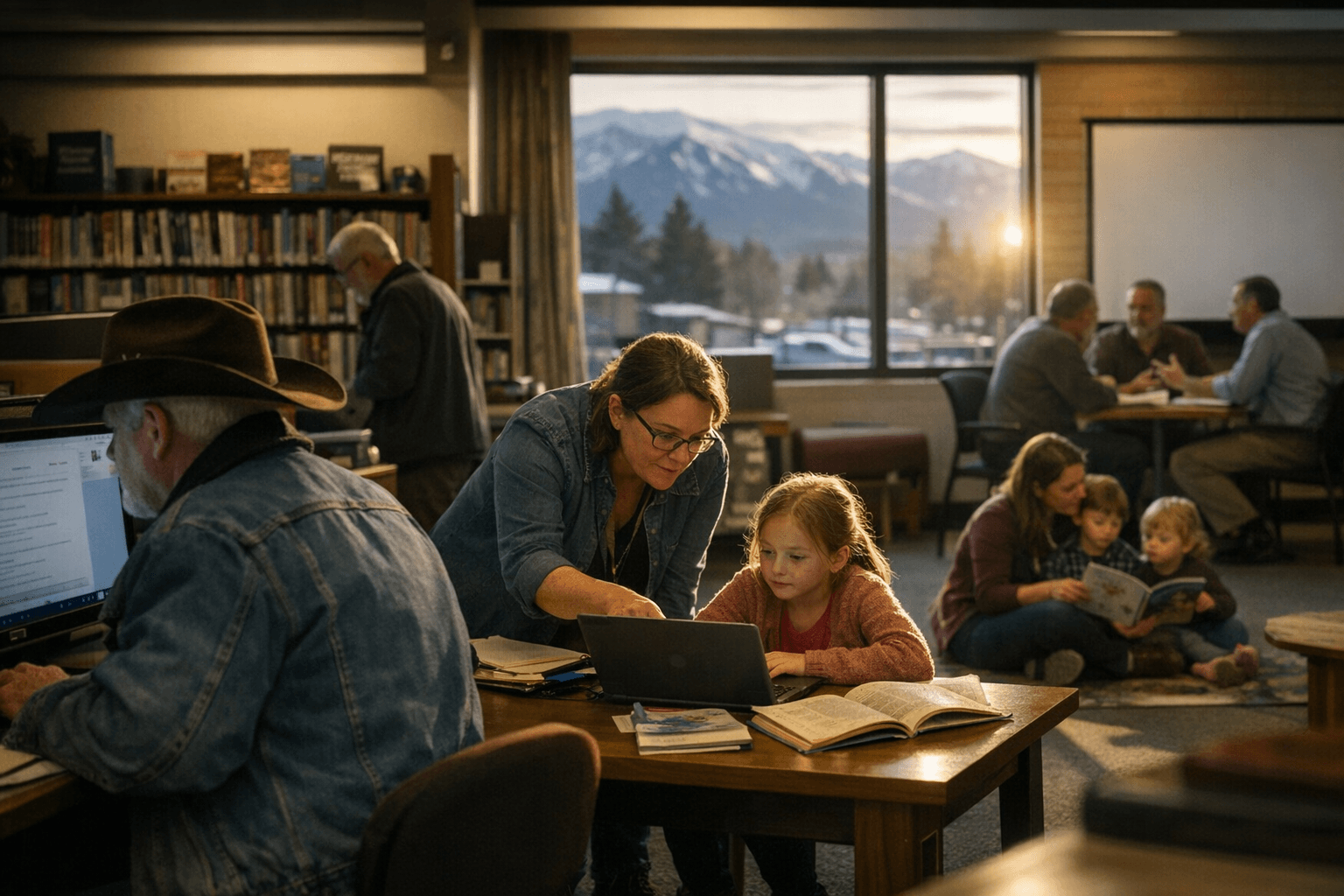
The Baker County Library District served Baker City and surrounding rural communities through a hub-and-branch model centered at the main branch, 2400 Resort St., with smaller branches in Haines, Halfway, Richland and Sumpter. The system offered public internet access, storytime and youth programming, interlibrary loans, digital collections of eBooks and audiobooks, community meeting space, outreach to schools and seniors, and local event listings.
These services positioned the library as more than a repository of books. For residents without reliable home broadband, the library’s public internet access provided essential connectivity for job searches, educational assignments and accessing government services. Digital collections and interlibrary loan expanded resources available to patrons who would otherwise face lengthy travel times to reach material. Youth programming and early literacy efforts addressed foundational education needs that affect long-term school readiness. Community meeting spaces and local event listings supported civic activity and gave nonprofit groups and residents a venue to gather.
The geographic spread of branches underscored the district’s role in reaching dispersed populations. Maintaining service across Baker County’s rural terrain requires sustained operational capacity, including funding for staff, technology and outreach. For local officials and voters, the library’s offerings raise policy questions about broadband infrastructure, transportation access and budget priorities. Decisions at the county and municipal level about support for libraries influence whether residents can rely on these services for workforce development, education and civic engagement.
Institutionally, the district functions as a public service provider that intersects with multiple public policy goals: closing the digital divide, supporting early childhood education, and offering civic infrastructure in the form of meeting space and community programming. Preserving and strengthening that role depends on transparent budgeting, community input and coordination with schools and senior services to align programs with local needs.
For Baker County residents, the library remains a tangible asset for everyday needs and long-term opportunity. As local governments set priorities, the availability of internet access, programming for children and seniors, and meeting space at the county library should be part of conversations about equitable service delivery and investment in rural communities.
This article was produced by Prism’s automated news system from verified source data, official records, and press releases, then run through automated quality and moderation checks before publishing. The system is built and supervised by the people who set the standards it runs under. Read our full AI policy.
Did this article answer your question?