Baker County schedules hearing on proposed noxious weed ordinance
A proposed weed ordinance could spell out who must clear infestations, how fast, and what costs can landowners face on Baker County pasture and rural ground.
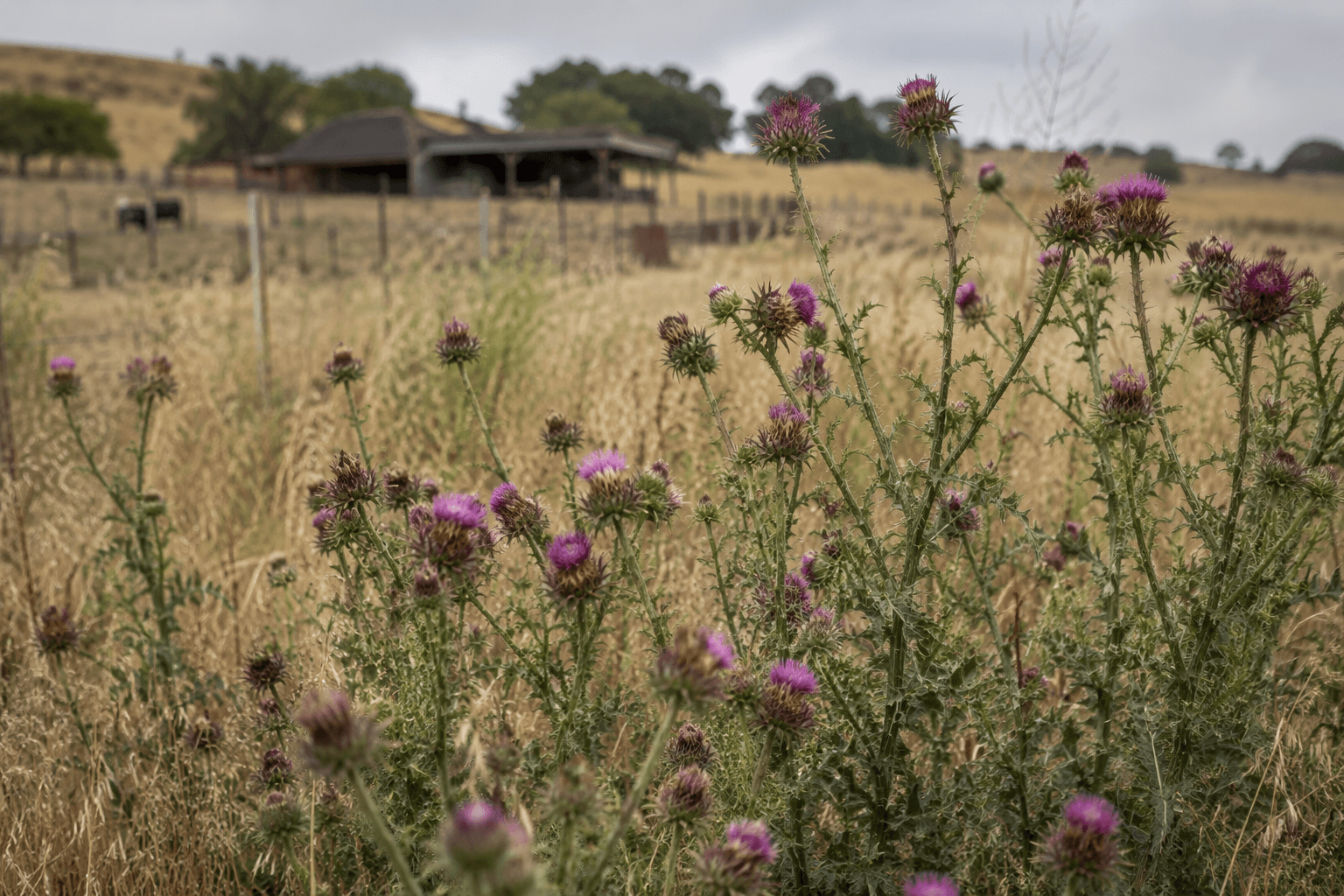
Baker County set a public hearing on Ordinance No. 2026-06, a proposed noxious weed measure that could define what ranchers, farmers and rural landowners must do when invasive plants spread on private ground. The ordinance would also clarify when the county can step in, how property owners are notified and what enforcement tools apply if infestations are not handled.
The issue reaches far beyond a county paperwork change. Weed control affects grazing value, hay production, roadside maintenance, water quality, wildlife habitat and fire conditions across Baker County, where invasive plants can crowd out forage and create long-term costs for both landowners and public agencies. For rural properties, the practical question is whether the county will rely more heavily on notice, technical assistance or formal enforcement when weeds are found.

Baker County already has a long-running weed-control structure. The county’s Noxious Weed Plan was revised May 9, 2002, prepared by Arnie Grammon as weed supervisor, reviewed by the Baker County Weed Advisory Committee and the Baker County Road Department, and approved by the Baker County Board of Commissioners. Current county materials also show direct help for landowners: Baker County Weed District guidelines say landowners can receive free product from the Weed District or be reimbursed for approved herbicides, with typically up to 30 acres of free product available.
The county’s weed program also uses prioritization. A 2020-2021 Baker County Weed District list says all listed weeds are eligible for cost-share, while Early Detection/Rapid Response weeds, those not present in Baker County or known only at very few sites, are controlled at the expense of the Baker County Weed District. Another district application form shows a 50% cost-share model with a $500 maximum limit on at least one earlier form. The Weed Board also encourages integrated pest management techniques to reduce the impact of noxious weeds.
State law gives counties authority to act. Oregon Revised Statutes Chapter 569 says noxious weeds are a public nuisance and sets responsibilities for weed control at both the state and county levels. The Oregon Department of Agriculture says its Noxious Weed Control Program is meant to protect Oregon’s natural resources and agricultural economy from invasive noxious weeds. Baker County is also part of the Tri-County Cooperative Weed Management Area with Union County and Wallowa County, a sign that weed spread is being handled as a regional problem, not just a local nuisance.
The county has tied weed control to other land-management work before. A Baker County Mason Dam hydroelectric project noxious weed management plan was dated February 2011, and the county’s Natural Resources Plan was adopted by the Baker County Natural Resources Advisory Committee on June 28, 2016 and by the Board of Commissioners on July 20, 2016. Ordinance No. 2026-06 now appears to be the next step in turning those established practices into clearer legal procedure for Baker County landowners.
This article was produced by Prism’s automated news system from verified source data, official records, and press releases, then run through automated quality and moderation checks before publishing. The system is built and supervised by the people who set the standards it runs under. Read our full AI policy.
Did this article answer your question?