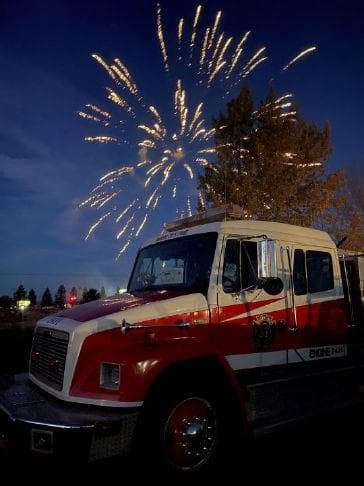
Baker County Search and Rescue Explained, How to Get Help and Volunteer
Baker County Search and Rescue is a volunteer team coordinated by the Baker County Sheriff’s Office that responds to lost hikers, downed aircraft, water emergencies, and other missions across the county and nearby jurisdictions. Knowing how to summon the team, what training they maintain, and how residents can prepare or volunteer matters for public safety, response costs, and community resilience.
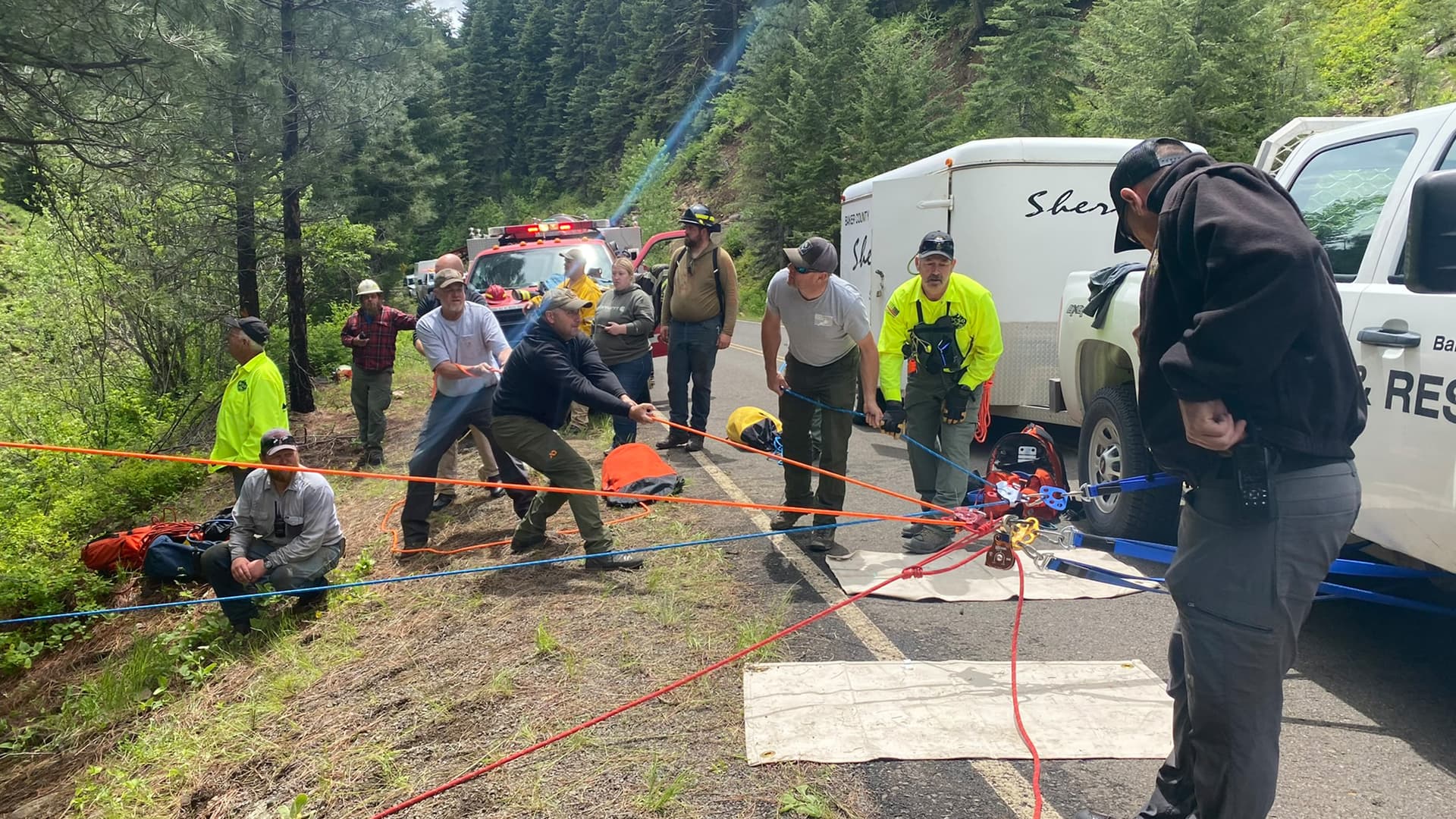
Baker County Search and Rescue operates as a volunteer arm of the Baker County Sheriff’s Office, providing emergency responses to lost hikers, hunters, campers, downed aircraft, water rescues, and other incidents across the county while offering mutual aid to neighboring counties. The team maintains mission equipment trailers stocked with rope rescue gear, litters, heaters, and other supplies, and conducts regular training to keep readiness high.
In practical terms the group trains in rope rescue, ground search, tracking, horseback searches, ATV and 4x4 operations, SCUBA diving when needed, and winter rescue operations. The team typically runs 12 to 15 trainings per year, a cadence that supports skill retention and rapid deployment in a county where weather can change quickly and large tracts of remote terrain increase risk. That training schedule helps reduce the time and logistical complexity of individual missions, which in turn lowers community costs tied to extended searches and medical evacuations.
For emergencies always call 911. Dispatch will coordinate with the Baker County Sheriff’s Office and activate Search and Rescue when appropriate. For planned backcountry trips residents are urged to tell someone their route and expected return time, to carry communication and survival gear appropriate to the season, and to call early when someone is overdue since earlier notifications increase the chance of a successful, lower risk response. In winter conditions additional precautions matter, including avalanche awareness where applicable, methods to start a fire, and carrying a personal locator beacon or satellite communicator if traveling beyond cell coverage. For water emergencies life jackets and knowledge of water hazards are critical, and 911 should be called immediately.
The volunteer structure reduces direct payroll cost pressures on county budgets but still requires funding for equipment, training, and mission consumables. Donations and community sponsorships are accepted to support those needs, and volunteers must complete an application and participate in regular training while committing to community service. For authoritative details on membership, current capabilities, volunteer application procedures, and donation guidance contact the Baker County Sheriff’s Office through their official website.
For Baker County residents the combination of a trained volunteer force, clear emergency procedures, and household preparedness represents the most direct way to reduce response time, limit risks in remote recreation, and support efficient allocation of public safety resources.
This article was produced by Prism’s automated news system from verified source data, official records, and press releases, then run through automated quality and moderation checks before publishing. The system is built and supervised by the people who set the standards it runs under. Read our full AI policy.
Did this article answer your question?