Baker County weather swings from cool 50s to near 80 degrees
Baker City woke to 52 degrees and overcast skies, then headed toward 80 by Friday. The swing could change planting, travel and outdoor plans across Baker County.

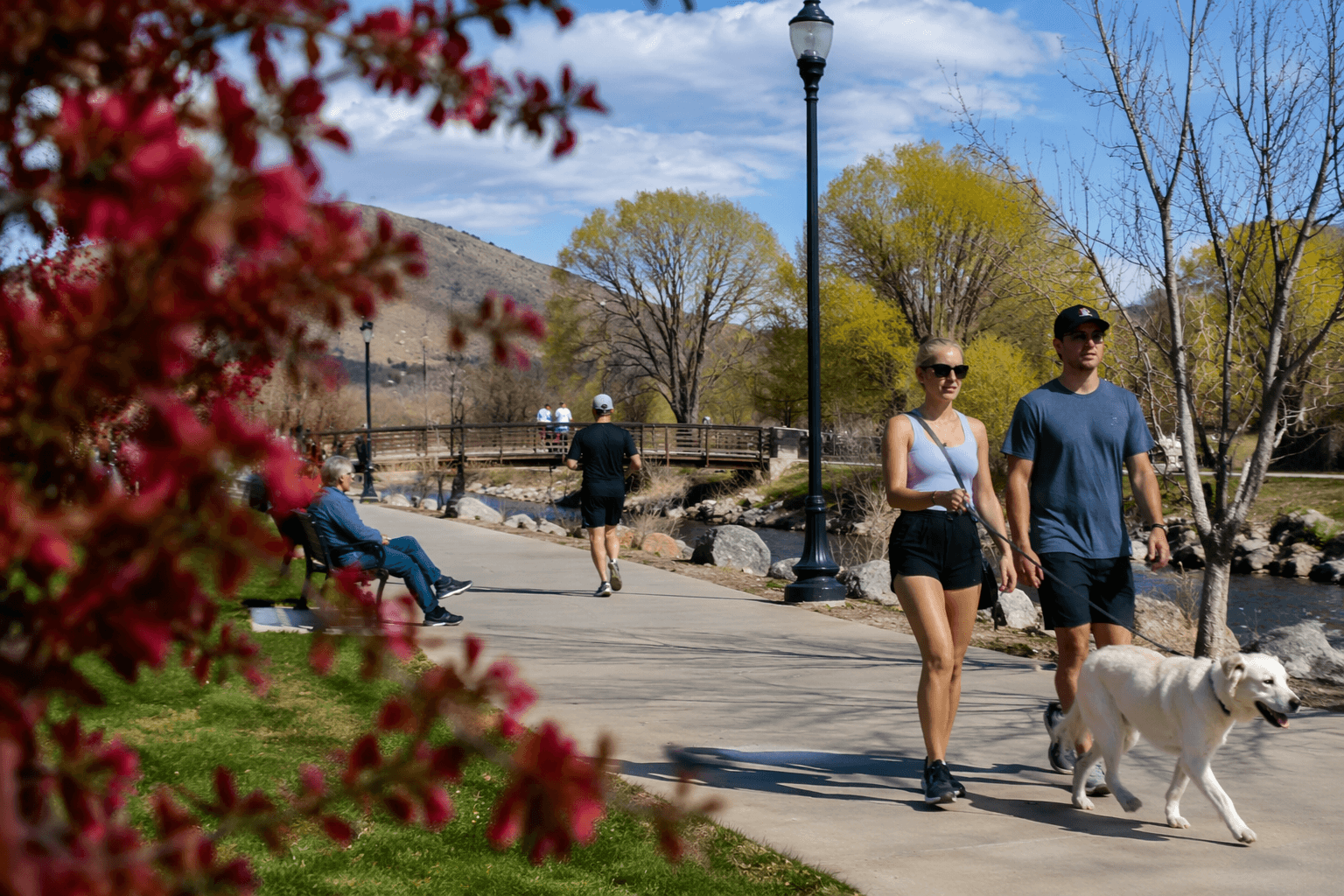
Baker City started the day near 52 degrees under overcast skies with a northwest wind around 10 mph, and the forecast pointed toward a sharp warmup that could reach 80 degrees by Friday before easing back into the upper 70s and then the low 60s. That kind of jump can change what gets done outside in Baker County, from planting and irrigation timing to baseball games, track meets, road travel and weekend recreation.
The numbers fit Baker City’s late-May climate, even if the swing feels dramatic. National Oceanic and Atmospheric Administration climate normals use the 1991-2020 period as the current standard baseline, and Baker City’s May average high sits around 70 degrees with overcast or mostly cloudy skies about 51% of the time. The National Weather Service ties Baker City forecasts to Baker Municipal Airport, KBKE, which is the local observation point for the city’s weather reporting.
The bigger concern is what warm, windy stretches can do to already stressed ground. On March 26, 2026, Oregon Gov. Tina Kotek declared drought emergencies for Baker, Deschutes and Umatilla counties, and the executive order said below-normal precipitation and streamflow were likely to continue through summer. Drought.gov says 100% of Baker County’s population is affected by drought. Its county dashboard estimated 57,684 acres of hay, 12,595 acres of wheat, 4,215 acres of haylage, 46,733 cattle and 3,241 sheep were in drought conditions as of May 19, 2026.
That gives the temperature swing real economic weight in a county where agriculture and open land dominate daily life. A warm, breezy day can speed drying on fields and rangeland, affect grazing and field work, and push water use higher just as producers are trying to manage hay, wheat and livestock conditions. It also adds to wildfire readiness as spring turns toward summer and fuels dry out more quickly in hot weather.

OSU Extension Service in Baker County serves livestock, rangeland and forage producers, and its work underscores how closely weather changes are tied to local decisions about planting, grazing and outdoor labor. Baker County faced a drought emergency in 2025 as well, with the declaration coming July 10, 2025, so this spring’s volatility is arriving against a recent stretch of water stress. In Baker County, a cool morning and an 80-degree afternoon are not just a forecast quirk. They are a reminder that late-May weather can alter the week’s plans before it is over.
This article was produced by Prism’s automated news system from verified source data, official records, and press releases, then run through automated quality and moderation checks before publishing. The system is built and supervised by the people who set the standards it runs under. Read our full AI policy.
Did this article answer your question?