Baker Tower Revival, Historic Landmark Shapes Downtown Housing and Tourism
The Baker Tower, a ten story landmark built in 1929, continues to anchor downtown Baker City as owners and preservation advocates pursue phased redevelopment that converts upper floors to lodging and residences. Those efforts matter locally because they can boost downtown housing supply, increase visitor stays and support street level businesses that rely on foot traffic and heritage tourism.

The Baker Tower stands at Main and Auburn as one of Baker City most recognizable buildings and a focal point of ongoing downtown revitalization. Opened in 1929 and built in the commercial style of the era, the ten story structure has long served as a hotel, office block and retail hub. It is frequently described as the tallest occupied building east of the Cascades in Oregon and remains central to the city identity and walking tour routes.
Across the last several decades the building has seen intermittent renovation and redevelopment, with recent years bringing phased projects to convert upper floors into lodging and residential use while restoring street level commercial spaces. Those conversions are presented by local leaders and developers as a way to increase downtown housing options, expand tourism capacity and preserve historic fabric at the same time. The tower anchor role means changes inside its walls ripple outward to galleries, restaurants and the Baker Heritage Museum that sit within easy walking distance.
From an economic perspective the Baker Tower rehabilitation fits broader trends in small city downtown recovery. Adding lodging units brings incremental visitor nights that support local lodging tax receipts and boost weekday and weekend retail sales. New residential units help diversify the housing stock in a downtown where available inventory is limited, and increased downtown population supports steady demand for services and seasonal retail. Redevelopment projects of this type typically rely on combinations of private capital, preservation incentives and local permitting support to be financially viable.
Policy choices will influence outcomes. Local incentives that lower upfront costs for restoration, targeted investments in streetscape and parking, and streamlined approvals for adaptive reuse increase the chance that upper floors become occupied rather than remaining vacant. Conversely, delays in permitting or lack of preservation funding can raise carrying costs and slow investment, with implications for property tax receipts and neighborhood vibrancy.
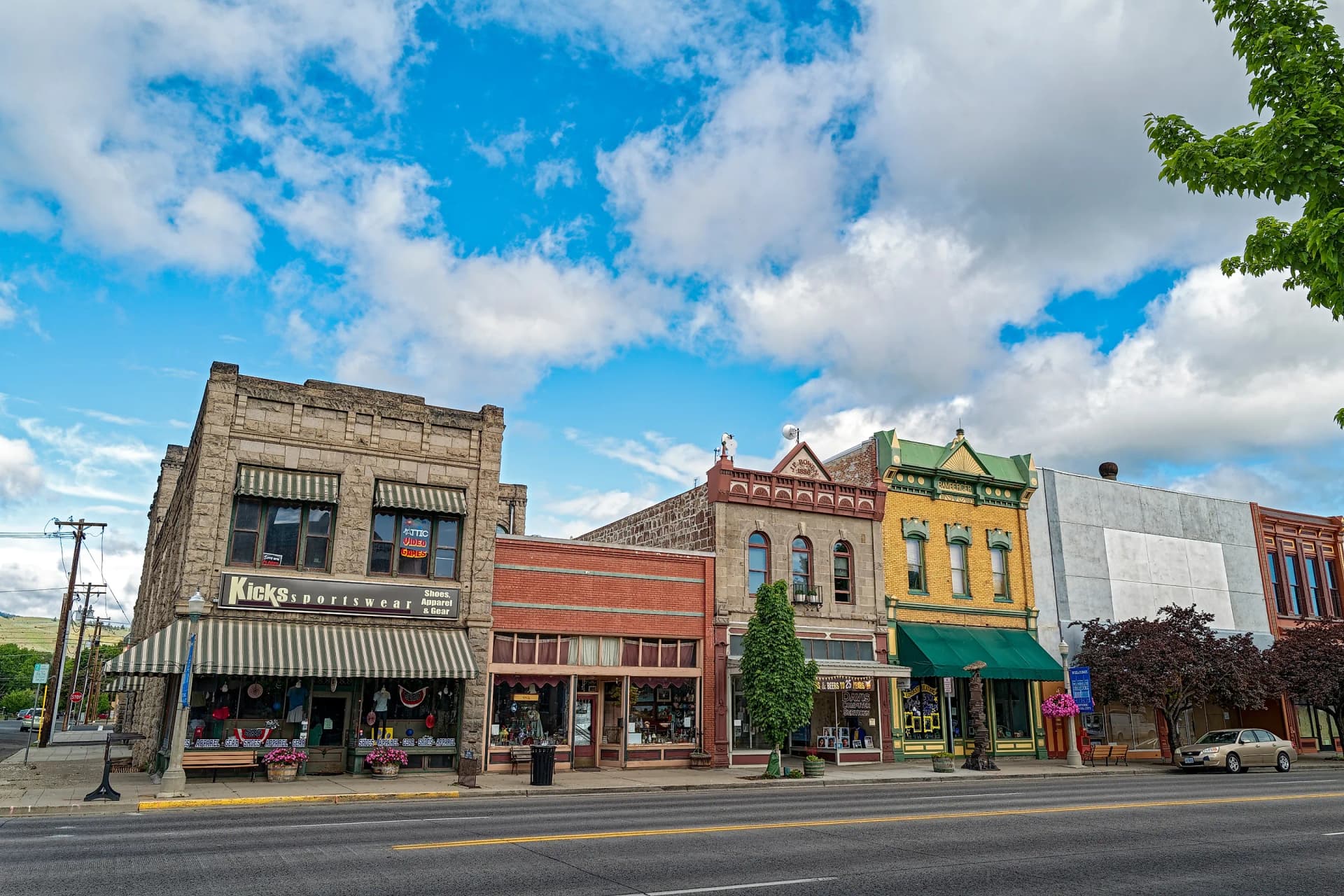
For residents and visitors looking to see the tower, the intersection of Main and Auburn places it within walking distance of downtown shops and cultural sites. Public tours and specific events tied to the building and downtown are posted through Baker City Downtown event listings, and periodic openings provide opportunities to view restoration work and the building interior. The Baker Tower remains both a symbol of Baker City history and a practical lever in efforts to expand housing and attract more visitors to the community.
This article was produced by Prism’s automated news system from verified source data, official records, and press releases, then run through automated quality and moderation checks before publishing. The system is built and supervised by the people who set the standards it runs under. Read our full AI policy.
Did this article answer your question?