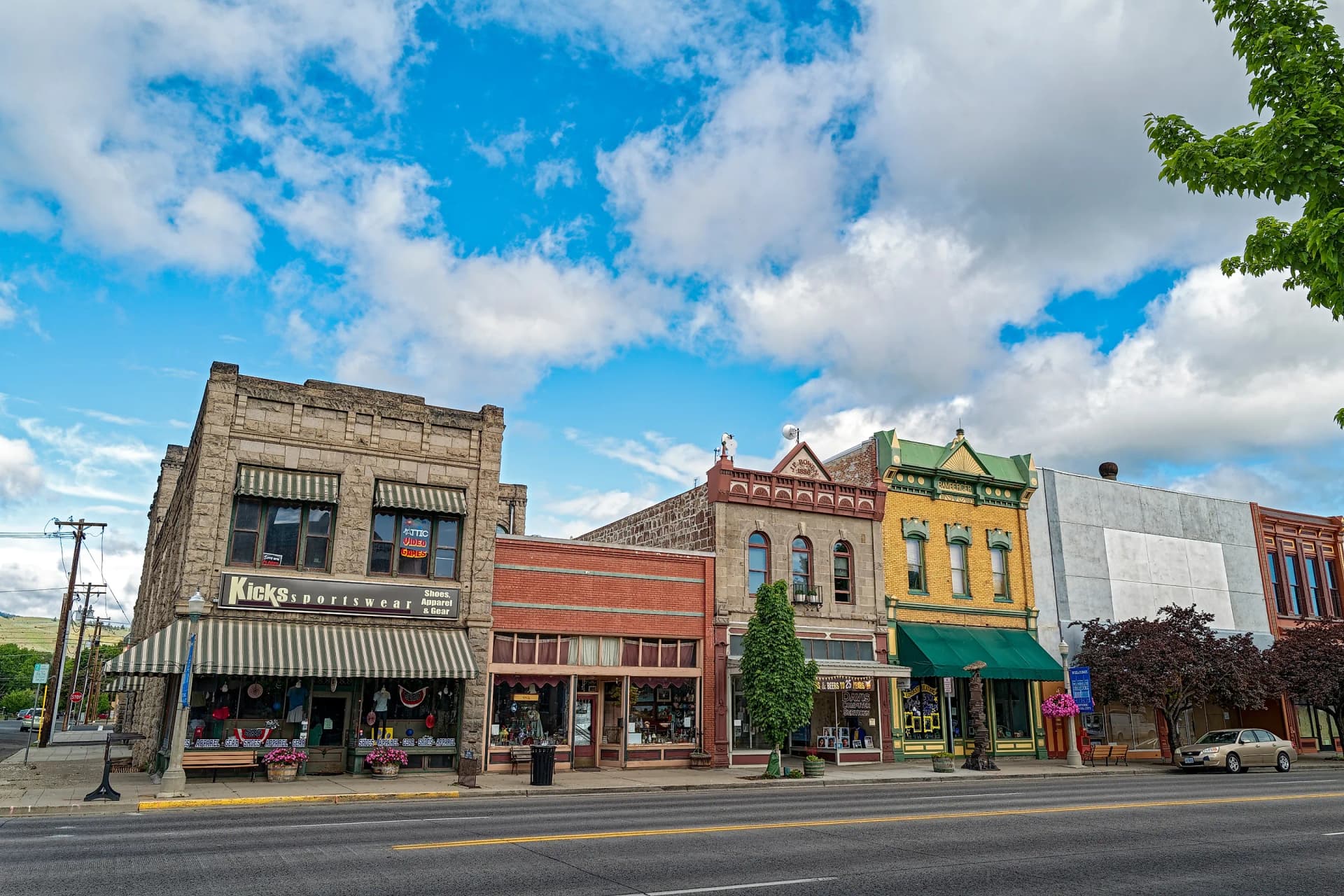
Durkee Cement Plant Expands Capacity, Lowers Carbon Intensity for Region
Ash Grove Cement commissioned a new finish mill at its Durkee plant on December 17, adding 210,000 tons per year of cement capacity without increasing clinker production or CO2 emissions. The upgrade strengthens local supply for construction and infrastructure, supports more than 130 direct jobs and roughly 600 supply chain positions, and advances lower carbon cement offerings for regional markets.
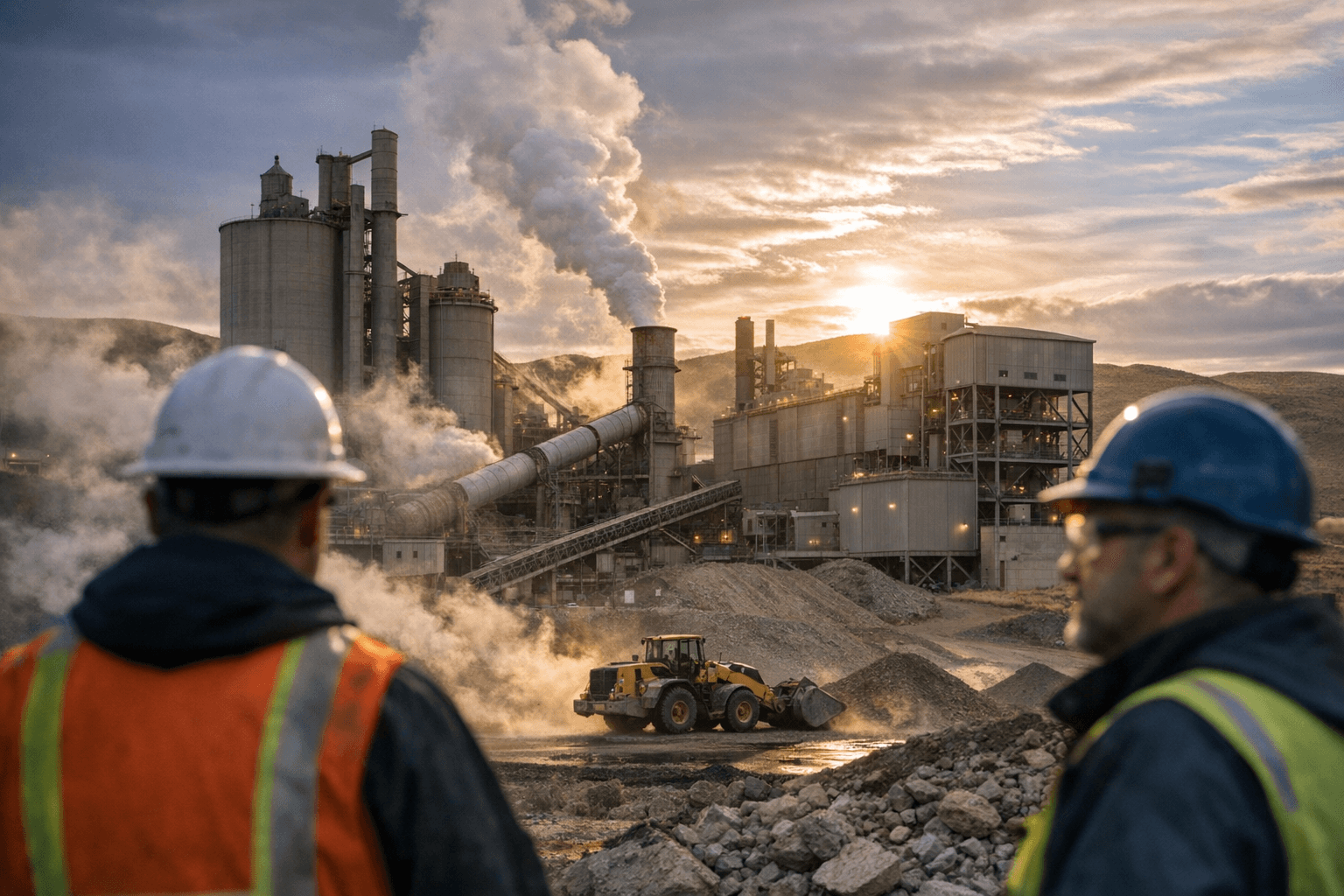
Ash Grove Cement formally commissioned a new finish mill at its Durkee facility on December 17, a milestone celebrated by state and local officials, customers, and employees. The Durkee plant, Oregon's only cement plant and one of the region's longest operating industrial sites, now boosts cement output by 210,000 tons per year while maintaining current clinker production levels and not increasing CO2 emissions. The firm said the gain comes from greater use of limestone and natural pozzolans as clinker substitutes.
The plant has operated since 1979 and was expanded in 1998. It currently produces more than one million tons of clinker annually, employs over 130 people directly, and supports about 600 additional jobs across local supply chains. Company leaders signaled that full operation of the new mill will strengthen the plant's ability to supply high performance, lower carbon blended cements to regional construction and infrastructure projects.
The technical approach behind the expansion matters for markets and emissions. By increasing the proportion of nonclinker materials in final cement, Ash Grove raises finished cement volumes without additional clinker firing, which is the most carbon intensive step in cement production. Securing rights to a natural pozzolan source in Oregon and advancing product development for blended cements reduces reliance on imported supplementary materials and shortens local supply chains.

For Baker County and neighboring communities the change has immediate economic implications. Additional finished cement capacity can ease supply constraints for local contractors working on roads, bridges, and building projects. Greater local availability may moderate price volatility in regional cement markets and increase certainty for project planners, particularly as demand for construction materials fluctuates.
Policy and long term trends point in the same direction. The plant's move toward clinker substitution aligns with broader industry shifts toward blended cements and lower carbon intensity materials. That trajectory can help meet rising demand for lower carbon construction inputs as public agencies and private developers increasingly consider embodied carbon in procurement decisions. Locally, the Durkee plant will remain a central industrial employer and supplier, with the new finish mill reinforcing its role in the regional construction materials economy.
This article was produced by Prism’s automated news system from verified source data, official records, and press releases, then run through automated quality and moderation checks before publishing. The system is built and supervised by the people who set the standards it runs under. Read our full AI policy.
Did this article answer your question?