Fallen tree knocks out power for 919 Baker County customers
A fallen tree cut power to 919 Baker County customers before OTEC crews restored service, highlighting how quickly one line fault can ripple across rural ground.
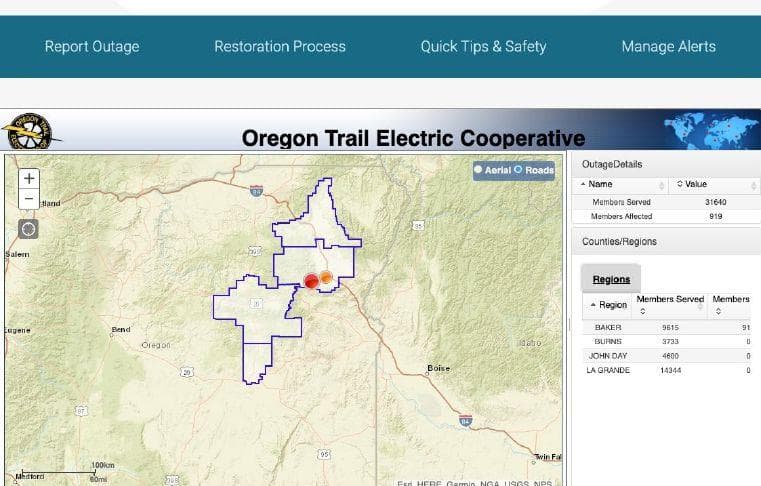
A fallen tree briefly knocked out power to about 919 Baker County customers before Oregon Trail Electric Cooperative crews restored service. The outage was short, but in a county where power lines run through forest, ranchland and wind-prone terrain, one tree was enough to interrupt service for homes and businesses spread across a wide area.
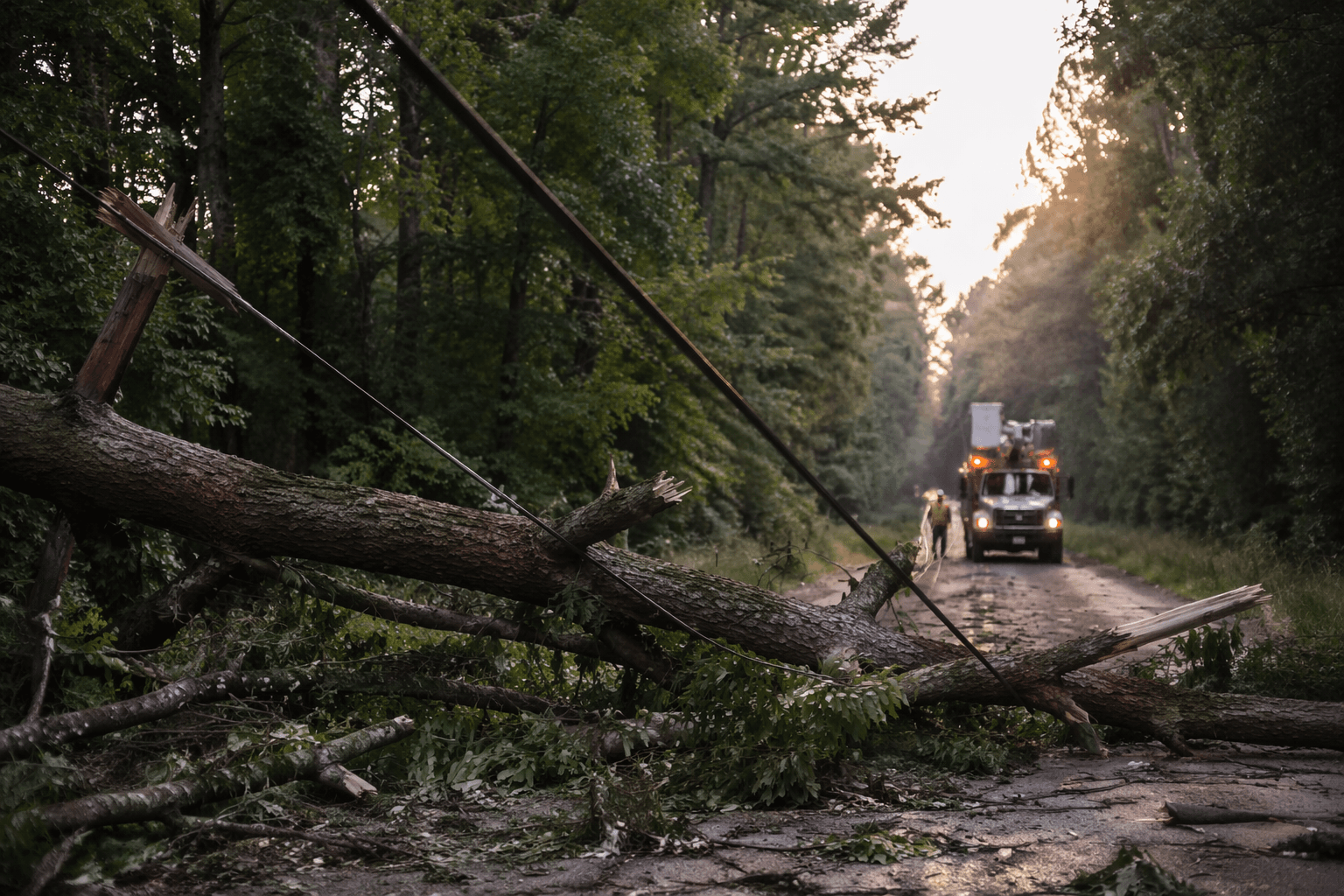
The line fault drew attention because the impact reached far beyond a single neighborhood. In Baker County, even a temporary outage can shut down refrigeration, interrupt internet access, knock out medical devices, and leave farms and ranches without power for water systems and other daily needs. OTEC crews had to find the problem, clear the obstruction and return the line to service, limiting how long customers were left waiting.
OTEC’s outage center directs customers to report problems through its 24-hour hotline, by texting the word outage to 541-406-6980, or through an online account. The cooperative also warns people to stay at least 50 feet away from downed power lines, a reminder that even a brief outage can carry serious safety risks if a tree has brought a line to the ground.
The utility’s reach helps explain why a single tree strike can affect so many people at once. OTEC says it serves Baker, Grant, Harney and Union counties, with more than 3,000 miles of power lines, about 31,000 meters and nearly 60,000 residents. It has more than 23,000 members across the region, and its headquarters are in Baker City, with district offices in La Grande, John Day and Burns.
The outage also fits a pattern eastern Oregon readers know well. In 2021, a Quartz substation problem caused a widespread outage that affected all of Baker Valley, and in 2016, gale-force winds raised the risk of trouble for OTEC lines in Baker County. Those incidents underscore the same vulnerability: long rural transmission and distribution lines are exposed to weather, trees and other hazards that can leave large numbers of customers in the dark.
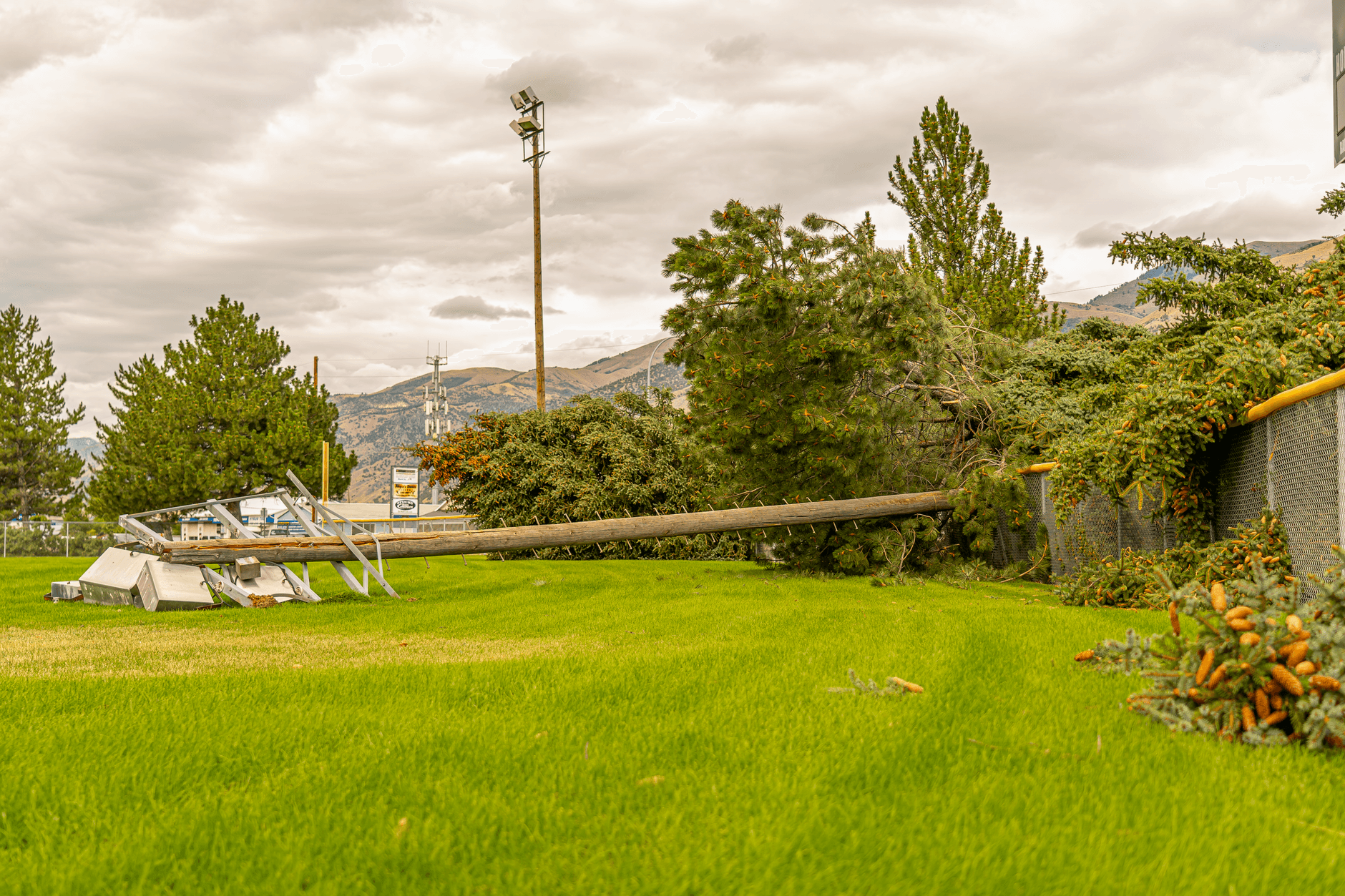
OTEC’s response in this case was quick, but the broader lesson is familiar. Vegetation management, line maintenance and faster restoration remain the best defenses against repeat disruptions, especially in a county where trees and weather can collide with power infrastructure without warning.
This article was produced by Prism’s automated news system from verified source data, official records, and press releases, then run through automated quality and moderation checks before publishing. The system is built and supervised by the people who set the standards it runs under. Read our full AI policy.
Know something we missed? Have a correction or additional information?
Submit a Tip

