Health Advisories Lifted for Two Reservoirs, Pet Owners Still Warned
The Oregon Health Authority lifted recreational use health advisories on December 24 for Prineville Reservoir in Crook County and for Thief Valley Reservoir which spans Baker and Union counties. OHA monitoring found cyanotoxin levels below guideline values for people at both lakes, but Thief Valley still exceeded the agency educational guideline for dogs so pet owners should keep animals away from affected areas.
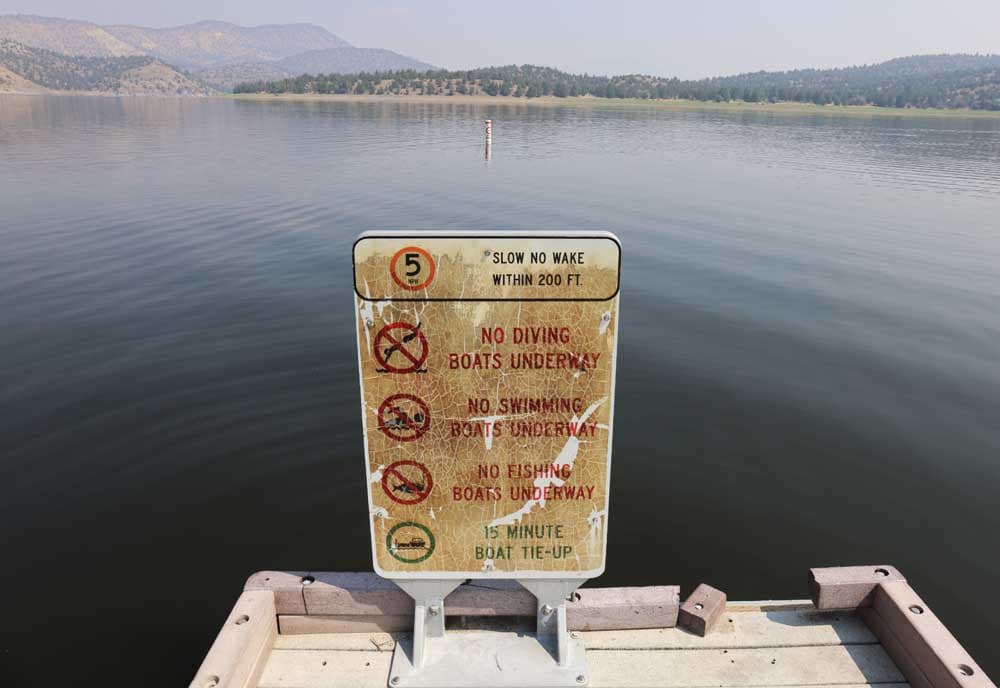
The Oregon Health Authority announced on December 24 that recreational use health advisories were lifted for Prineville Reservoir in Crook County and for Thief Valley Reservoir which spans Baker and Union counties. State testing showed cyanotoxin concentrations at both reservoirs fell below OHA guideline values established to protect people, allowing resumption of recreational activities in most areas. However, the advisory noted that Thief Valley still had toxin levels above the agency educational guideline for dogs, and owners are advised to keep animals away from affected areas.
Cyanobacterial blooms can produce toxins that pose health risks to swimmers, boaters, and pets, which is why OHA conducts regular monitoring at popular water bodies. The advisory reiterated plain language guidance for spotting suspect water. Residents were told to avoid water that looks scummy, that appears pea green or blue green, that is foamy, or that contains bright mats or clumps. People should avoid swallowing water or creating aerosols near suspect water, and they should keep children and pets away from areas that show those signs.
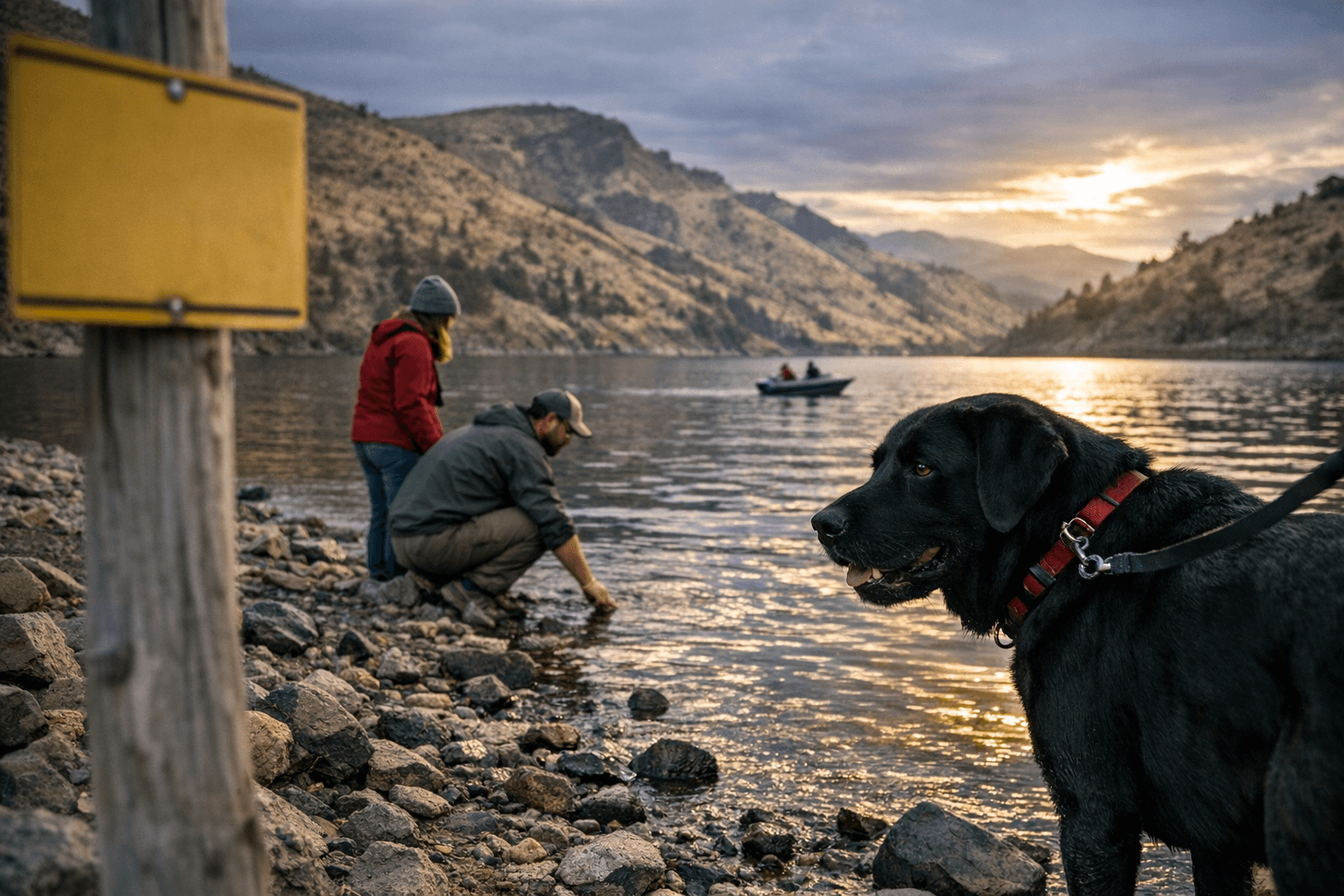
For Baker County residents, the development means Thief Valley Reservoir is no longer under a people centered advisory but remains a concern for dog owners who take their animals to shorelines or for water retrieval. Pet owners should be vigilant along the parts of Thief Valley that border Baker County, and they should prevent dogs from drinking, swimming, or rolling in suspect water until toxin levels fall below the educational guideline for animals.
The lifted advisories may ease concerns for anglers, boaters and families planning outdoor time over the holidays, but the mixed results underscore the need for continued monitoring and cautious behavior near standing water. Local residents should continue to visually inspect water before entering, keep children and pets away from suspicious areas, and follow future OHA sampling updates to know when conditions have fully returned to normal for both people and animals.
This article was produced by Prism’s automated news system from verified source data, official records, and press releases, then run through automated quality and moderation checks before publishing. The system is built and supervised by the people who set the standards it runs under. Read our full AI policy.
Did this article answer your question?


