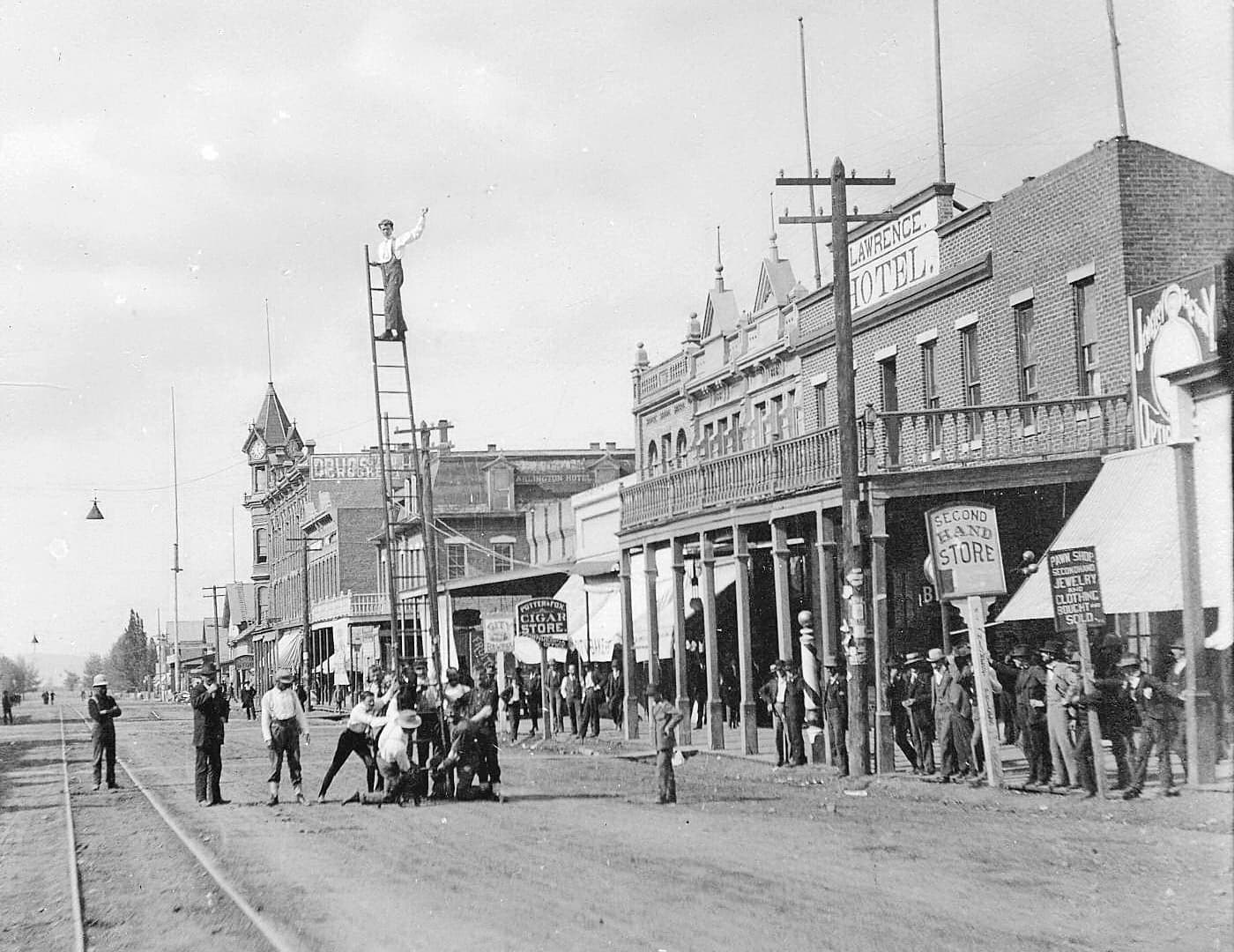
House Passes Wolf Delisting Bill, Returns Management to States
The U.S. House approved H.R. 845, the Pet and Livestock Protection Act, on December 18 by a 211 to 204 vote and sent the measure to the Senate. The bill would remove federal endangered species protections for gray wolves across the Lower 48 and return primary management authority to states, a change with direct consequences for ranching, wildlife management, and conservation efforts in Baker County and across Oregon.
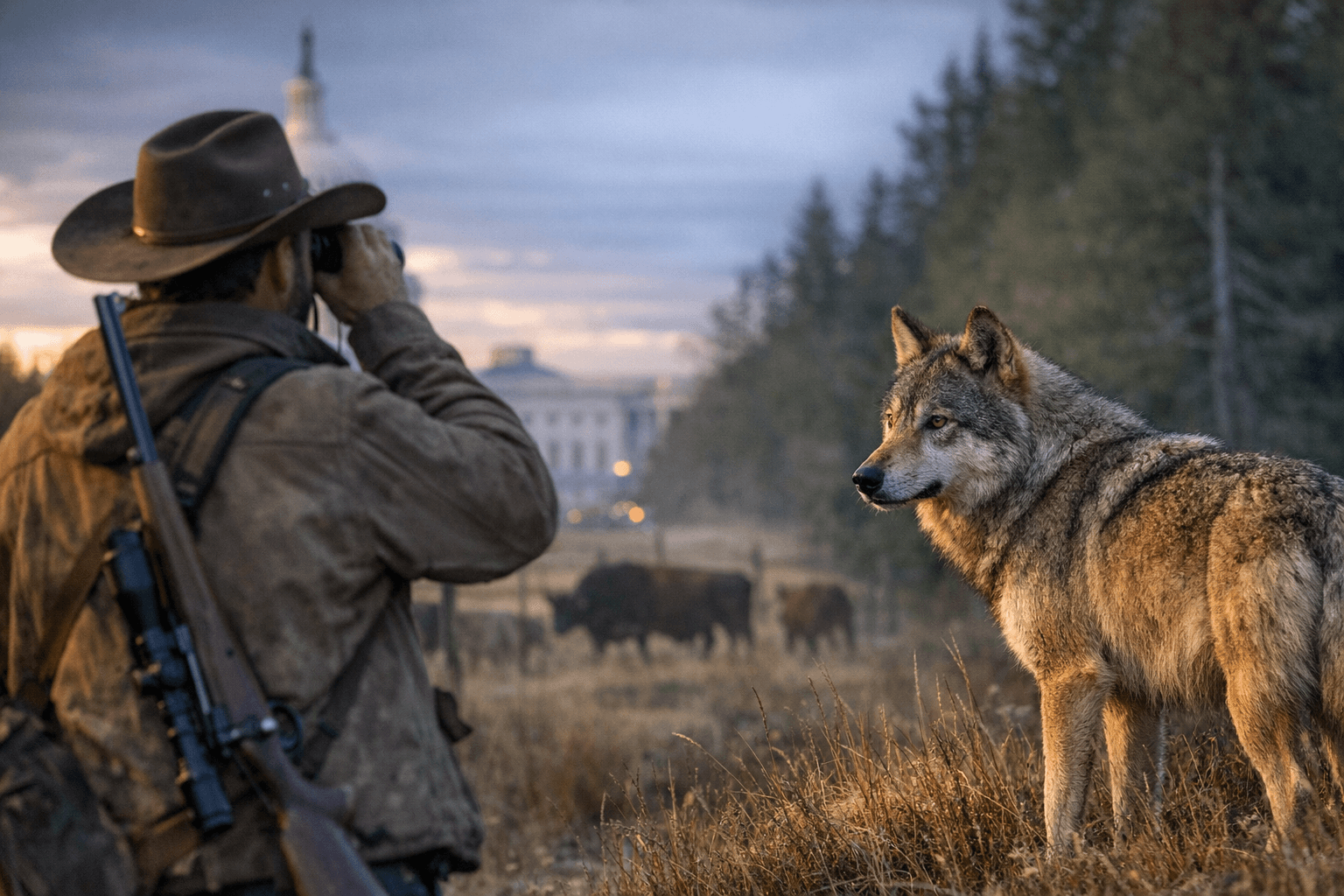
On December 18 the House of Representatives passed H.R. 845, known as the Pet and Livestock Protection Act, by a vote of 211 to 204 and transmitted the bill to the Senate. The legislation would remove federal endangered species protections for gray wolves throughout the Lower 48 and restore primary management authority to individual states. The bill also explicitly would expand delisting to include California and the western two thirds of Oregon and Washington. "H.R. 845 ... passed 211-204 on Thursday, Dec. 18. The bill now goes to the Senate."
Supporters framed the vote as relief for livestock producers and rural communities suffering predator losses. Representative Cliff Bentz of Oregon used photographs of livestock killed by wolves on the House floor to press for delisting and for state control of management decisions. Rural advocacy groups and several ranching organizations welcomed the move as a policy victory that would give states more latitude in responding to wolf depredation.
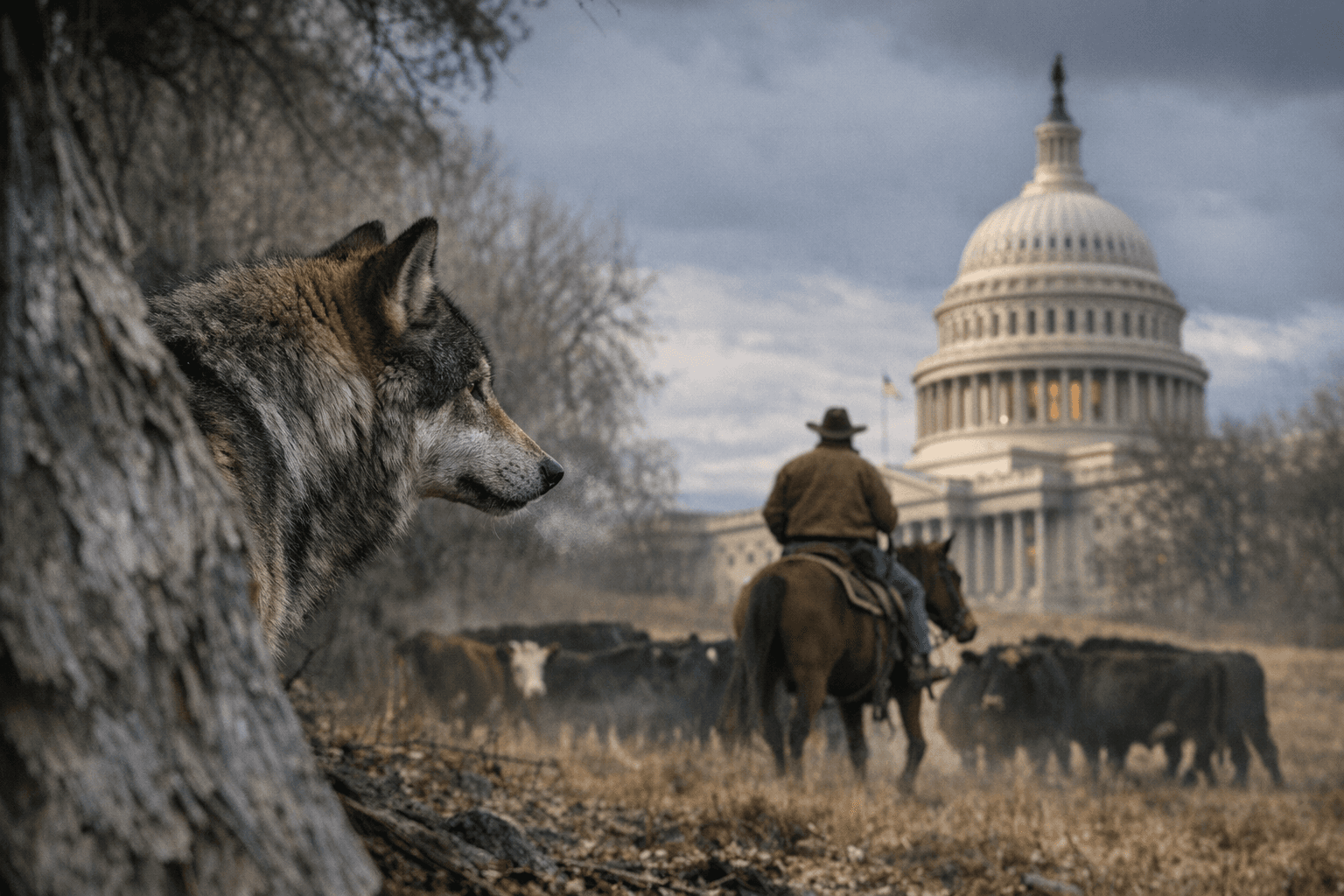
Opponents argued the measure places politics over science and risks undoing decades of recovery work. Representative Val Hoyle of Oregon led the opposition in the House, warning that removing federal oversight could invite over harvest and reverse population gains. Environmental and wildlife advocacy groups said federal protections provide essential safeguards for monitoring populations and coordinating recovery across state lines.
The vote comes against a backdrop of legal and administrative uncertainty. The federal government delisted wolves in parts of the West in 2020, but a 2022 federal court ruling questioned aspects of that broader action. The Biden administration appealed the ruling and that appeal remains pending, creating overlapping legal pathways that could shape how any congressional change is implemented.
For Baker County residents the immediate impact will depend on geography and subsequent state actions. Because the bill would extend delisting to the western two thirds of Oregon, counties in eastern Oregon, including Baker County, may remain under federal protections unless further changes occur. Returning authority to states could alter rules on lethal control, hunting seasons, and monitoring practices, and it could shift how compensation or prevention programs are administered. Local officials, livestock owners, and conservation groups will be watching the Senate and state wildlife agencies closely as the debate moves forward.
This article was produced by Prism’s automated news system from verified source data, official records, and press releases, then run through automated quality and moderation checks before publishing. The system is built and supervised by the people who set the standards it runs under. Read our full AI policy.
Did this article answer your question?