How to Engage Baker County Government: Contacts, Meetings, Services
This guide explains where to find key Baker County government contacts, how to follow meetings and public hearings, and how to access essential county services. You will learn practical steps for participating in commission meetings, registering land-use appeals, contacting public safety, and locating program schedules and official notices.
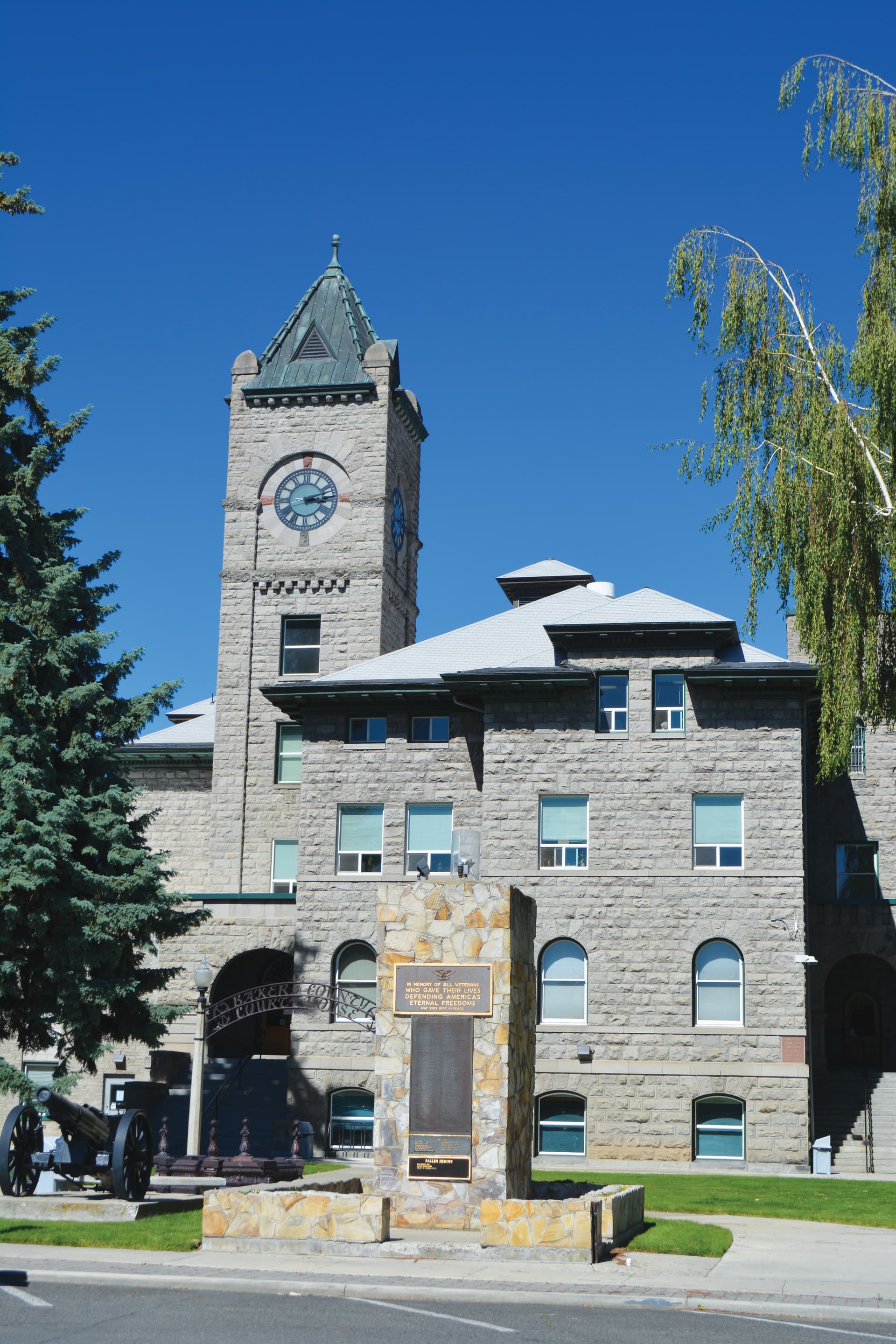
1. Baker County Courthouse and General Contact Information
The primary entry point for county services is the Baker County Courthouse at 1995 Third St., Baker City. For general information, to request accommodations for meetings or services, or to be directed to specific departments, call the main line at (541) 523-8200. The courthouse also posts printed notices and public information; visiting in person can be useful when online records are incomplete or you need forms immediately.
2. Board of Commissioners: Meetings, Agendas, and Public Comment
The Board of Commissioners holds regular sessions with agendas and minutes posted on the Baker County website; meetings typically include public comment periods to allow resident input. Agendas and minutes are authoritative records that outline topics under consideration and provide the meeting schedule; review them in advance to prepare remarks, evidence, or written comments. Residents may attend commission meetings in person or join via published Zoom/web links when available, and should check the agenda for instructions on how to participate remotely.
3. Sheriff’s Office and Public Safety Communications
The Baker County Sheriff’s Office is responsible for law enforcement in unincorporated areas and coordinates with municipal police departments on cross-jurisdictional issues. Non-emergency inquiries, press releases, and animal control updates are released through the sheriff’s office channels; follow those channels for routine advisories and status updates. For immediate threats or crimes in progress, call 911; for non-urgent matters, use the sheriff’s published contact points to avoid tying up emergency lines.
4. Planning, Permitting, and Land Use Procedures
The county planning department handles land-use hearings, comprehensive plan amendments, and appeals, serving as the formal gateway for development decisions and zoning changes. Applications, hearing schedules, and public comment processes are posted with clear deadlines; these postings explain submission requirements, hearing dates, and how to file testimony or exhibits. Contact the planning office directly to obtain filing requirements and forms, timing and documentation are critical because missed deadlines can forfeit the right to speak or appeal.
5. Veteran Services, Public Health, and Community Programs
Baker County runs or coordinates programs for veterans, public health, senior services, and social-service referrals; many of these publish monthly schedules such as veteran service updates and senior center menus. These schedules, along with grant opportunity notices, are important for residents seeking benefits, volunteer opportunities, or funding information for community groups. Check program-specific postings and the county website regularly, and contact program staff if you need assistance enrolling or verifying eligibility.
6. How to Watch, Participate, and Submit Public Comment
Commission agendas specify how the public can attend meetings and how to speak during public comment periods; follow those instructions exactly to ensure your participation is recorded. When attending in person, arrive early and bring any written materials; when participating via Zoom or web links, test your connection and follow meeting procedures for speaking and submitting documents. • Tip: Prepare a concise statement, most public comment periods have time limits, and submit written comments to the board clerk if you want a permanent record.
7. Getting an Item Added to the Agenda
To add an item to a commission agenda, contact the county administrator or the board clerk well ahead of the meeting date and review any required forms or submission guidelines. Agenda placement typically requires completed forms, supporting documents, and adherence to advance-notice deadlines; preparing these materials in advance increases the likelihood an item will be scheduled. Understand that agenda-setting is an administrative process governed by county rules, so follow guidance from the administrator or clerk to avoid procedural delays.
8. Where to Find Official Updates, Notices, and Ordinances
The county’s official website and the printed notices posted at the courthouse are the authoritative sources for meeting dates, public hearings, ordinances, and active public safety advisories. Rely on those primary sources rather than secondary social media accounts for legal deadlines and formal notices, because official postings determine hearing rights and compliance timelines. For urgent public-safety information, prioritize sheriff’s office advisories and emergency communications; for policy or ordinance changes, review the posted minutes or published versions of ordinances to confirm text and effective dates.
9. Local Impact and Why Participation Matters
County processes shape land use, public safety priorities, service delivery, and funding decisions that directly affect daily life and property values; engaging early and consistently gives residents a stronger voice in outcomes. Transparent agenda posting, accessible meetings, and clear filing procedures make it possible to hold officials accountable and influence policy before decisions are finalized. Regular participation, watching meetings, submitting comments, and using official contact channels, strengthens civic engagement and ensures institutional decisions reflect community priorities.
10. Practical Next Steps for Residents
Identify the specific department you need, courthouse main line (541) 523-8200 is the starting point, and bookmark the county website and the courthouse notice board for updates. Review upcoming commission agendas weekly, contact the planning office before submitting applications, and follow sheriff’s channels for non-emergency updates while reserving 911 for real emergencies. Taking these steps will help you navigate county processes efficiently and participate effectively in local governance.
This article was produced by Prism’s automated news system from verified source data, official records, and press releases, then run through automated quality and moderation checks before publishing. The system is built and supervised by the people who set the standards it runs under. Read our full AI policy.
Did this article answer your question?