Local Nonprofit Pauses Downtown Affordable Housing Remodel Plans
Step Forward of Baker City announced on Jan. 1, 2026 that it has paused plans to convert a downtown commercial building into affordable apartments after contractor bids exceeded the nonprofit's budget. The pause highlights rising construction costs and leaves a delay in new housing for residents who rely on affordable options and linked health and economic stability.
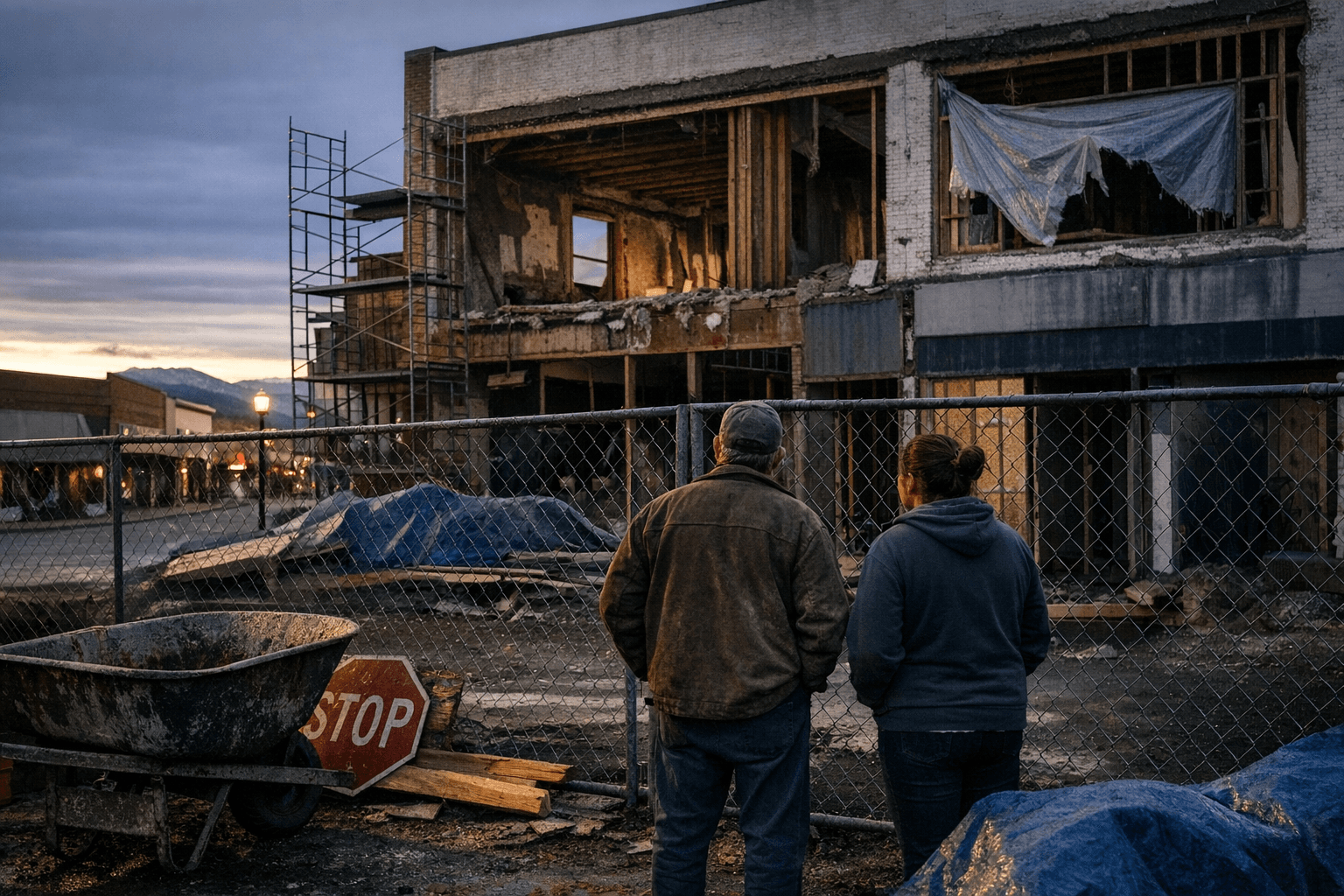
Step Forward of Baker City halted immediate plans to remodel a downtown commercial building into affordable housing after contractor estimates came in significantly higher than the organization had budgeted. The decision, announced Jan. 1, 2026, followed a period in which the nonprofit had secured a target scope and funding plan for converting the space into apartments intended to address local housing needs.
Project leaders said construction inflation and higher-than-expected bid prices pushed estimated costs beyond available funds. Rather than proceed and risk incomplete work or running out of financing, the nonprofit shelved the current project timeline while it explores alternatives. Those options include seeking additional grant money, re-bidding the work in hopes of lower proposals, and revising plans to reduce costs or complete the project in phases.
For Baker County residents, the pause is more than a construction delay. Affordable housing projects in small, rural communities serve as a foundation for health, economic opportunity, and social equity. Stable housing reduces stress, improves management of chronic conditions, and supports caregiving and workforce retention, benefits that ripple through families, employers, health clinics, and schools. A postponed project means postponed relief for households on waiting lists and for those struggling with high rents or unstable living arrangements.
The challenges faced by Step Forward reflect broader pressures on nonprofit housing development nationwide, where rising material and labor costs have outpaced many grant and loan programs designed for affordable housing. In rural communities like Baker County, limited local funding and smaller project scales can make it harder to absorb cost increases, and fewer competitive contractors can drive bid prices upward.
Local policymakers and funders will face decisions about whether to prioritize additional support for the paused project, adjust grant parameters to better reflect current construction markets, or encourage phased approaches that deliver some units sooner. Advocates say adapting financing and procurement strategies can help preserve the viability of small-scale affordable developments that serve vulnerable residents.
Step Forward plans to continue community outreach as it pursues next steps, and it intends to keep partners and neighbors informed as options are evaluated. The pause underscores a continuing need for coordinated attention from local government, philanthropic partners, and state programs to ensure affordable housing projects can withstand market volatility and deliver the health and social benefits Baker County residents depend on.
This article was produced by Prism’s automated news system from verified source data, official records, and press releases, then run through automated quality and moderation checks before publishing. The system is built and supervised by the people who set the standards it runs under. Read our full AI policy.
Did this article answer your question?