Motorized AIARE Level 2 Avalanche Course Jan. 24-25 in Halfway
A motorized AIARE Level 2 avalanche course took place in Halfway, giving local riders advanced rescue and navigation training to reduce backcountry risk.
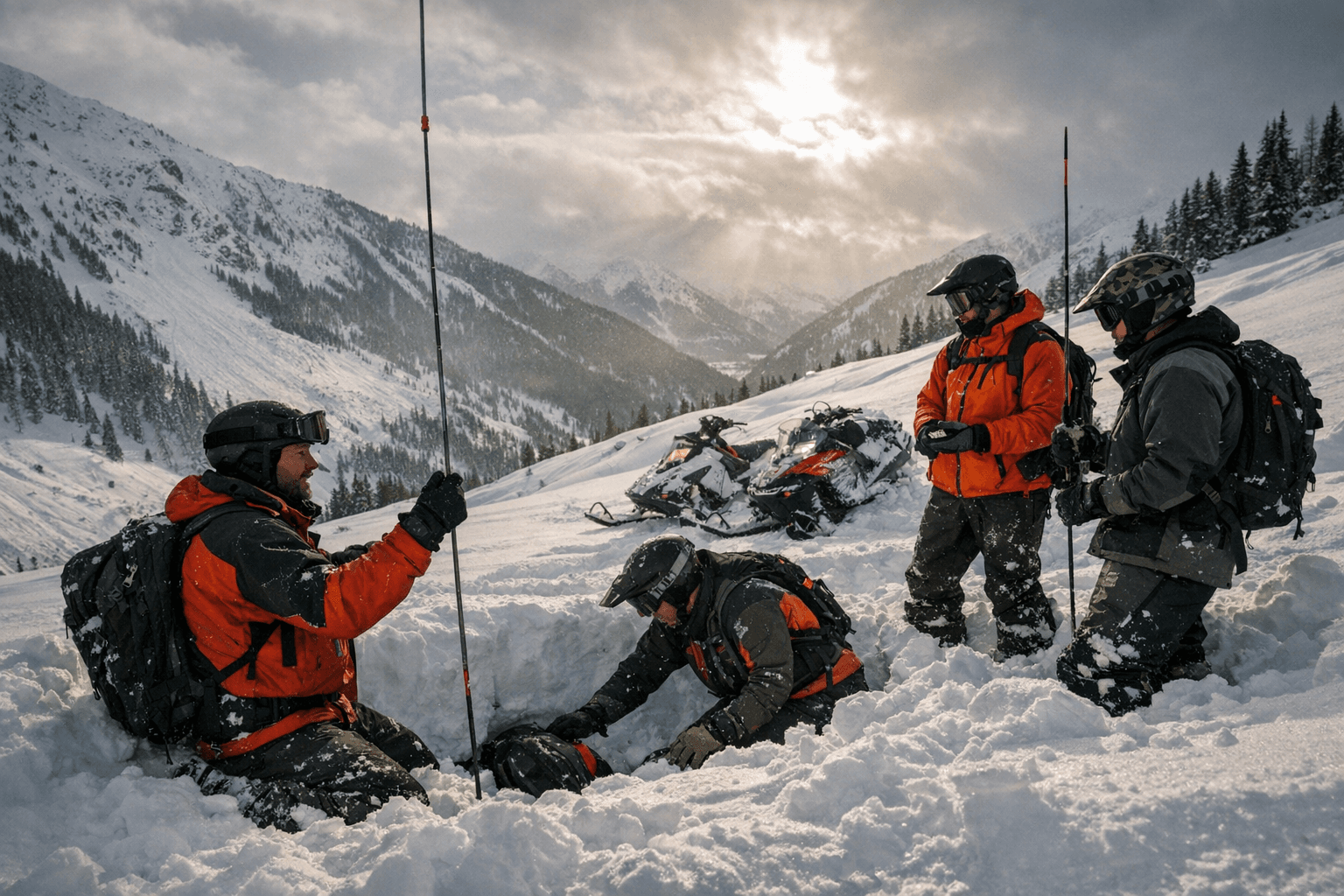
A two-day motorized AIARE Level 2 avalanche course was held in and around Halfway on Jan. 24-25, delivering advanced backcountry avalanche education to snowmobile and snow bike riders. The hybrid course combined about eight hours of required online pre-course learning, a Zoom review session, and two field training days that focused on decision-making, rescue skills, and motorized travel in avalanche terrain.
The course followed AIARE curriculum under an AIARE certified Course Leader and instructors and maintained a maximum student-to-instructor ratio of 6:1. Each participant received an AIARE student manual and field book, and successful students earned an AIARE Level 2 certificate. Organizers recommended trip insurance and set the registration fee at $525.
Specific equipment and experience standards framed the training. Students were required to bring a reliable snowmobile or snow bike suitable for mountain riding, a digital avalanche transceiver, shovel, probe, DOT-approved helmet, and a backpack with an airbag if available. Riders needed the ability to operate off-trail in varied terrain and deep snow and to carry an Oregon Snopark pass while traveling. These prerequisites reflected the course’s focus on riders who plan to travel in avalanche-prone backcountry on motorized platforms.
Local public health and emergency response implications underpinned why the training mattered. Instructing riders in companion rescue, terrain assessment, and group management aims to reduce the frequency and severity of avalanche incidents that strain Baker County’s emergency medical services and volunteer search-and-rescue teams. Better-trained backcountry users can lower response costs and improve survival odds when incidents occur, which has direct consequences for community wellness and local healthcare resources during the winter season.
The course’s cost and equipment requirements also raise equity questions for rural residents. The $525 fee, mandatory Snopark pass, and need for specialized gear may be barriers for lower-income riders, seasonal workers, and younger residents. Community leaders and land managers may consider whether additional subsidies, equipment loan programs, or locally sponsored training slots could broaden access to life-saving skills.
Registration and payment details were provided through the course listing, with payment by credit card online or arrangements to pay by check via email at rex@wallowaavalanchecenter.org. Cancellations made within 30 days of the course were nonrefundable; cancellations before 30 days qualified for a refund minus a $50 fee.
For Baker County residents who recreate in the backcountry, the Halfway course is part of a practical push to pair recreation with responsibility. Verify your gear, confirm skills, and consider formal avalanche education as the winter continues; local training like this aims to keep riders safer and reduce pressure on local emergency systems.
This article was produced by Prism’s automated news system from verified source data, official records, and press releases, then run through automated quality and moderation checks before publishing. The system is built and supervised by the people who set the standards it runs under. Read our full AI policy.
Did this article answer your question?


