Opinion: Oppose Rescinding Roadless Rule on Nat'l Forests
Roadless Rule repeal could open Wallowa-Whitman terrain to road building and logging. A USDA final decision is expected by late 2026, despite 99% of commenters saying no.
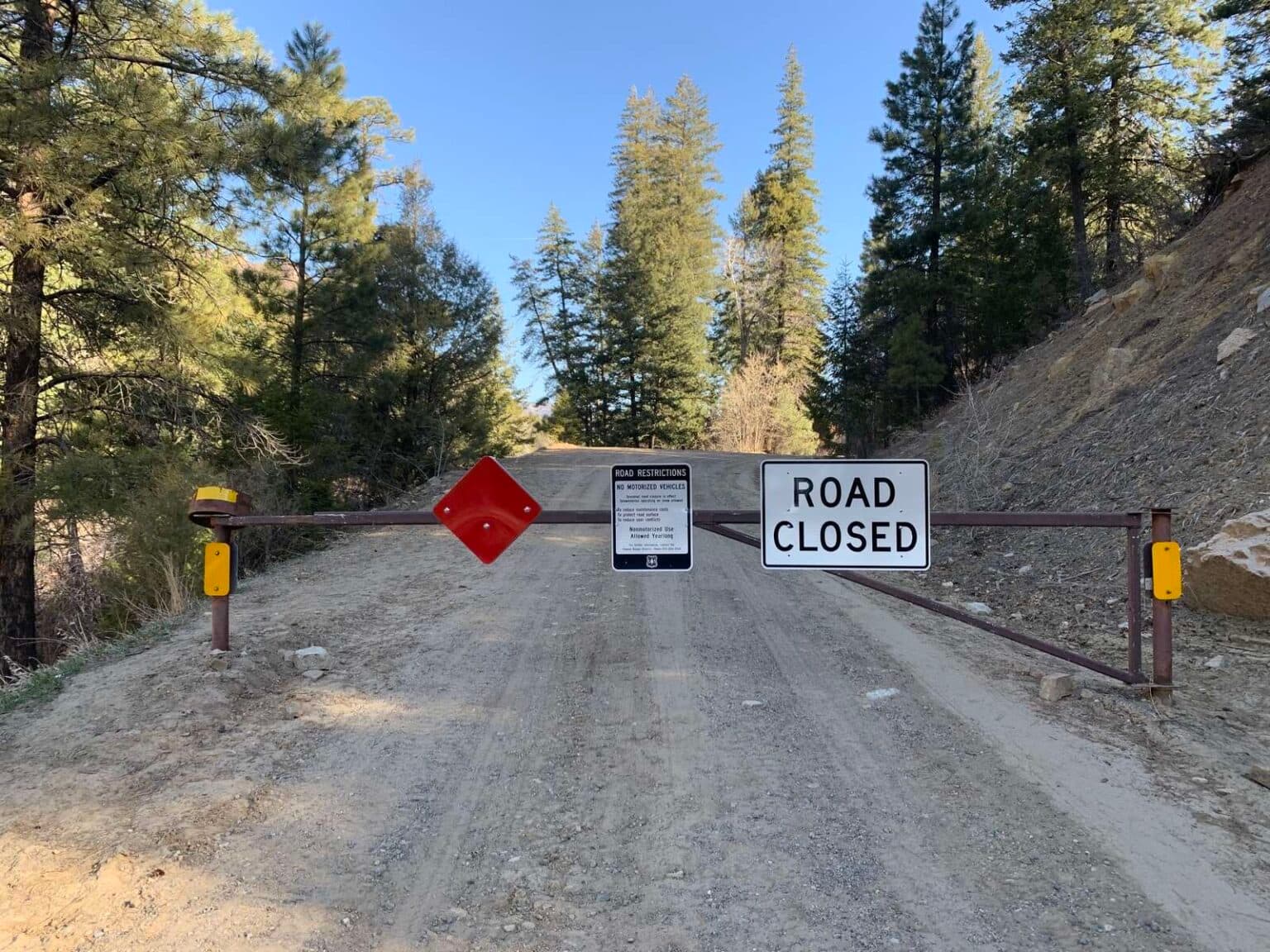
During a brief public comment period on the Trump administration's move to rescind the 2001 Roadless Area Conservation Rule, 99% of respondents opposed the idea. That near-unanimous response did not stop the process. A draft Environmental Impact Statement was targeted for March 2026, with a final USDA decision expected before the year is out. For Baker County, where the Wallowa-Whitman National Forest's 2.4 million acres anchor the local public-lands economy, the outcome is not abstract.
The debate deserves a plainspoken accounting of what the Roadless Rule actually does, because the conversation too often slides into generic public-lands ideology. The rule restricts new road construction and road reconstruction in inventoried roadless areas, or IRAs. It does not prohibit thinning, prescribed fire, or hand-crew treatments to reduce fuel loads. What it blocks is commercial-scale logging that requires new road infrastructure: the heavy equipment and road-building that timber operations depend on for extraction.
Critics of the rule, including the American Forest Resource Council, argue that restriction goes too far. Their case, stated plainly in public materials, is that the rule hinders wildfire management, restricts access to timber, and complicates active forest management decisions that should rest with local Forest Service officials rather than a national policy written in Washington in 2001. In a severe fire year, they contend, the inability to push mechanical fuel breaks deeper into roadless terrain costs ground and potentially lives.
Opponents of rescission counter that the rule already permits the treatments most relevant to actual fire suppression. Dave Mertz, a retired U.S. Forest Service Natural Resources Staff Officer who served at the Black Hills National Forest, put the argument in terms of institutional experience: "I believe this is short-sighted and does not consider the future impacts on these areas. Opening these special areas up to road construction and timber harvesting, it will fundamentally change these areas for the worse. Not everywhere needs to be opened up to large-scale forest management. Roadless areas provide invaluable ecological benefits."
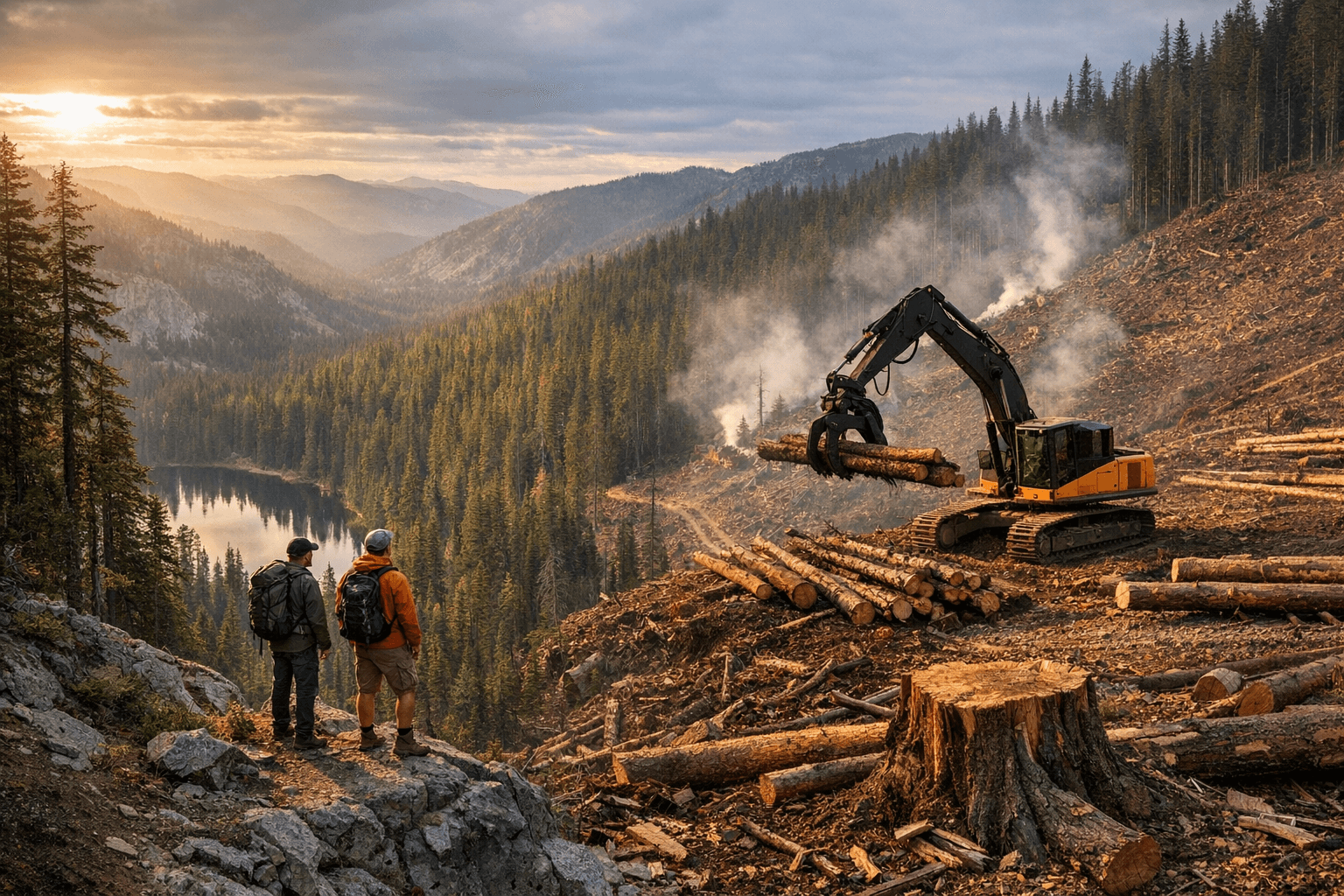
On the economic question, ecologist and author George Wuerthner argued that "abolishing protection from logging and roading provided by the Roadless Rules has major economic consequences, both in direct costs and in avoided costs." In Baker County, those avoided costs include watershed integrity feeding irrigation and livestock operations, and the hunting and backcountry recreation economy that draws visitors to the Wallowa-Whitman's undeveloped terrain year-round.
The public record on this is unusually clear. A Susquehanna Poll released in February found 72% of respondents oppose repeal. Opposition crossed every political line measured: 71% of Republicans, 73% of Democrats and independents, and 71% of Trump voters. "It's a big decision, and one that shouldn't happen quickly if done responsibly," said Gendzier, who urged submission of comments opposing any rescission proposal and direct contact with elected officials. "That is not the kind of stability and rational policy decisions that our public lands need and deserve."
For Baker County timber operators who believe roadless restrictions prevent practical management, the rescission offer is real and the frustration is legitimate. But roads built into IRAs are not reversible on any meaningful timescale, and the management flexibility being sought in those areas does not require obliterating the rule that has kept them intact for 24 years. The Wallowa-Whitman's roadless character is what makes it economically valuable, ecologically functional, and worth fighting fire to protect in the first place.
This article was produced by Prism’s automated news system from verified source data, official records, and press releases, then run through automated quality and moderation checks before publishing. The system is built and supervised by the people who set the standards it runs under. Read our full AI policy.
Did this article answer your question?