Oregon Department of Forestry Awards $750,000 for Wallowa-Whitman Forest Restoration
Oregon's $750,000 Unity Point grant puts Baker County's most fire-vulnerable Wallowa-Whitman terrain on a direct path toward thinning and prescribed fire, with environmental review targeted for completion within a year.
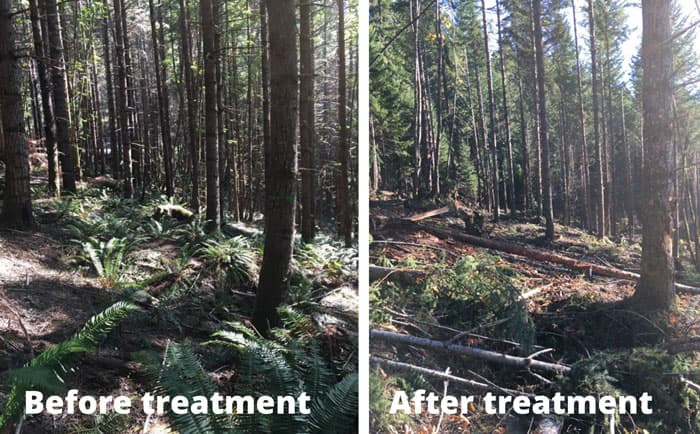
The Wallowa-Whitman National Forest's Unity Point area, where ODF records document "dense, relatively homogeneous moist mixed-conifer stands" and "high wildfire hazard potential" built up through decades of fire suppression, received a $750,000 planning grant from the Oregon Department of Forestry on March 27, clearing the first major hurdle toward ground-level fuels treatment in Baker County's most fire-stressed terrain.
The award is part of a $3 million "A to Z" planning assistance program for the 2025-27 biennium, ODF's structured effort to move landscape-scale restoration projects from proposal to implementation-ready. The $750,000 goes specifically toward completing core environmental analyses and an Environmental Assessment required before any thinning, burning, or watershed work can begin. ODF reviewers set a one-year EA expectation as the schedule benchmark, a timeline designed to accelerate a process that the Wallowa-Whitman has struggled to staff internally: the agency's review explicitly cited NEPA planning capacity as "a documented constraint" on the forest.
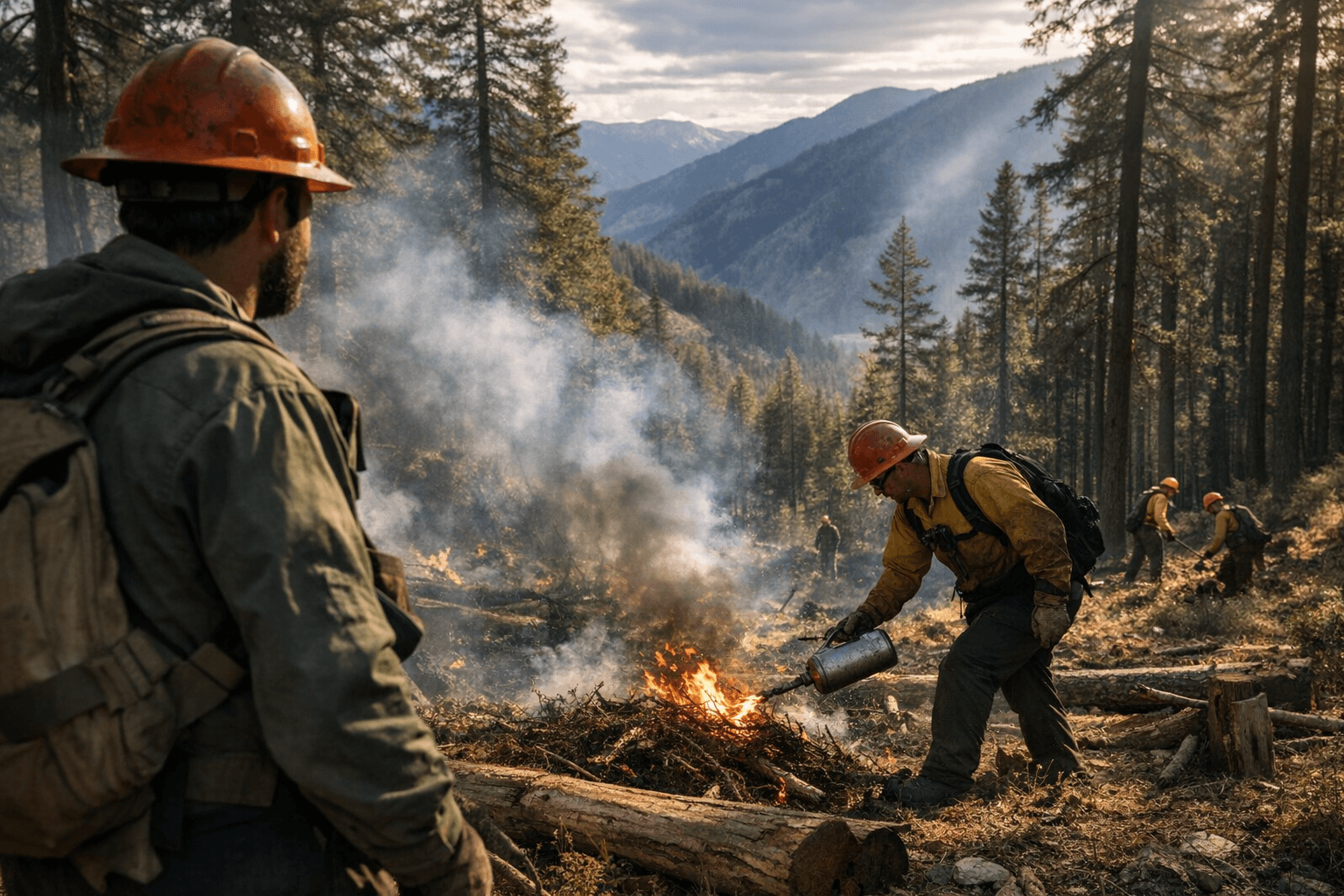
Once that planning work clears, the Unity Point project proposes topography-informed thinning, prescribed fire, riparian and meadow restoration, whitebark pine conservation, and work supporting wildlife habitat and tribal traditional uses across the fire-vulnerable mixed-conifer landscape. The project also carries a commercial timber component that, per the ODF review, "can help finance non-commercial restoration and prescribed fire," a structure that creates harvesting and contracting opportunities for local workers once implementation begins. ODF cited improved protection for Baker County homes, infrastructure, and grazing and timber resources among the program's direct intended benefits.
"This funding allows ODF to see projects through from A to Z, adding expertise and capacity to federal partners and getting work done more quickly than it otherwise would," said Kyle Sullivan-Astor, ODF's Federal Forest Restoration Program lead.
The award came with conditions. Will Brendecke, the Forest Project Manager for Unity Point, must deliver a milestone-based schedule covering scoping, specialist reports, draft EA, and final decision, and must clarify whether ODF or the U.S. Forest Service will carry out commercial components under the agency's Good Neighbor Authority. ODF reviewers noted the project's NEPA cost estimate ran high relative to typical environmental assessment work and directed the applicant to use phasing to focus the $750,000 on the highest-priority, highest-risk treatment units first.
Unity Point drew the largest single award in the round. The Umpqua National Forest's Thunder Cat project received $650,000, Malheur National Forest's Bogue Gulch got $600,000, and both the Rogue River-Siskiyou's Grayback project and Mt. Hood National Forest received $500,000. ODF separately awarded nearly $264,000 in Forest Collaborative grants and $125,000 in Technical Assistance and Science Support grants. Planning grants combine Oregon state General Fund dollars with federal Infrastructure Investment and Jobs Act funds.
This article was produced by Prism’s automated news system from verified source data, official records, and press releases, then run through automated quality and moderation checks before publishing. The system is built and supervised by the people who set the standards it runs under. Read our full AI policy.
Did this article answer your question?