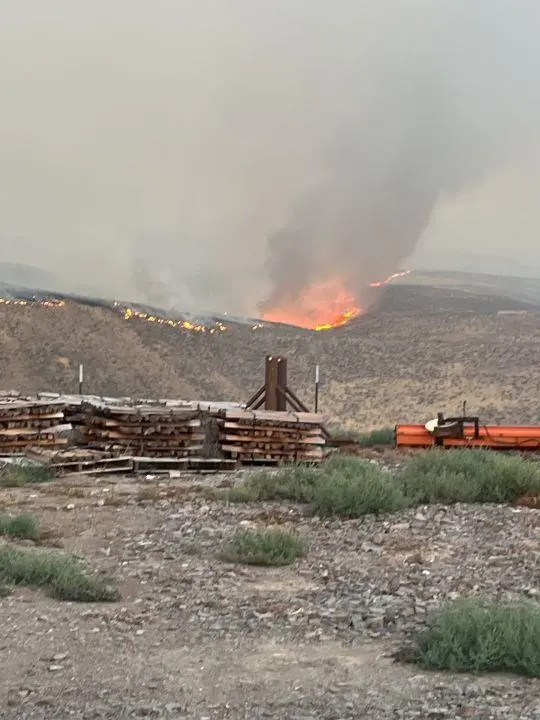
Oregon issues cyanotoxin advisory for Thief Valley Reservoir
State health officials warned against swimming and high-speed water use at Thief Valley Reservoir after lab tests found cyanotoxins above the recreational limit. The alert followed a visible bloom already in place since June 12.
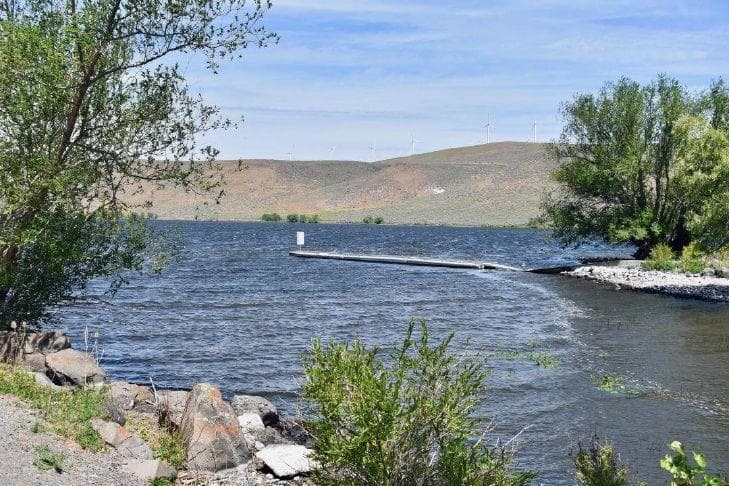
State health officials issued a recreational-use advisory for Thief Valley Reservoir on July 2 after laboratory tests found cyanotoxins above the recreational use value, escalating a warning that had already been in place since June 12 because a visible bloom was present. The reservoir, which sits in Baker and Union counties east of North Powder, is a familiar warm-weather stop for fishing, boating and family outings across Baker County.
The Oregon Health Authority said people should avoid swimming and high-speed water activities where blooms are present because swallowing contaminated water is the main way people are exposed. The agency also said cyanotoxins are not absorbed through the skin, although skin sensitivities can still cause a rash. That makes the advisory relevant far beyond swimmers: anyone launching a boat, wading at the shoreline or letting children play near the water needs to know the warning before heading out.
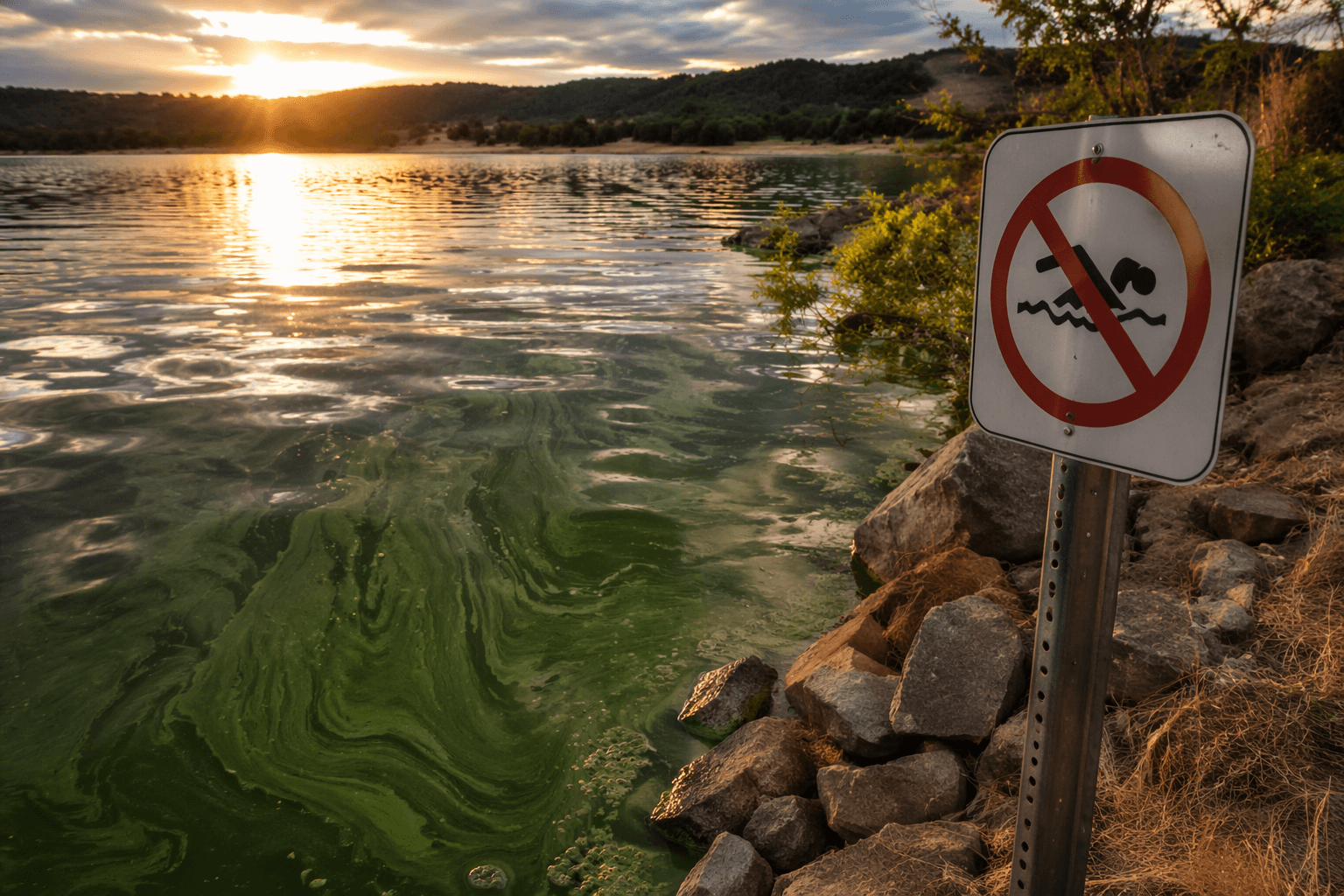
Pet owners face a sharper risk. State guidance says dogs can become extremely ill, and even die, within minutes to hours if they drink contaminated water, lick toxins off their fur or ingest toxins from floating mats or dried crust along the shore. At a reservoir that draws anglers, campers and day-trippers, that warning matters for families traveling with dogs as much as for people planning to fish or paddle.
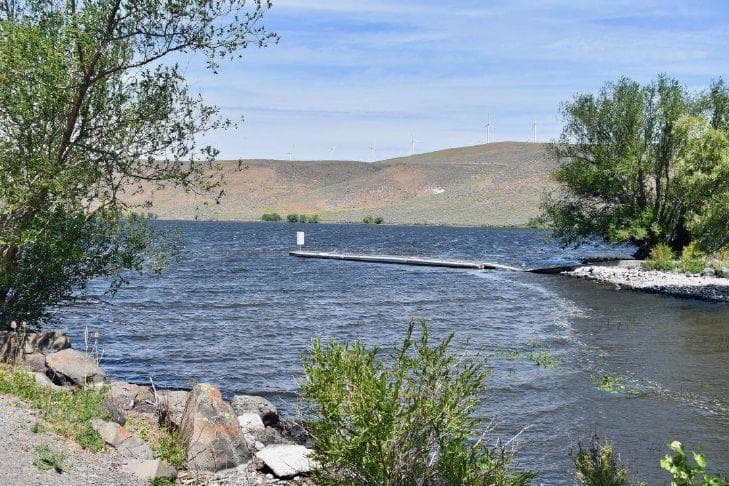
Thief Valley Reservoir also has a history of recurring cyanobacteria concerns. Oregon health officials issued a recreational-use advisory there on Aug. 20, 2025 for elevated microcystins, then lifted it on Dec. 23, 2025 after monitoring showed cyanotoxin levels below recreational guideline values for people. Even then, the state kept a separate warning for animals in place, underscoring how quickly conditions can change at the site.

The advisory falls inside Oregon Health Authority’s 2026 cyanoHAB monitoring season, which began May 4, and the agency’s advisory archive shows yearly records back to 2007, when water sampling began. Oregon Department of Environmental Quality handles the pollution-reduction side after a bloom is identified, while OHA posts warnings and public guidance. For Baker County, where Thief Valley Reservoir is stocked with thousands of rainbow trout each spring, the notice can alter fishing plans, reduce safe recreation options and force a closer look at how quickly state alerts reach holiday-weekend users before they reach the water.
This article was produced by Prism’s automated news system from verified source data, official records, and press releases, then run through automated quality and moderation checks before publishing. The system is built and supervised by the people who set the standards it runs under. Read our full AI policy.
Did this article answer your question?