OTEC to raise electric rates 4.4% for Baker County customers April 1
Oregon Trail Electric Cooperative will raise electric rates 4.4% starting April 1, 2026, increasing monthly bills for Baker County households and businesses.
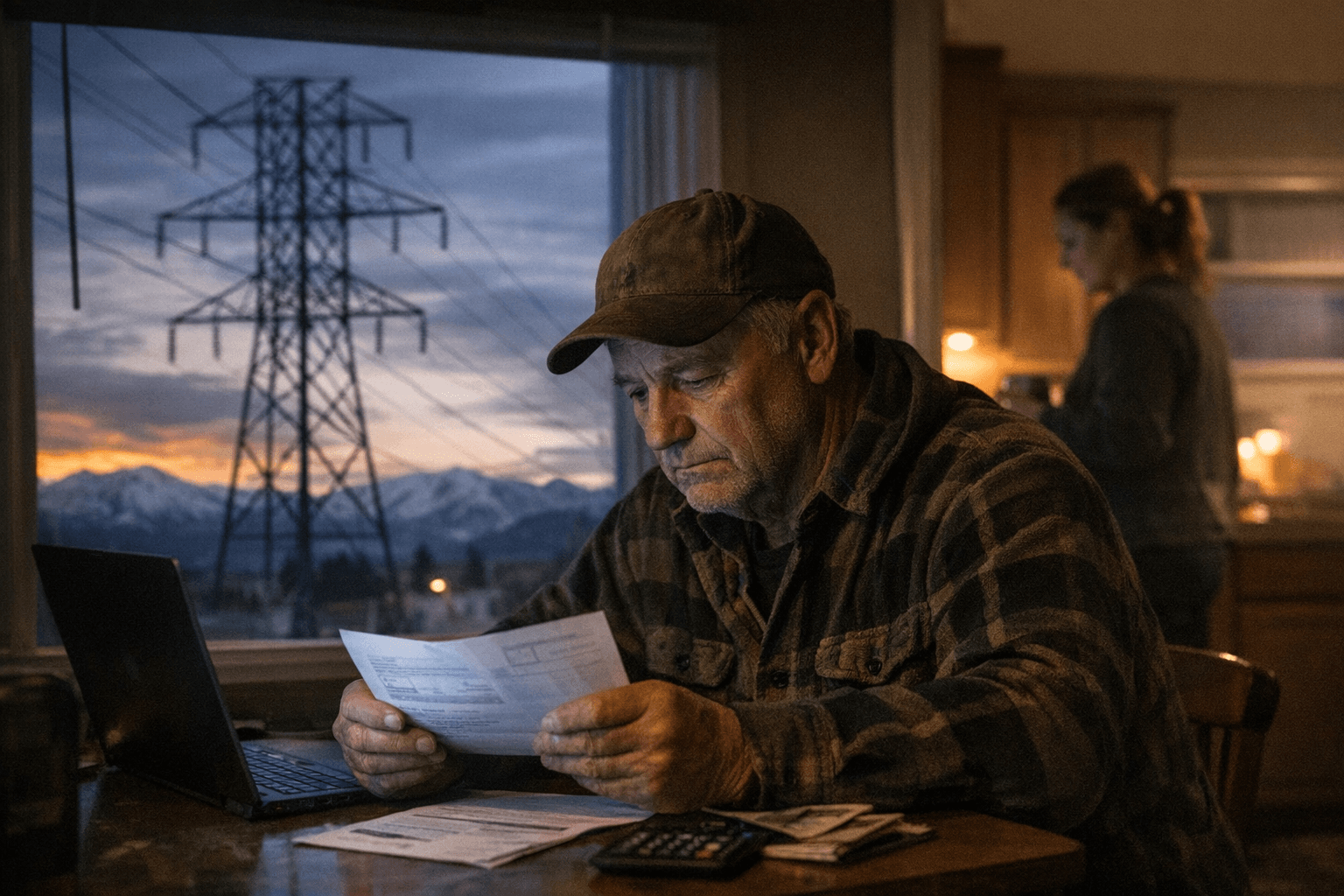
Oregon Trail Electric Cooperative will raise power rates by an average of 4.4% beginning April 1, 2026, a change that will affect all rate classes and show up on April bills. The move will translate into higher monthly costs for households and businesses across Baker County at a moment when wholesale and operating costs have been rising.
The cooperative has previously pointed to higher wholesale power costs from the Bonneville Power Administration and rising prices for materials, transportation and labor as drivers for rate adjustments. In an earlier company release, OTEC said the change was “necessitated by increased costs associated with power purchased from Bonneville Power Administration (BPA), along with the rising costs of materials, transportation, labor, and ongoing investments in system maintenance and improvements.” That statement also cited fuel costs and wildfire mitigation as factors pushing overall expenses higher.
OTEC’s public materials include detailed rate examples tied to a prior announcement. For residential bills the cooperative reported a proposed delivery charge increase from $33.50 to $38.50 and an energy charge rise from $0.06797 to $0.07259 per kilowatt-hour. Using the cooperative’s own sample household of 1,033 kWh per month, the cooperative estimated a monthly increase of $9.77, from $103.71 to $113.49. By contrast, a 4.4% average rise applied to that $103.71 baseline would add roughly $4.56 a month, illustrating the gap between the earlier example and the new average cited for April 1, 2026.
The cooperative last adjusted rates in November 2019, when members saw an overall 2.71% increase and a $4 uptick in the residential delivery charge with no change to the per-kWh charge. That history matters because small, periodic increases compound over time for households on fixed incomes and for small employers that face thin margins. For a family or a small shop in Baker County the incremental monthly cost can erode discretionary spending and raise operating costs for Main Street businesses.
Market and policy implications for the region hinge on the transmission of BPA wholesale costs into local rates and on wildfire mitigation spending that utilities are increasingly absorbing. As a member-owned, not-for-profit utility, OTEC frames rate changes as necessary to maintain reliable service and fund upkeep; the cooperative’s public language emphasizes service to member-owners rather than shareholder profit.

Some details remain unclear in public materials, including how the cooperative’s earlier rate materials relate to the 4.4% change scheduled for April 1, 2026. Customers should watch April bills for the new charges and check OTEC’s member services pages for notices and options. OTEC’s site navigation includes pages to Report an Outage, Apply For Service, Contact Us and Economic Development where members can find more information or request billing assistance.
This article was produced by Prism’s automated news system from verified source data, official records, and press releases, then run through automated quality and moderation checks before publishing. The system is built and supervised by the people who set the standards it runs under. Read our full AI policy.
Did this article answer your question?