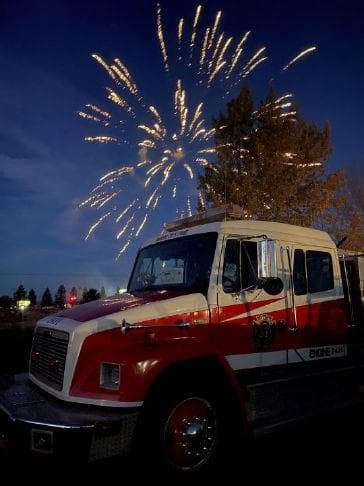
OTEC Urged New Year Safety Precautions for Baker County Residents
As New Year’s Eve approached, Oregon Trail Electric Cooperative issued a safety checklist reminding Baker County residents to plan sober transportation, secure pets, test smoke alarms, and have emergency contacts handy when hosting or attending gatherings. The cooperative also highlighted winter driving risks after the National Weather Service forecast near-freezing temperatures and warned drivers to watch for black ice, advice that carries public-safety and economic implications for the community.
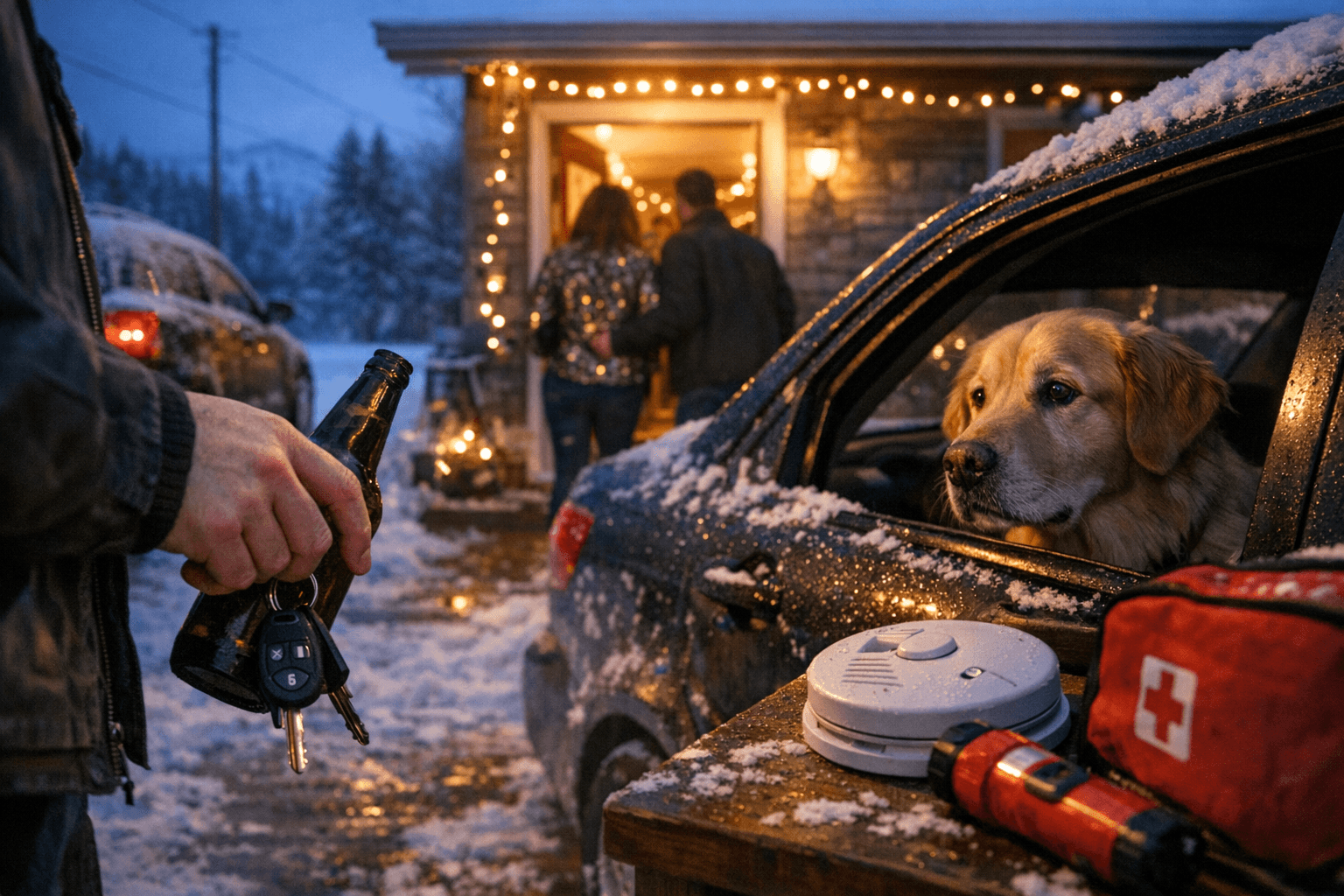
Oregon Trail Electric Cooperative, serving Baker County and surrounding areas, issued a set of safety reminders as celebrations began on December 31, 2025. The checklist emphasized arranging a sober driver or using public transportation, noting that New Year’s Eve is a high-risk time for impaired driving. It also recommended keeping pets indoors to reduce anxiety from loud noises, ensuring smoke alarms were functioning, and having emergency contact numbers readily available for hosts and guests.
The cooperative underscored another practical precaution: avoid leaving vehicles overnight. OTEC warned that New Year’s Day can be a peak time for car thefts, a risk that can impose immediate financial strain on households through loss, repair bills, and insurance complications. For a rural county like Baker, vehicle losses also ripple through the local economy by disrupting commutes, agricultural work, and service deliveries that depend on personal transportation.
The timing of the safety reminders intersected with a National Weather Service forecast for Eastern Oregon calling for temperatures at or near freezing late New Year’s Eve into early New Year’s Day. That forecast prompted a separate warning for drivers to slow down in shaded areas where black ice can form unexpectedly. Near-freezing conditions increase the chance of slips, falls, and vehicle crashes, and they also raise residential heating demand. Higher winter load can strain distribution systems and increase household energy bills, making preparedness both a safety and economic concern.
Local emergency services, volunteer fire departments, and law enforcement typically face higher call volumes around year-end holidays for alcohol-related crashes, vehicle theft responses, and weather-related incidents. The cooperative’s reminders were aimed at reducing that strain by encouraging preventive actions at the household level. For residents hosting gatherings, working smoke alarms and a plan for impaired or weather-impaired guests can cut the likelihood of costly emergencies and help keep response resources available for the most serious incidents.
Looking beyond the holiday, the messages reflect ongoing local policy challenges: coordinating public-safety messaging, maintaining utility resilience during winter peaks, and addressing seasonal spikes in vehicle crime. For Baker County households, the practical actions OTEC advised are low-cost steps that can reduce risk and avoid avoidable financial shocks in the days after a holiday.
This article was produced by Prism’s automated news system from verified source data, official records, and press releases, then run through automated quality and moderation checks before publishing. The system is built and supervised by the people who set the standards it runs under. Read our full AI policy.
Did this article answer your question?