State Deploys Sandbag Machines, Baker County Equipment Staged for Floods
On December 18, 2025, the Oregon Department of Emergency Management distributed five additional high capacity sandbagging machines through the SPIRE program to bolster flood response across the state. For Baker County residents this means a temporary redeployment of the local Halfway machine to Hood River County, while a Malheur County machine will be staged in Baker County to maintain readiness.
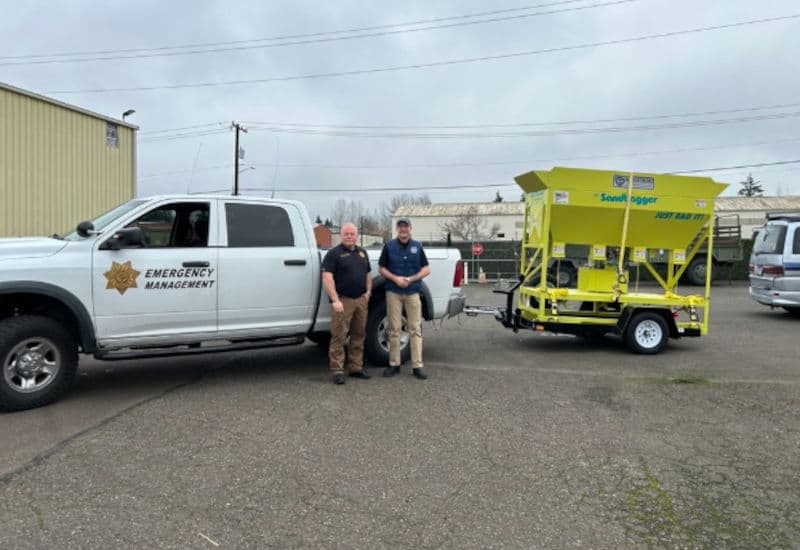
The Oregon Department of Emergency Management delivered five additional high capacity sandbagging machines through the SPIRE program on December 18, 2025, expanding the state capacity to respond to flood threats. Recipients included Malheur County Emergency Management, Harney County Emergency Management, the Crook County Sheriff’s Office, the North Bend Fire Department, and the City of Portland. The moves are part of a broader effort to pre position equipment and coordinate across jurisdictions to protect lives and property during periods of high water.
Baker County faces a complex short term change in readiness because the Baker County Halfway sandbagging machine is currently deployed to Hood River County to support active flooding operations there. To ensure Eastern Oregon remains prepared, Malheur County is relocating the SPIRE funded machine it received to Baker County to stage. That staging is intended to provide rapid access to mechanized sandbagging if local or regional flooding emerges.
The machines being distributed include the Sandbagger Model II, which fills four bags at once and can produce approximately 1,600 sandbags per hour under optimal conditions. The capabilities shorten the time that volunteers and public works crews spend filling bags, and increase the volume of sandbags available for levee reinforcement, road protection, and structure defense during flood events.

For local residents the immediate implications are practical and procedural. Pre positioning machines reduces response time when rivers rise and heavy rain threatens low lying areas across Baker County. At the same time temporary redeployments mean local emergency planners must account for machine availability when assigning tasks and organizing volunteer efforts. County officials will need to coordinate logistics, maintenance schedules, operator training, and staging sites to ensure the equipment is ready when emergencies occur.
Policy and governance questions follow. Distribution decisions under SPIRE affect rural and urban resilience, and clear criteria for allocation, maintenance responsibility, and inter county agreements can strengthen public trust. Residents are encouraged to ask county officials about current staging locations, training plans for operators, and how volunteer sandbagging efforts will be supported during the winter flood season. Accountability and transparent planning will determine how effectively these machines protect Baker County homes, roads, and infrastructure in the months ahead.
This article was produced by Prism’s automated news system from verified source data, official records, and press releases, then run through automated quality and moderation checks before publishing. The system is built and supervised by the people who set the standards it runs under. Read our full AI policy.
Did this article answer your question?