Sumpter Valley Railroad keeps Baker County history rolling on restored tracks
Volunteers rebuilt the Sumpter Valley Railroad from a 1947 scrap line into Oregon’s only narrow-gauge steam railroad, and its upkeep still depends on labor, donations and restoration work.
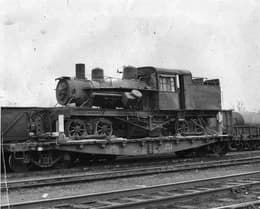
The Sumpter Valley Railroad is not a frozen relic in Baker County. Volunteers rebuilt it after the original track was scrapped in 1947, and the line now runs as Oregon’s only narrow-gauge, steam-powered railroad, with upkeep still tied to the people who keep the trains, track and equipment operating. From McEwen Depot, about 23 miles southwest of Baker City on Highway 7, the railroad carries riders through a landscape where railroading and mining history still share the same ground.
A railroad rebuilt by volunteers
The restoration effort began when Nils Christensen started organizing support in the late 1960s, and the nonprofit Sumpter Valley Railroad Restoration was incorporated on January 4, 1971. That work turned into more than a preservation campaign. It became a full rebuilding effort that restored over 7 miles of track and brought passenger service back on July 4, 1976.
That history matters because the railroad’s survival is still an operating challenge, not just a heritage project. The railroad says steam locomotive maintenance consumes much of its revenue, which is why volunteer labor and donations remain central to keeping the line open. In 2026, the railroad marked its 50th anniversary, a milestone that reflects how long the rebuilt operation has been carrying visitors, not just memories.
Where the ride begins
The railroad’s main public hub is the McEwen Depot, along with the yards and Baker County Day Park. Those facilities sit in McEwen, Oregon, roughly 22 to 23 miles southwest of Baker City on Highway 7, making the railroad easy to pair with other stops in the upper valley. Trains leaving McEwen Depot run as round trips unless otherwise noted, so the experience is built around a return to the same depot rather than a one-way excursion.
The railroad describes itself as the only narrow-gauge, steam-powered railroad in Oregon, a distinction that gives the line a place of its own in the state’s tourist-rail scene. A Trains profile characterized the recreated route as about 5 miles of the old line through forest and the remains of a gold-mining landscape, while the restoration itself spans more than 7 miles of track. Put together, the line functions as both a ride and a working demonstration of what it takes to keep steam-era rail alive in Baker County.
What the railroad connects to in Sumpter
One of the strongest parts of a visit is how closely the railroad links to the broader Sumpter heritage landscape. Sumpter Station sits at the entrance to the Sumpter Valley Dredge State Heritage Area, so a trip by rail can connect directly to the county’s mining history. That makes the railroad more than a stand-alone attraction. It is part of a larger chain of sites that show how the valley was built, mined and remade.

Oregon State Parks describes the dredge area as a major industrial relic near Baker City at the base of the Elkhorn Mountains. The preserved dredge was one of three that operated in Oregon’s Sumpter Valley, and it recovered more than $4 million in gold before shutting down in 1954. That scale matters because it shows the railroad’s setting is not decorative. It sits inside one of the clearest surviving landscapes of the county’s extractive past.
Why Baker County still has a stake in the line
The railroad’s value is tied to more than nostalgia. It keeps a piece of industrial history active, and that requires a steady chain of work behind the scenes. The original line was lost in 1947, so what visitors see today exists because local supporters chose to rebuild, then kept rebuilding as equipment aged and track needed attention. Without that effort, Baker County would lose one of its most visible links between the timber, rail and mining economies that shaped the valley.
For residents, the stakes are practical as well as historical. The railroad concentrates visitors in McEwen and Sumpter, brings people to the depot, the yards and the day park, and creates a reason to move between the railroad and the dredge area in one trip. It also offers one of the few experiences in the region where the machinery itself is part of the story: the steam locomotives, the narrow-gauge track and the restored right-of-way are all part of the same living system.

How to experience it now
A visit to the Sumpter Valley Railroad works best when it is treated as part rail trip, part county history stop. Start at McEwen Depot, where the railroad’s round-trip departures keep the experience centered on the restored line itself. From there, the ride gives you a direct look at a rebuilt route through the same terrain that once supported the original railroad and the mining operations around Sumpter.
If you want the fullest Baker County connection, pair the train ride with the Sumpter Valley Dredge State Heritage Area. The railroad takes care of the motion, while the dredge area explains the industrial reach of the valley. Together they show why the railroad still matters: it is not just preserving a story, it is keeping an old working landscape visible, legible and in motion.
This article was produced by Prism’s automated news system from verified source data, official records, and press releases, then run through automated quality and moderation checks before publishing. The system is built and supervised by the people who set the standards it runs under. Read our full AI policy.
Did this article answer your question?