Unity Reservoir unlikely to fill, raising drought concerns for Burnt River farmers
Unity Reservoir was only 77% full on April 27, and Burnt River farmers are bracing for one of the rare years it may not fill.
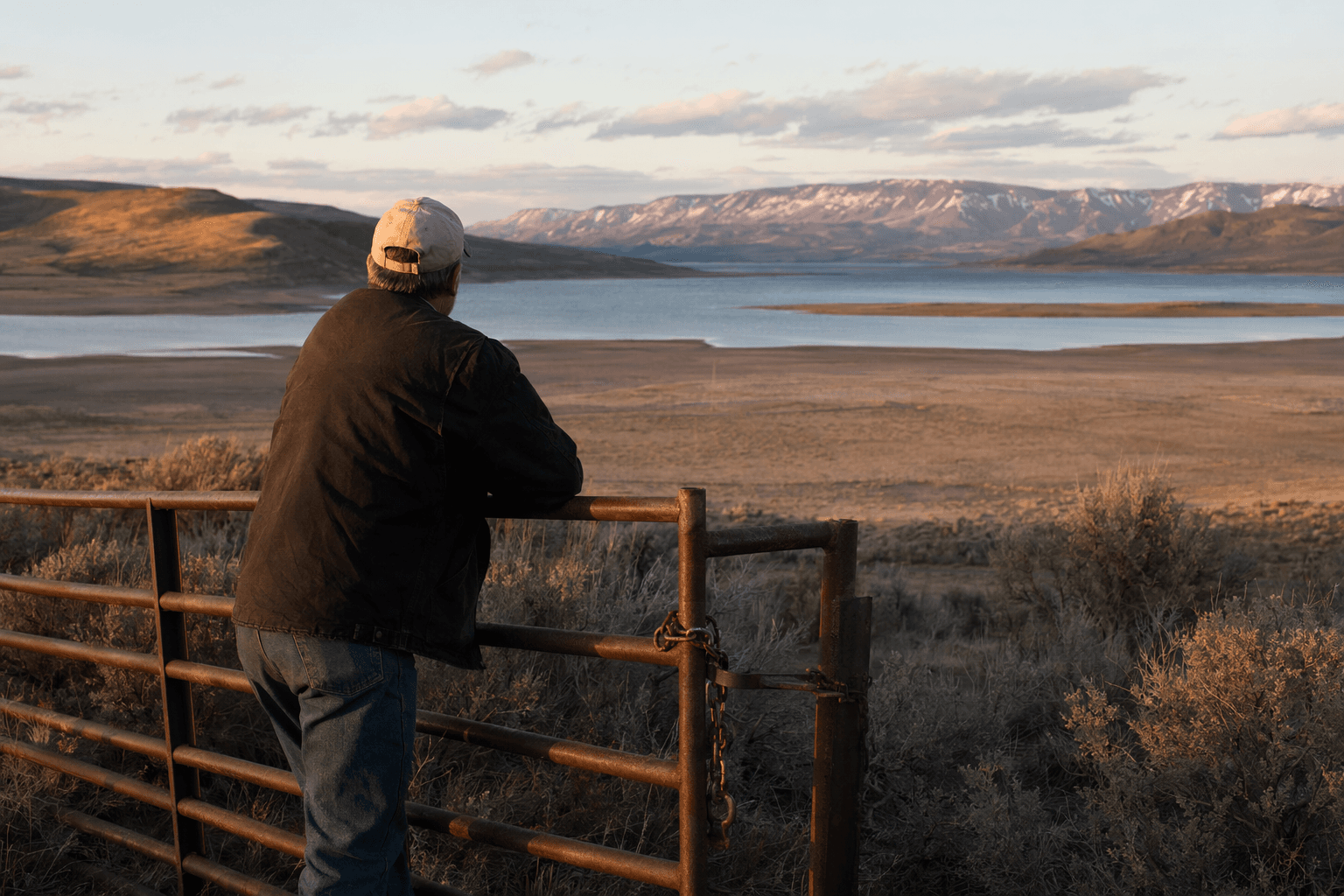
Unity Reservoir’s weak spring rebound has left the Burnt River Valley staring at a short water year, with longtime rancher Pat Sullivan saying the reservoir likely will not fill and farmers already planning around a limited supply.
As of Monday, April 27, the reservoir about 3 miles north of Unity was roughly 77% full, and Sullivan, a Burnt River Irrigation District board member, said he did not expect it to climb much farther. If that holds, 2026 would be only the third year in more than half a century that Unity Reservoir has failed to fill, alongside 2001, 1992 and 1977. Even in 1992, the reservoir reached 96% of capacity.
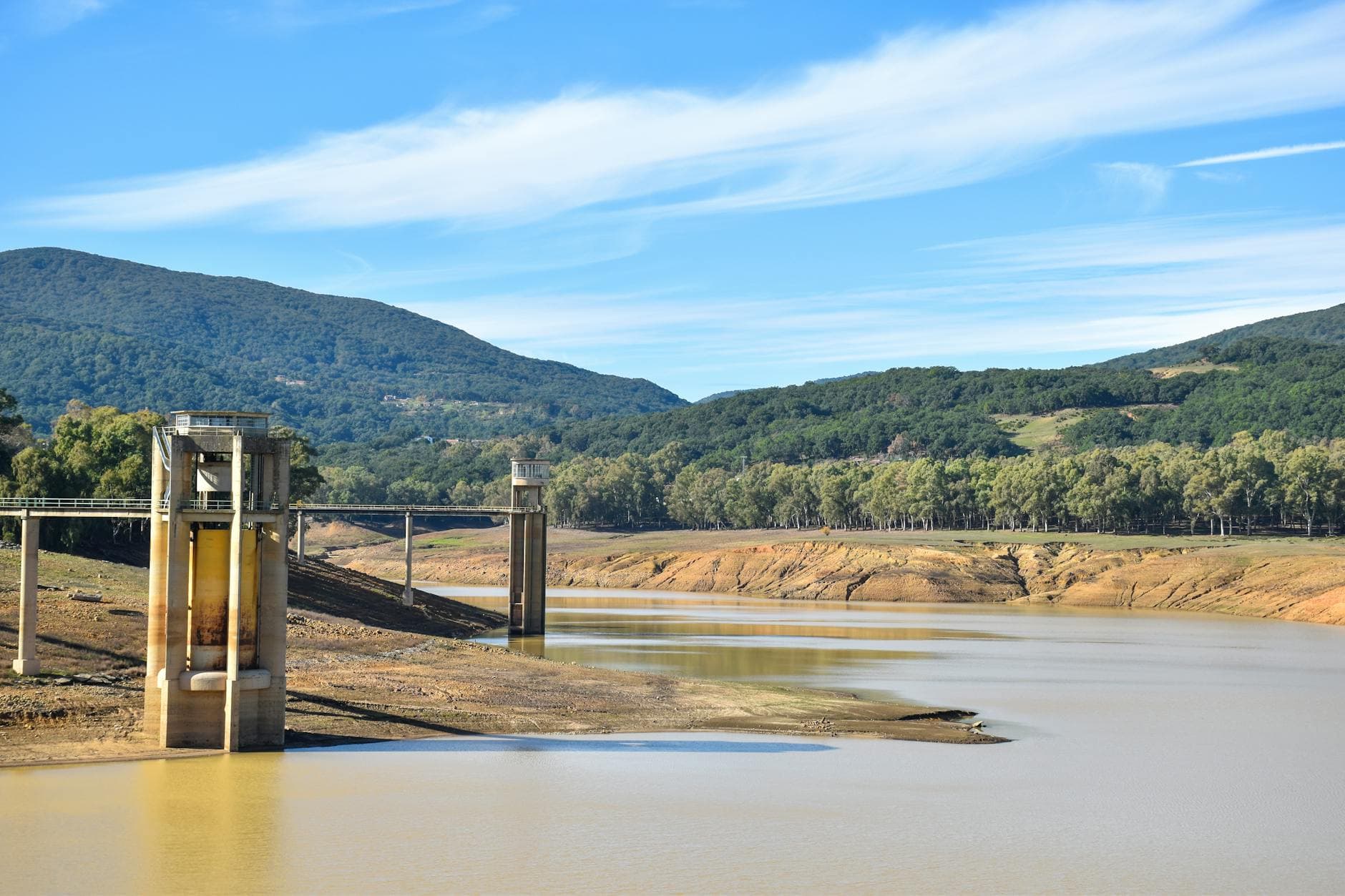
The stakes are immediate because Unity Dam and Reservoir were built for one purpose: irrigation. The Burnt River Project provides supplemental water for about 15,600 acres in east-central Oregon, land that once depended entirely on the Burnt River’s natural flow. Before storage existed, the river often dried up in July and August, leaving no water to finish crops. The Bureau of Reclamation says the project stores floodwaters for later release when natural flow is not enough, which is why snowpack and runoff timing matter so much in the valley.
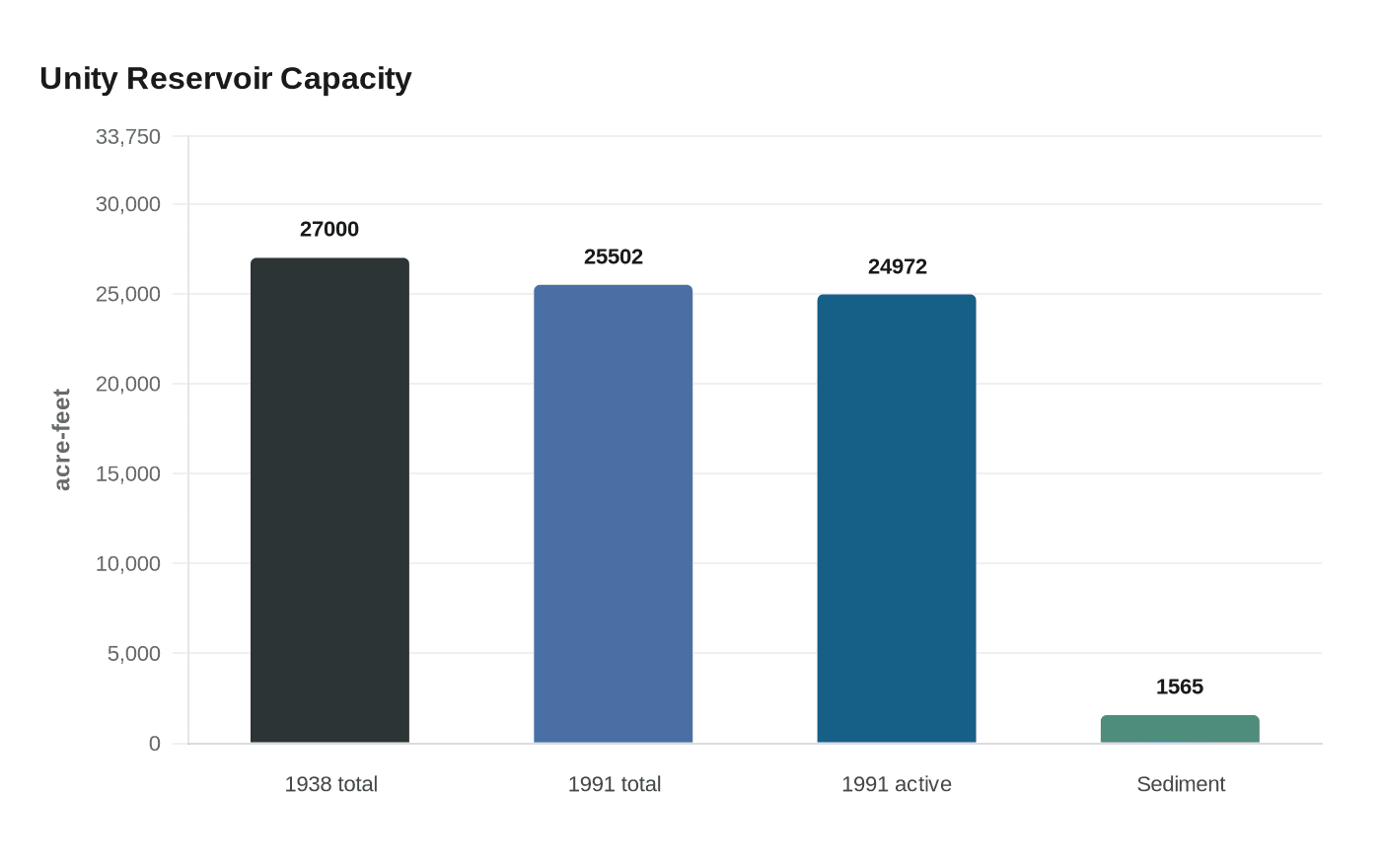
The system itself is modest by western water standards. Unity Dam, about 40 miles southwest of Baker, stands 82 feet high. When the reservoir was first filled in February 1938, its total capacity was reported at 27,000 acre-feet. A 1991 sedimentation survey put total capacity at 25,502 acre-feet and active capacity at 24,972 acre-feet, showing 1,565 acre-feet of sediment had accumulated since 1938, a 5.11% loss in storage.
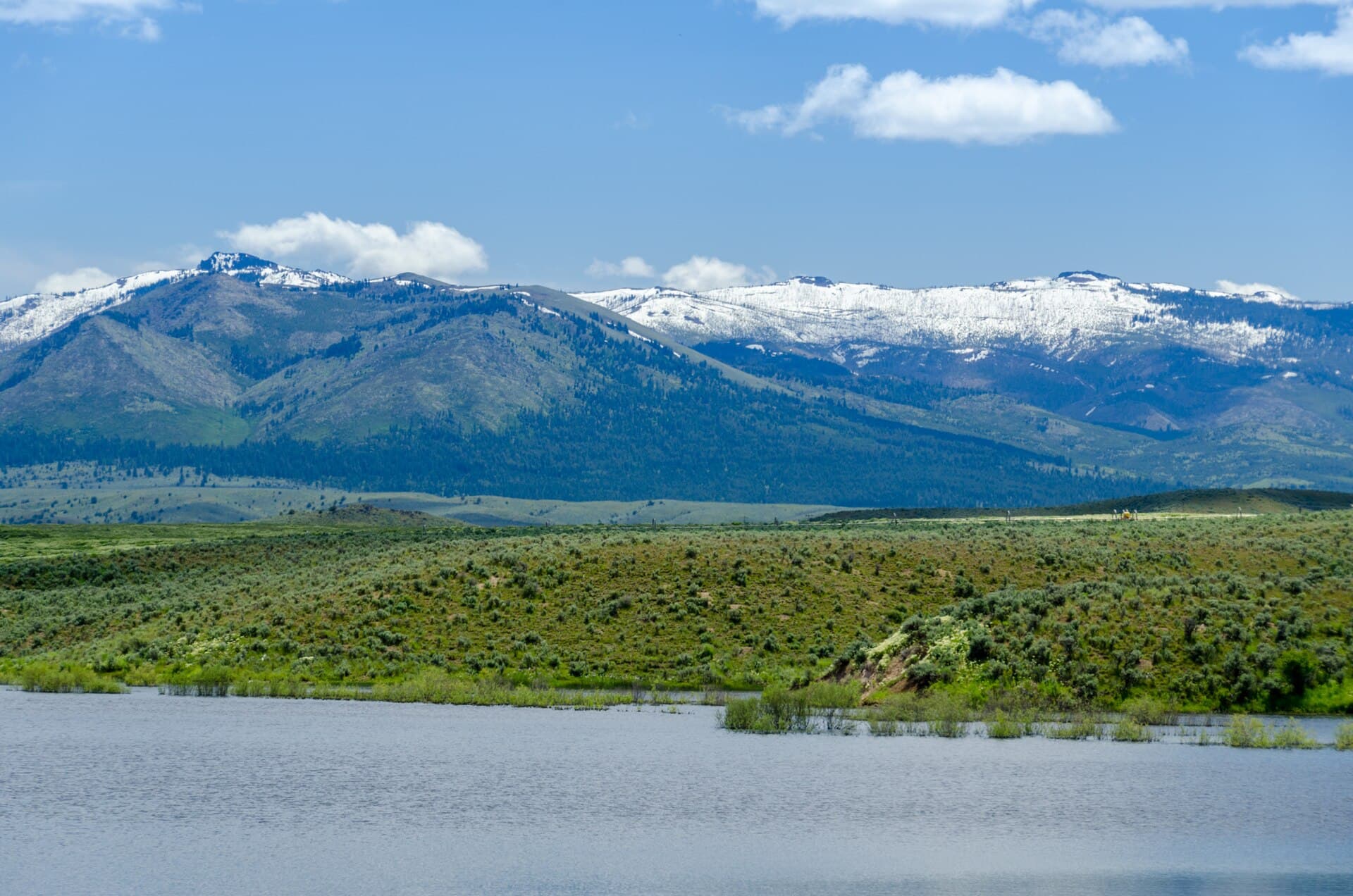
This year’s problem is not the dam but the mountains feeding it. The surrounding snowpack has been the skimpiest since 1977, leaving too little runoff from the North Fork, Middle Fork and South Fork Burnt River, along with smaller tributaries, to rebuild the reservoir the way a normal snow year would. Even with the minimum amount still being released through the dam, the reservoir rose only about 2,200 acre-feet over the past month.
Sullivan said farmers typically have enough river water until mid-June in a normal year, after which the district has to lean more heavily on reservoir releases. This year, he said, the district is already working with what is known to be available. In wet years, the opposite problem can appear: Burnt River floodwater can spill onto roads and spread across pastures and hay meadows, then soak back into the ground and recharge groundwater. This spring, that cushion looks far less certain, and the valley’s irrigation season is starting with less margin than it has had in years.
This article was produced by Prism’s automated news system from verified source data, official records, and press releases, then run through automated quality and moderation checks before publishing. The system is built and supervised by the people who set the standards it runs under. Read our full AI policy.
Did this article answer your question?