Volunteer Awarded $1,000 for Rescuing Snowbound Truck Near Granite
A Granite volunteer received a $1,000 reward after helping free a commercial truck and tending to the driver's immediate safety needs during winter storms on Jan. 6, 2026. The episode highlights local community resilience, the role of volunteers and emergency responders, and raises questions about preparedness and public resources for winter travel.
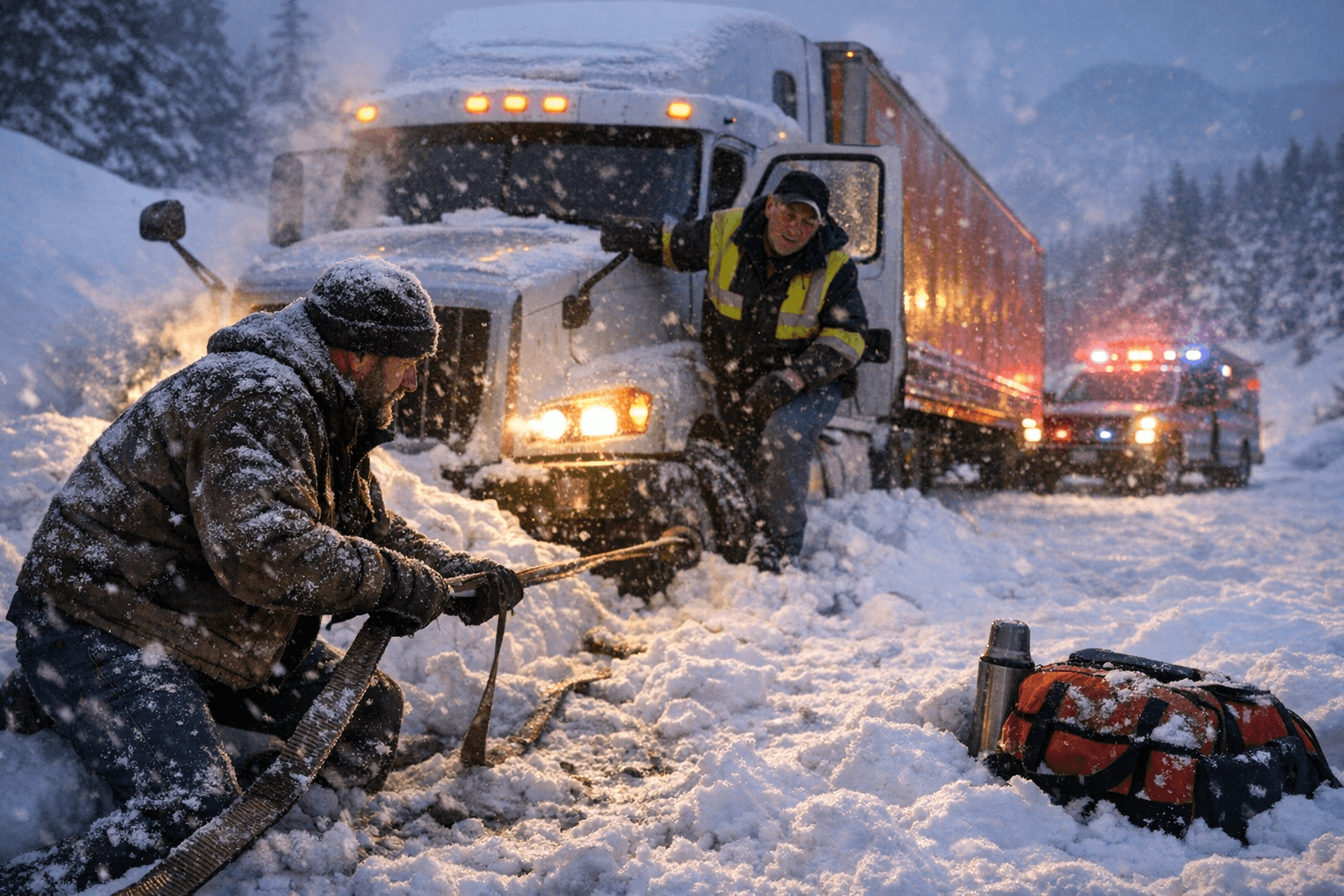
On Jan. 6, 2026, a volunteer in the Granite area was awarded $1,000 after coming to the aid of a commercial truck driver who had become snowbound during a series of winter storms. The volunteer's timely actions helped free the vehicle and address immediate safety needs, an outcome credited by local emergency responders and other volunteers involved at the scene.
Local officials and responders described the incident as an example of community-based response during severe weather. While no serious injuries were reported, the situation underscored how quickly routine travel can escalate into a hazardous incident on snow-impacted roads and how individual action can limit harm and restore traffic flow. The reward was presented as recognition for the volunteer's decisive assistance at a time when conditions were poor and official response resources were stretched.
For Baker County residents, the episode offers several practical takeaways. First, winter storms remain an active seasonal risk on rural highways and mountain passes near Granite, and even commercial drivers can encounter conditions that overwhelm a single vehicle's capacity to proceed safely. Second, volunteers and local emergency crews play a critical role in short-term rescue and traffic mitigation, often bridging gaps until coordinated agency resources arrive.
The incident also invites policy scrutiny. Winter preparedness depends on a combination of road maintenance operations, timely traveler information, and adequate funding for emergency response. Decisions about resource allocation and storm-response staffing are made by elected officials and local agencies; residents who want to influence those priorities will find their voices matter in municipal and county budget processes, public meetings, and through civic engagement.
Practical steps for travelers include preparing vehicles for winter travel, carrying emergency supplies, and checking current road conditions before departing. Official channels such as county emergency management and state transportation agencies provide condition reports and closure notices; relying on those sources can reduce risk and improve outcomes when storms arrive.
The Jan. 6 incident near Granite demonstrated both the risks of winter travel and the capacity of local volunteers and responders to limit harm. As winter continues, the episode serves as a reminder that community resilience depends on individual preparedness, coordinated institutional response, and sustained public support for the systems that keep rural roads safe.
This article was produced by Prism’s automated news system from verified source data, official records, and press releases, then run through automated quality and moderation checks before publishing. The system is built and supervised by the people who set the standards it runs under. Read our full AI policy.
Did this article answer your question?