Warm March Temperatures Could Trigger Early Mosquito Season, Expert Warns
Baker City residents were already scratching mosquito welts in March after five straight days of 70-degree temps roused bugs that typically don't emerge until May.

Residents in Baker City were already swatting mosquitoes and calling to complain about welts when Matt Hutchinson, manager of the Baker Valley Vector Control District, said he expected the season to arrive early this year.
"If the weather keeps up like it's been, I expect things to start earlier this year," Hutchinson said on Monday, March 16. "We'll start doing some surveying this week."
The culprit was a stretch of record-breaking warmth. The National Weather Service forecast temperatures at the Baker City Airport climbing into the 70s each day from March 17 through March 20 before cooling over the weekend, nearly identical to what happened in March 2024, when the airport topped 70 degrees on five straight days and broke three daily high temperature records. The preceding winter was also notable for its lack of frigid days, leaving conditions ripe for an early revival.
Hutchinson said the warm spell roused mosquitoes that had survived winter by hunkering in buildings or other sheltered locations, protected from the cold. Only certain species can survive as adults through winter; those are the ones now active weeks ahead of schedule. Typically, he said, mosquitoes emerge after warm weather in April or May, not March.
Hutchinson oversees a 200,000-acre district covering most of Baker, Keating and Bowen valleys, including Baker City and Haines. He said he received a few phone calls from people surprised to find themselves scratching welts this early in the year.
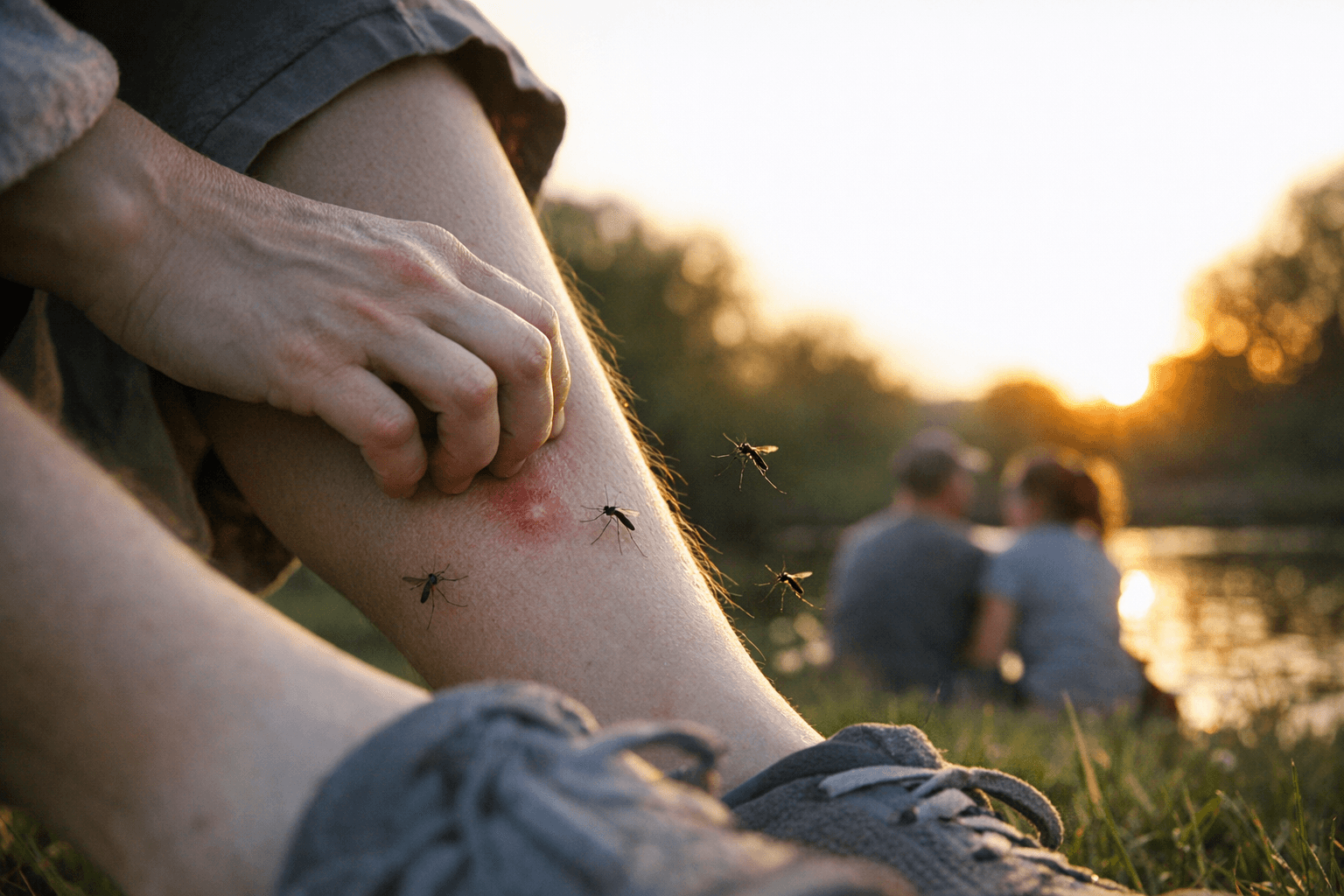
The more prevalent species in Baker County, known as floodwater mosquitoes, generally don't begin hatching until May or June. Those mosquitoes lay their eggs the previous year when the adults die, and Hutchinson's crew works to control them with liquid and granular larvicides that kill larvae before they reach adulthood.
The early emergence raises the question of West Nile virus, though Hutchinson was careful to put the risk in context. Although culex mosquitoes, the genus associated with West Nile transmission, could begin flying earlier than usual, Hutchinson said he has not seen evidence that the virus persists from year to year in local mosquitoes, including in 2024. In that year, as in most years over the past two decades, West Nile was not confirmed in local mosquitoes until mid-summer, even when culex mosquitoes appeared earlier in spring.
The pattern of detection, Hutchinson explained, follows bird migration. Birds are hosts for the virus, and as infected birds move north, the virus typically turns up first in Idaho and Malheur County before reaching the Baker Valley. West Nile infection in people has been quite rare in the district.
Hutchinson added that the cooler weather forecast to follow the warm spell should push mosquitoes back into dormancy for now, but warned that a sustained warm stretch could compress the timeline further.
This article was produced by Prism’s automated news system from verified source data, official records, and press releases, then run through automated quality and moderation checks before publishing. The system is built and supervised by the people who set the standards it runs under. Read our full AI policy.
Did this article answer your question?


