Asia North returns to Station North, centering hospitality and APIMEDA heritage
Asia North returns to Station North for 31 days, spotlighting sixteen APIMEDA artists and a hospitality theme tied to Baltimore’s evolving Koreatown history.
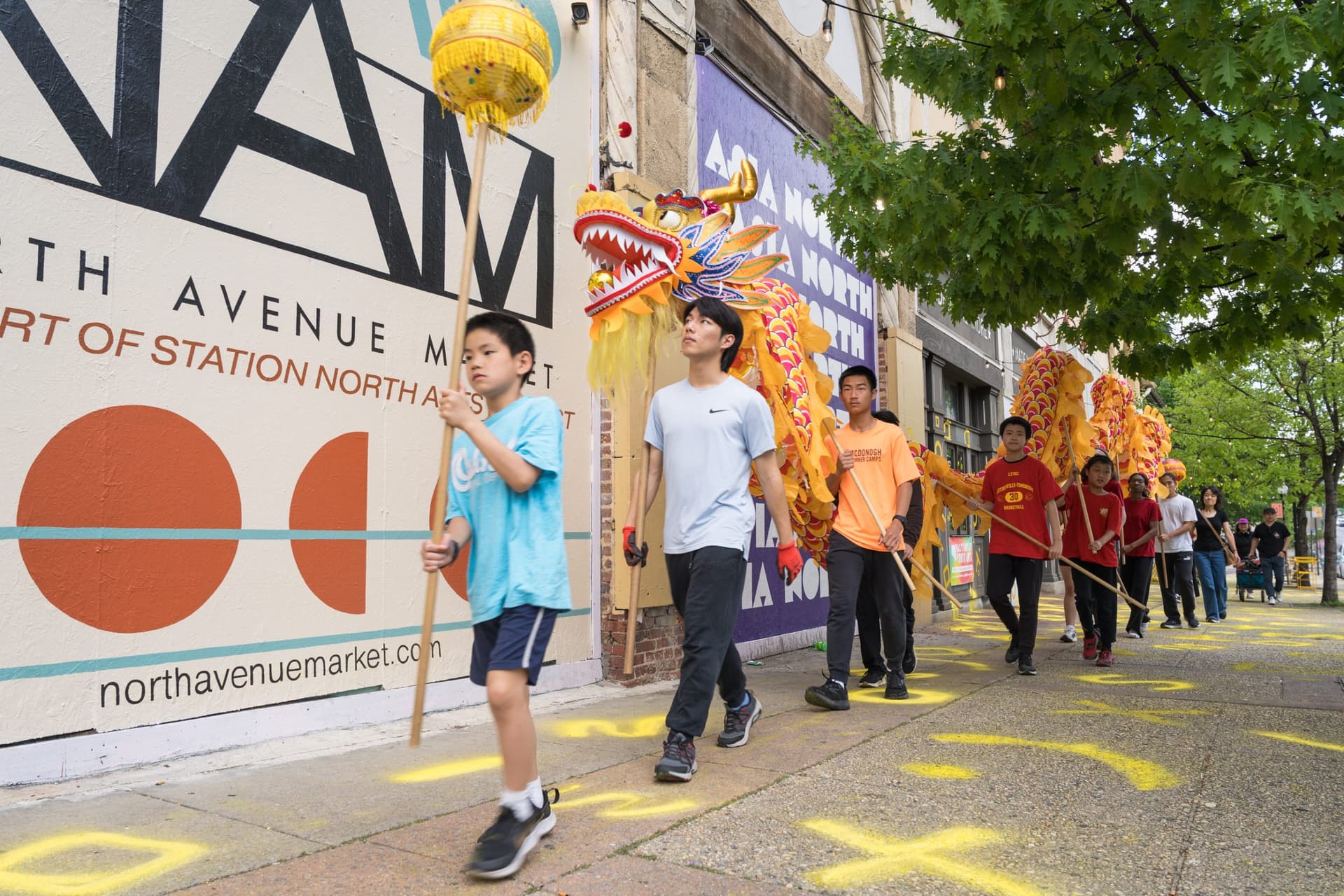
Asia North turns Station North into a month-long APIMEDA crossroads
Asia North is back in Station North for its eighth year, and the scale matters: 31 days of programming from May 1 through May 31 turns one neighborhood stretch of North Avenue into a sustained cultural draw, not just a one-night opening. With Central Baltimore Partnership and Towson University’s Asian Arts & Culture Center co-producing the festival, the event once again ties Baltimore’s arts economy to a larger story about APIMEDA visibility, belonging and neighborhood identity.
The timing also gives the festival a broader civic role. Running alongside APIMEDA Heritage Month, Asia North places Asian, Pacific Islander, Middle Eastern and Desi American cultures at the center of Baltimore’s public calendar, where representation is visible in galleries, on sidewalks and inside local venues. In a city where cultural events can double as economic lifelines for small businesses and creative spaces, a month-long festival creates repeated opportunities for foot traffic, repeat visits and neighborhood discovery.
A neighborhood with a layered identity
Asia North has always been about more than an exhibition. Organizers describe Charles North and Station North as a neighborhood with a “constantly evolving” identity, and that evolution is part of the festival’s power. The same streets that now read as an arts district and creative hub also carry the memory of a once-thriving, unofficial Koreatown, a history the festival continues to honor through public programming and art.
That layered identity matters in Baltimore because place is never just scenery here. Station North’s public art, small businesses and performance spaces already depend on a steady cultural calendar to keep the district active, and Asia North fits directly into that ecosystem. The festival’s return helps reaffirm that North Avenue is not only a corridor for visitors, but a stage for communities whose stories have too often been pushed to the margins.
Inside “Shoes at the Door”
The 2026 signature exhibition is titled “Shoes at the Door,” curated by Dylan Kaleikaumaka Hill. It is presented at two familiar Station North venues, SNF Parkway Theatre at 5 West North Avenue and Currency Studio at 18 W. North Avenue, giving the festival a visible footprint along one of Baltimore’s most recognizable arts stretches.
This year’s theme makes hospitality more than a polite gesture. The exhibition frames hospitality as a practice shaped by diaspora, cultural tradition, inheritance, colonial commodification and celebration, which gives the show a social and historical edge. That framing turns an everyday idea into a lens for understanding migration, memory and the expectations placed on APIMEDA communities, especially in cities where cultural labor is often expected to be invisible.
The exhibition brings together works by sixteen APIMEDA-identifying artists from the greater Baltimore and DMV region. That regional mix gives the show local roots while also widening its reach, signaling that Baltimore is part of a larger cultural network rather than a closed-off arts island. In practical terms, it means more artists, more audiences and more reasons for people to move between the Parkway and Currency Studio over the course of the month.
What to put on the calendar
The opening event is Friday, May 1, from 5 to 9 p.m., and that first evening sets the tone for the rest of the month. An opening reception like this does more than launch an exhibition. It puts artists, organizers, neighbors and first-time visitors in the same room, creating the kind of public-facing contact that helps build familiarity across communities.
Another notable program is the Queer Asian Gallery Walk + Talkback on Thursday, May 21, at the Parkway Theatre. The inclusion of a queer-centered event signals that Asia North is not treating APIMEDA identity as a single story or a fixed category. Instead, the festival makes room for overlapping identities and lived experiences, which is central to any serious conversation about equity, visibility and who gets to be seen in the city’s cultural spaces.
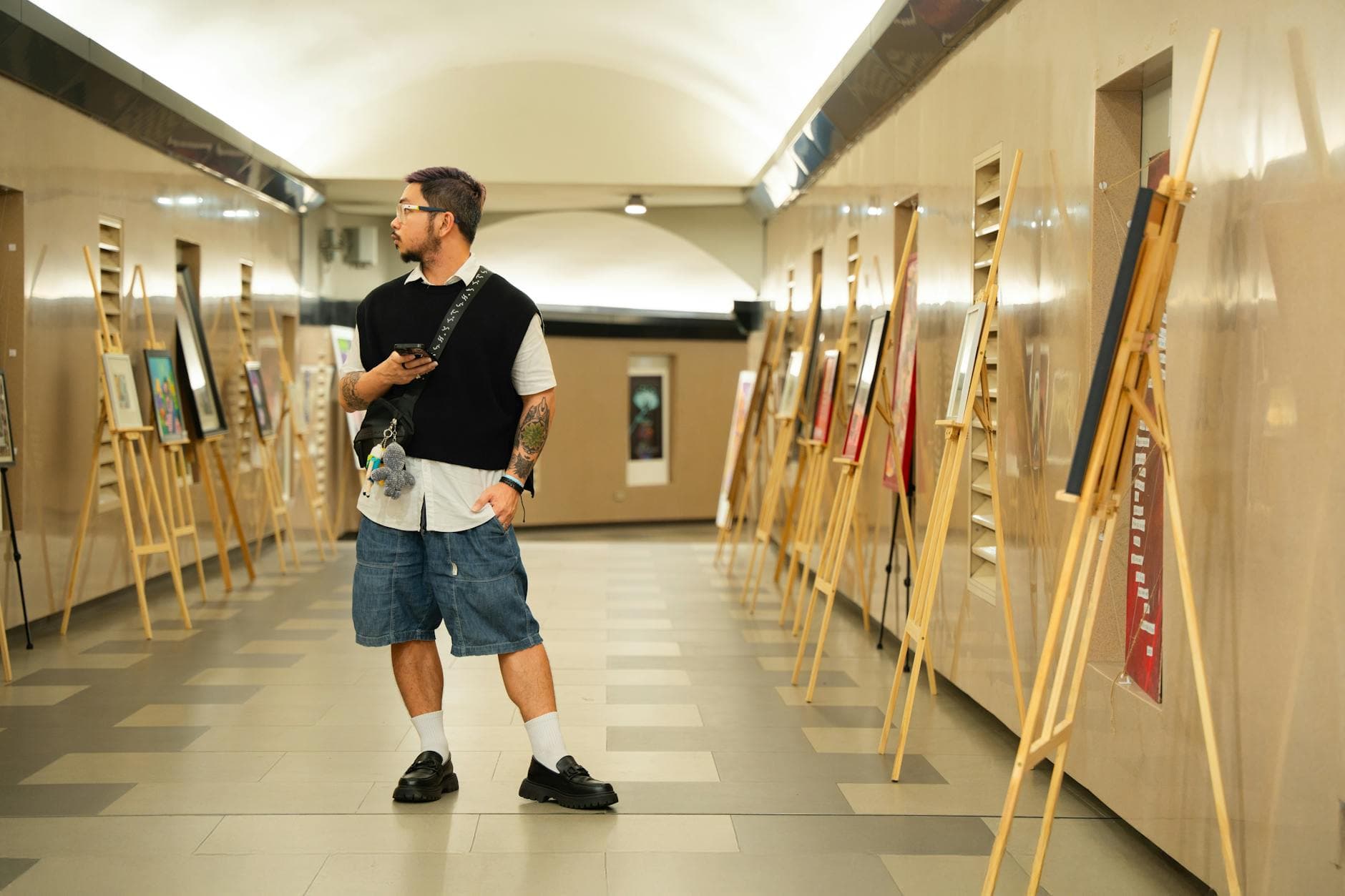
- Start at the SNF Parkway Theatre for the main exhibition experience.
- Move to Currency Studio to see how the show extends across the block.
- Return later in the month for the May 21 gallery walk and talkback.
- Leave time for the surrounding Station North corridor, where the festival’s energy spills into the district itself.
For anyone planning a visit, the structure is simple enough to navigate:
Why this month matters to Baltimore’s arts economy
The biggest effect of Asia North is not just symbolic. A month-long festival keeps a neighborhood in circulation for longer than a weekend event can, which means more chances for nearby businesses to benefit from the people drawn in by art, music and conversation. That sustained presence matters in Station North, where cultural programming helps shape the district’s identity as much as the district shapes the festival.
The 2025 edition, the seventh annual Asia North Exhibition and Festival, ran from May 2 through May 31 and was already treated as part of Asian American and Pacific Islander Heritage Month. The 2026 return builds on that momentum, but with a broader APIMEDA frame and a theme that links hospitality to history, labor and care. In a city still working to expand whose stories are centered in public life, Asia North makes a clear case that cultural celebration can also be neighborhood infrastructure.
By the time May ends, the festival will have done what the best Baltimore arts events do: it will have filled a district, connected communities and made a familiar corridor feel newly legible. In Station North, that kind of visibility is not decoration. It is part of how the city tells the truth about itself.
This article was produced by Prism’s automated news system from verified source data, official records, and press releases, then run through automated quality and moderation checks before publishing. The system is built and supervised by the people who set the standards it runs under. Read our full AI policy.
Did this article answer your question?


