Attorney General declines charges in fatal Baltimore police shooting of Jamal Muse
Maryland prosecutors cleared two Baltimore officers after deciding Jamal Muse’s fatal shooting did not meet the criminal threshold for charges. The case ended near an I-95 ramp in Southeast Baltimore.
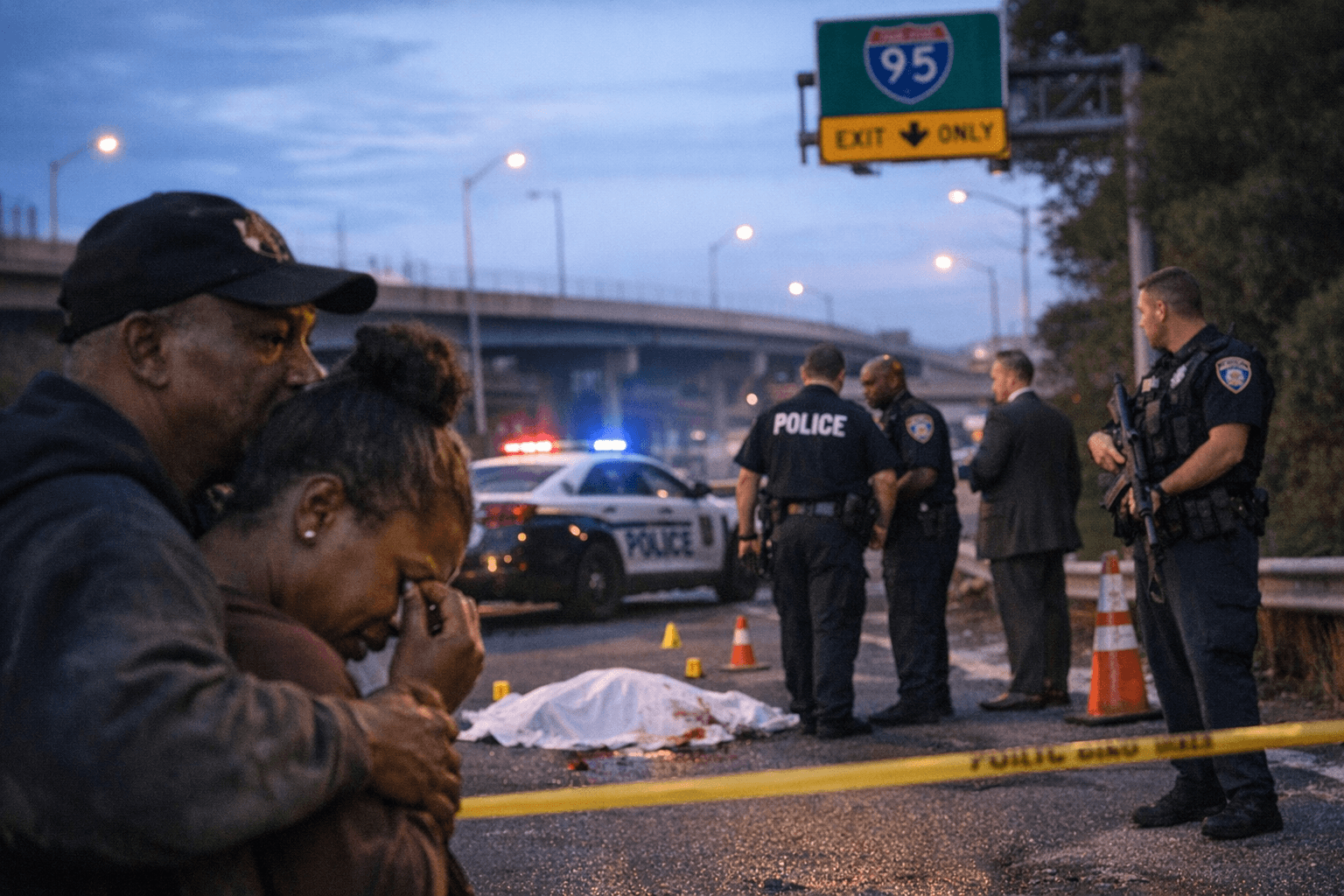
Maryland Attorney General Anthony G. Brown declined to seek charges against two Baltimore police officers after the state’s independent review concluded they did not violate Maryland law in the fatal shooting of Jamal Muse. The decision closed the criminal case the Maryland Office of the Attorney General opened after the January encounter, a review limited to whether officers faced criminal liability, not whether any civil claim or internal discipline might follow.
Police were sent about 9:14 p.m. to the 6800 block of Bank Street after a 911 caller reported that Muse was armed with a .357-caliber revolver and leaving on a white bicycle. Officers later spotted a man matching that description in the 6500 block of Eastern Avenue. Muse fled through parking lots and onto a nearby Interstate 95 southbound ramp, where the chase ended in a struggle with the first responding officer.
The declination report says that officer took Muse to the ground, where a fight broke out. During that struggle, Muse produced a handgun and fired it. Sergeant Carlos Arias and Officer Edwin Ruiz then fired their service weapons, striking Muse. Muse was pronounced dead at the scene, no officers were injured, and police recovered a handgun nearby.
The Independent Investigations Division finished its investigation on April 7 and released the report on April 13, after publicly releasing body-worn camera footage on February 5. The file says investigators reviewed forensic and autopsy reports, radio traffic, dispatch records, body camera video, photographs, department policies and witness interviews. Police had placed Arias and Ruiz on administrative duties while the review was pending, which is standard procedure.
The public evidence shows a fast-moving confrontation, but the legal question was narrower: whether prosecutors could prove a state crime by the officers. On the material the state reviewed, Muse was fleeing, a struggle followed, and he fired first before the officers returned fire. That gap between what residents can see on body camera footage and the criminal standard prosecutors must meet is where many Baltimore police-shooting cases turn.
The case also landed in a city still wrestling with crisis response and mental health. A neighbor told reporters Muse had mental health issues and that police were often called to the home, while city officials were discussing a community safe response system for non-violent, non-criminal mental-health calls. Maryland’s oversight system, meanwhile, continues to process a steady flow of fatal-force reviews, with the Independent Investigations Division opening 21 investigations and issuing 24 reports in 2025 alone.
This article was produced by Prism’s automated news system from verified source data, official records, and press releases, then run through automated quality and moderation checks before publishing. The system is built and supervised by the people who set the standards it runs under. Read our full AI policy.
Did this article answer your question?