Audit says AI ghost-student scam stole $264,000 from BCCC
Auditors say Baltimore City Community College paid about $264,000 in aid to 145 fake students, and real students could face tighter checks as the school rewrites its controls.
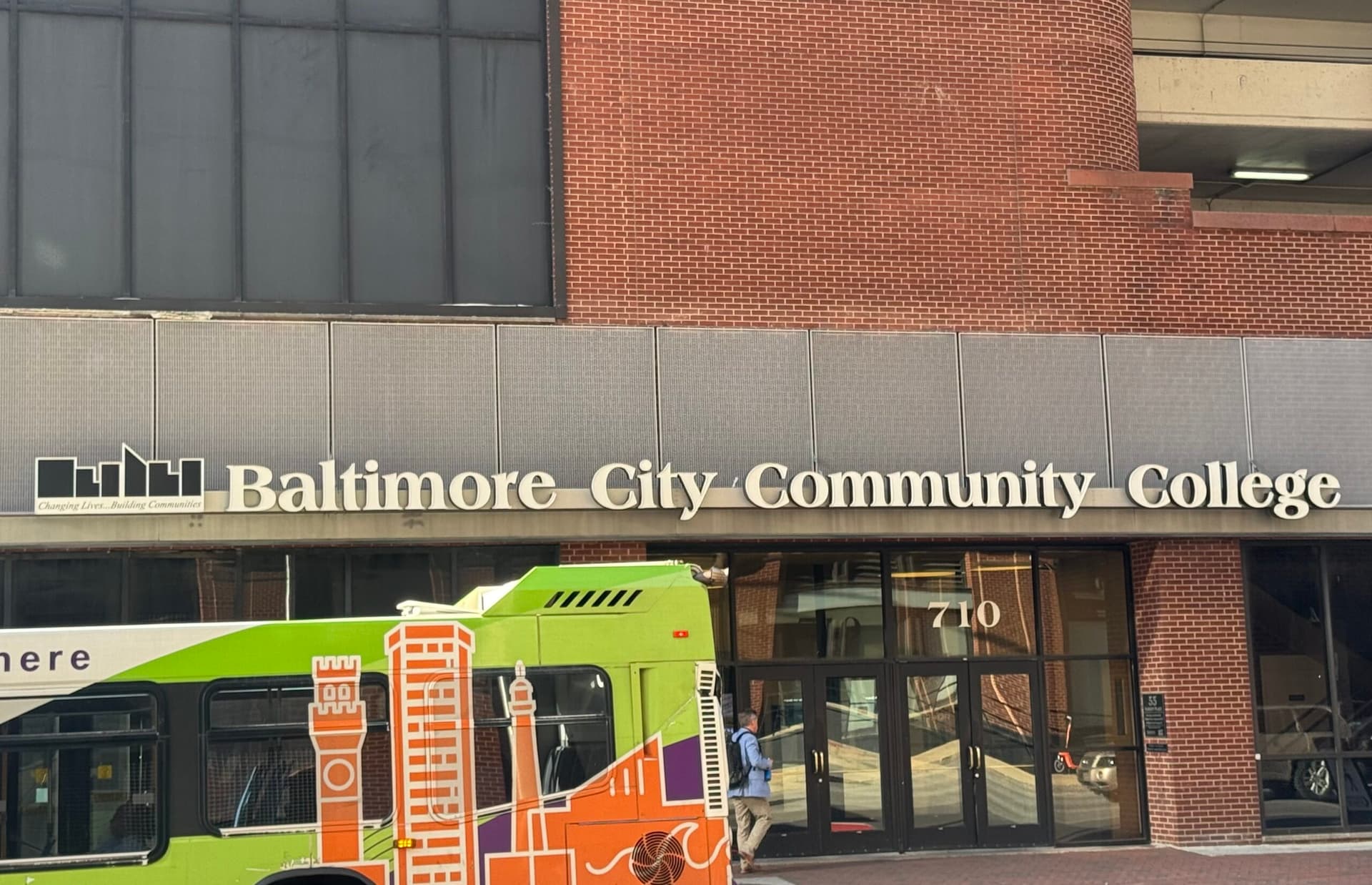
Baltimore City Community College paid about $264,000 in taxpayer-funded financial aid to 145 potentially fictitious students in a scam that used stolen identities and synthetic online applications to exploit mostly online classes, state auditors said.
The Maryland Office of Legislative Audits said the scheme worked because the fake accounts did not need to show up on campus. They only had to look real long enough to trigger federal and state aid. Auditors said BCCC first identified suspicious registrations in May 2024, but the college still awarded aid while documentation was pending.
The audit covered BCCC’s finances from Dec. 1, 2020, through June 30, 2025, and found the ghost-student problem was not the only control failure. Auditors also cited procurement and payroll problems, including missing documentation, failure to get certain required approvals and problems with how contract awards were published. Together, those findings painted a broader picture of weak oversight at a public college that serves Baltimore students and working adults seeking low-cost higher education.
BCCC President Debra L. McCurdy agreed with the findings in a written response dated May 29 and said the college planned to fix the problems by Oct. 31. The school said it is creating a centralized tracking process for accounts flagged as potentially fraudulent and will require documentation of review actions, status and resolution outcomes.
The college also said it will use system and manual holds to stop financial-aid disbursements until identity, enrollment and eligibility are verified and any conflicting information is resolved. BCCC said it plans to refer suspected cases to the U.S. Department of Education Office of Inspector General.
The audit said BCCC may be responsible for reimbursing the federal government for improperly awarded aid. It also said the college included the suspicious students in calculations for a funding request to the Maryland Higher Education Commission and had received $126,901 as of February 2026 tied to those students.
The scale of the scam matters beyond one campus. Ghost-student fraud, often powered by AI and stolen identities, has become a national problem as community colleges expand online offerings and institutions struggle to verify applicants fast enough. That vulnerability is especially sharp in places like Baltimore, where BCCC is a key entry point into college and workforce training.
For Baltimore City, the audit raises two questions at once: how much public money was lost, and how quickly the college can tighten verification without slowing aid for legitimate students who depend on it. The answer will shape whether this stays a one-time embarrassment or becomes a warning for other Maryland campuses with similar online systems.
This article was produced by Prism’s automated news system from verified source data, official records, and press releases, then run through automated quality and moderation checks before publishing. The system is built and supervised by the people who set the standards it runs under. Read our full AI policy.
Know something we missed? Have a correction or additional information?
Submit a Tip