Baltimore-area man nearly falls for $9.4 million sweepstakes scam
A caller promised Matthew Middleton $9.4 million and a Mercedes-Benz, then tried to sound official by name-dropping Reader’s Digest and Publishers Clearing House.
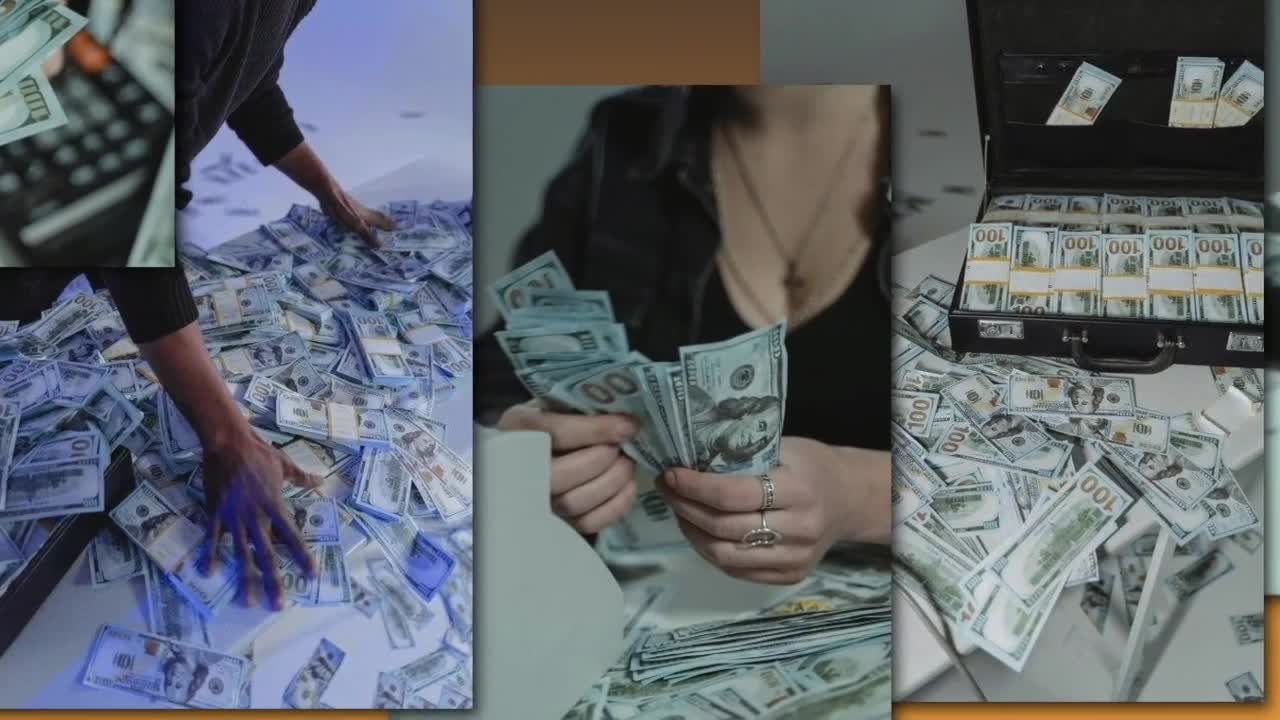
A Baltimore-area man came close to getting pulled into a prize scam that dangled $9.4 million and a brand new Mercedes-Benz, a pitch built to sound official enough to override suspicion.
The target was Matthew Middleton. A caller who gave his name as Dave Clark told Middleton he had won the money and the car, and said he was a sweepstakes advisor for Reader’s Digest and Publishers Clearing House. Middleton said he had entered the sweepstakes online, a detail the caller used to make the claim sound credible.
That is the first warning sign: scammers often start with an enormous prize and a familiar brand. They count on excitement, then layer in just enough detail to make the story feel routine. In this case, the mix of a life-changing cash award, a luxury vehicle and recognizable names was the bait.

The next warning sign is the demand for something up front. Maryland consumer guidance says legitimate sweepstakes do not require a purchase to enter or win, and requests for processing fees, delivery fees or pre-paid taxes are red flags that the prize is not real. The Federal Trade Commission says scammers may also ask for money or account information before they will release a prize, often while pretending to represent a real agency or well-known company.
The Baltimore case fits a pattern that has become hard to ignore. The National Consumers League said prizes, sweepstakes and free gifting were the top scam category in its 2024 report, accounting for 38% of reported scams. That makes the Middleton call part of a wider tactic, not an isolated oddity: promise a huge payoff, use an official-sounding title, then push for payment or private banking details.

For Baltimore residents, the safest response is to stop at the first sign of pressure. Do not send money, do not share account information and do not treat an unsolicited prize call as proof that anything is real. Check the claim through official company channels, and report suspicious sweepstakes pitches to the Maryland Attorney General’s Office, the Federal Trade Commission or the Better Business Bureau of Greater Maryland.
Know something we missed? Have a correction or additional information?
Submit a Tip