Baltimore audit finds more than $4 million in unpaid city bills
Baltimore’s finance records showed more than $4 million in unpaid leases, utilities and conduit bills, raising questions about vendors waiting and city collections controls.

Baltimore officials are facing a fresh accounting problem with real service consequences: an audit found more than $4 million in unpaid city bills sitting in the Department of Finance’s records, including leases, utilities and conduit payments that should have been tracked and paid.
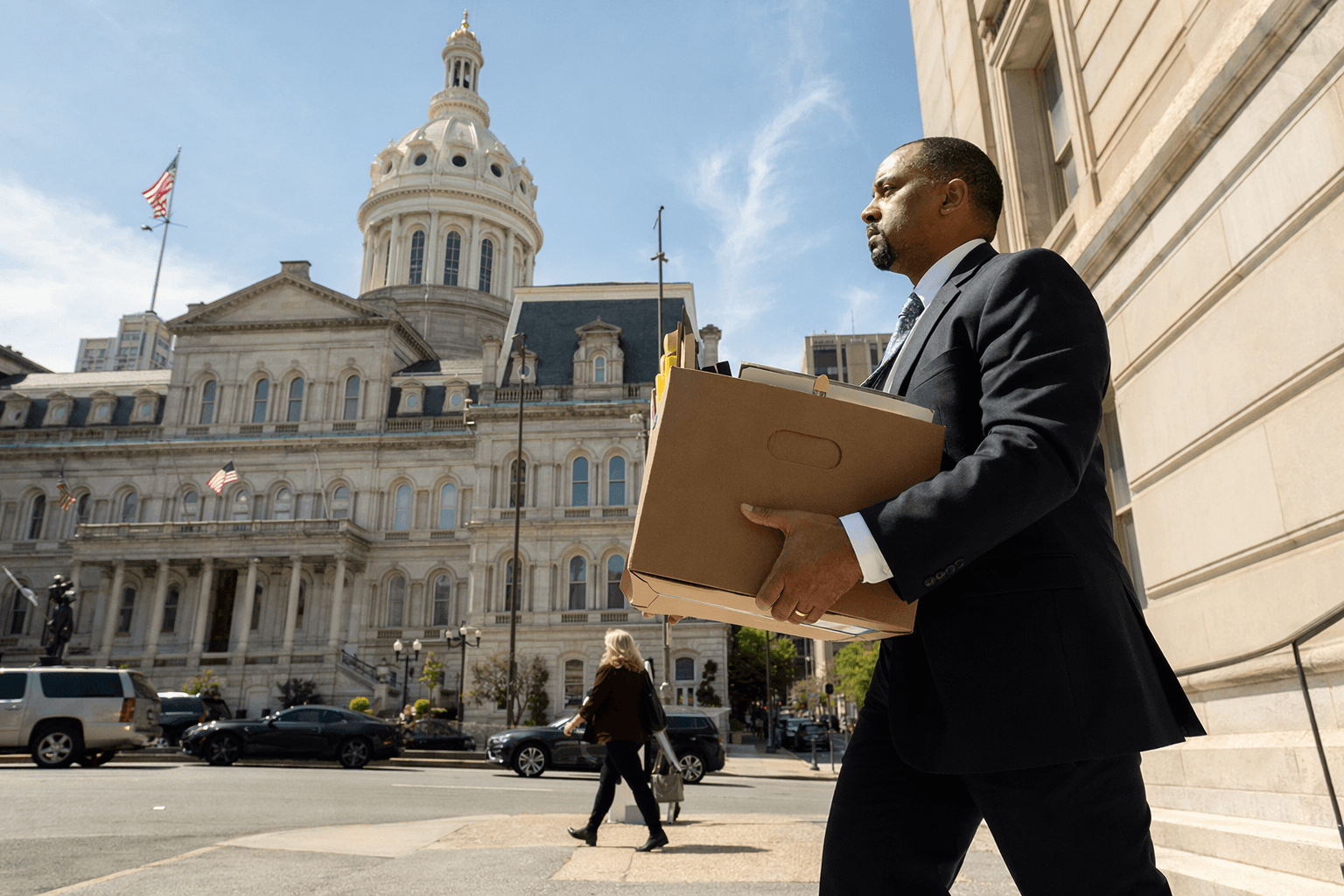
The findings came up at a tense Board of Estimates meeting at City Hall, where City Auditor Jason Pasch laid out how invoice errors and a backlog of unpaid obligations left Baltimore short on collections in 2023 and 2024. The audit does more than flag paperwork mistakes. It points to money that vendors and service providers were waiting on, while the city risked losing track of bills tied to basic operations.
Mayor Brandon Scott pressed finance officials on why Baltimore did not have an automatic policy to send delinquent bills to the law department or force follow-up on overdue accounts. Finance officials said they reviewed laws dating back to 1989 and found no city policy requiring that step. Michael Moxon, the finance director, said staffing shortages caused the problem and said those shortages have now been resolved. He also said the department has adopted new policies and recouped more than $4 million in unpaid bills last year.
Even with those assurances, the audit raises a broader question for taxpayers: whether Baltimore’s billing and collections systems were working as they should. The Department of Finance says it is responsible for collecting money owed to the city, including taxes, fines and citations, and for issuing liens. If invoices and lease payments can go unpaid for long stretches, the failure can ripple beyond one department and into the city’s ability to keep revenue flowing.
The Department of Audits, which describes itself as the city’s independent auditor, released the Department of Finance performance audit for fiscal years 2024 and 2023 on March 30, 2026. It was titled Evaluation of Controls Over Recording Accounts Receivable and Monitoring Receipts. The timing matters because Baltimore’s audit oversight commission has already approved a 2026 agenda that includes a Department of Law review of how the city collects unpaid bills, suggesting this is not being treated as a one-off lapse.

The Board of Estimates, which includes the mayor, city council president, comptroller, city solicitor and director of public works, is where major fiscal decisions move through City Hall. Its public dashboard includes data going back to 2022, offering another window into spending, contracts and oversight as Baltimore tries to show that the billing breakdown is being fixed, not simply patched.
Know something we missed? Have a correction or additional information?
Submit a Tip