Baltimore bill would let city padlock repeat-offender smoke shops
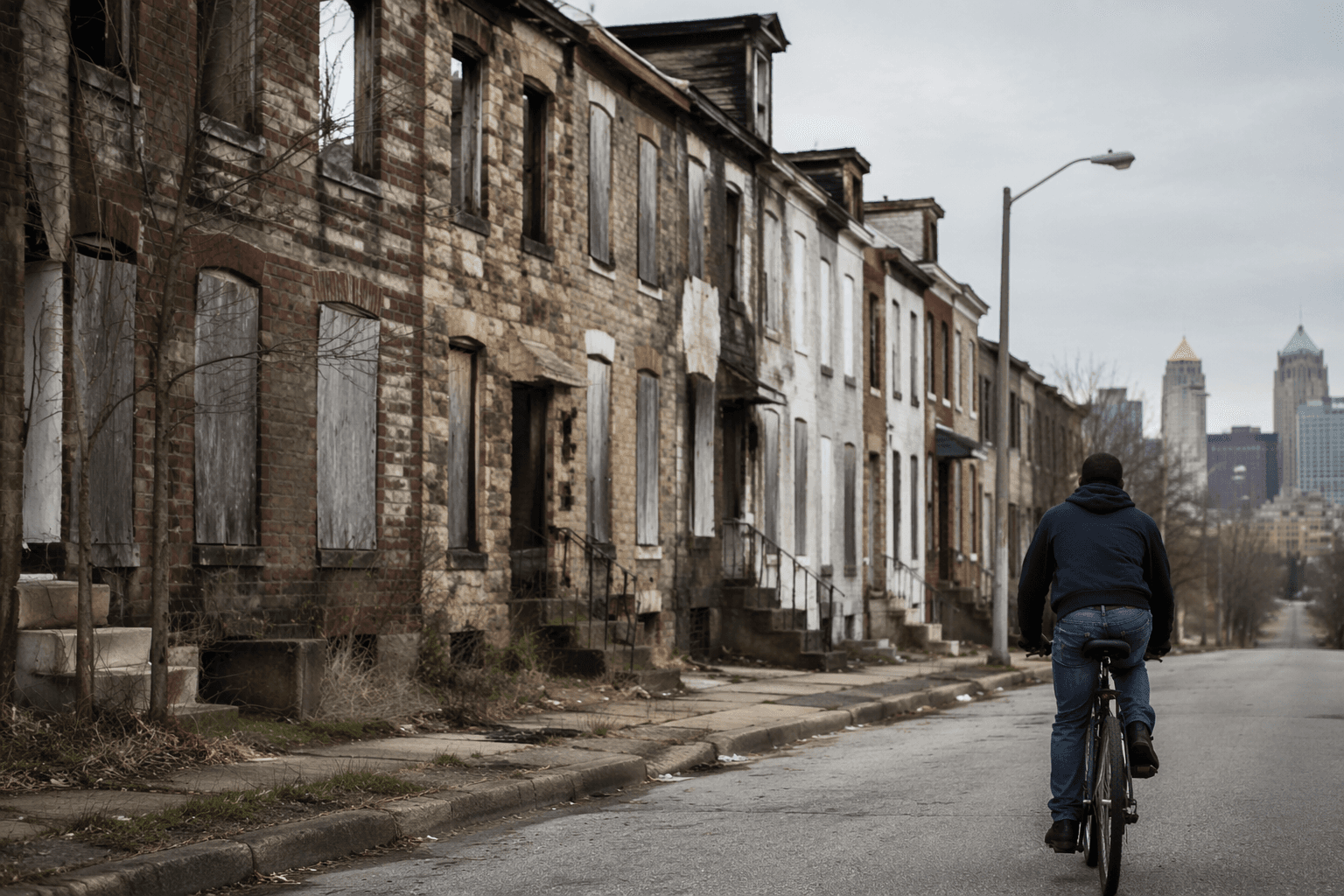
Baltimore leaders want to padlock repeat-offender smoke shops after two violations, targeting corridors like Monument Street where 16 shops crowd three blocks.

Baltimore is moving beyond fines and warning letters, with a new bill that would let city officials padlock smoke shops deemed public nuisances after two documented violations. The proposal would still require notice and a hearing, but it marks a sharp escalation for businesses accused of repeatedly selling illegal cannabis, controlled substances, and products being sold to children.
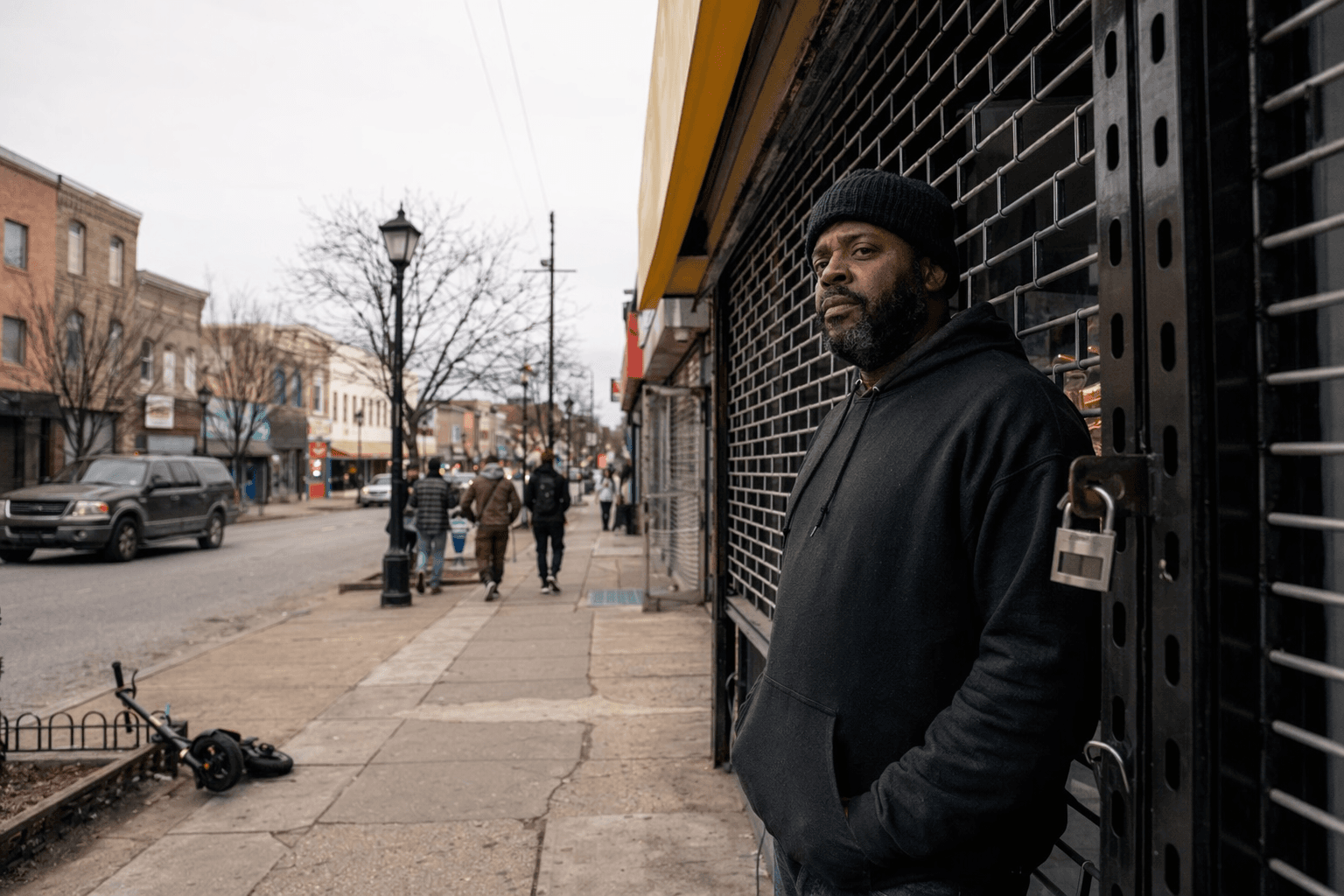
The push has become especially pointed along Monument Street. Councilmember Antonio Glover said 16 smoke shops operate within a three-block radius there, a concentration he said has hurt nearby quality of life and public safety. The issue is not just the number of stores; it is the way repeat violations can shape a corridor, giving lawful businesses next door a harder time while drawing complaints about loitering, nuisance behavior, and illegal sales around homes, schools, and family spaces.
Baltimore already has a nuisance-abatement law on the books. City code allows officials, after finding a public nuisance, to order it stopped or close the premises to the extent needed to abate it. The new smoke shop bill would use that framework more aggressively, creating a clearer path to shutting down shops that keep violating the rules rather than treating fines as a manageable cost of doing business.
City leaders have been laying the groundwork for that approach since October 27, 2025, when the Baltimore City Council announced a three-part smoke shop legislative package. That package included a hearing resolution sponsored by Glover, a use-standards bill sponsored by Zac Blanchard, and a display-luminance bill sponsored by Jermaine Jones. The city said the hearing would examine smoke shop concentration in specific neighborhoods, youth behavior, health outcomes, and local safety.
The enforcement case for tougher action has also been strengthened by what city officials say they can and cannot do now. At a March 19 hearing, the Baltimore City Health Department said it had one enforcement officer writing citations and had issued just under 200 citations in the prior year for underage tobacco sales. Officials also said police and other agencies lacked authority to shut down some businesses selling illegal products. Days earlier, on March 18, police raided a smoke shop at East Monument and North Chester streets and seized about two pounds of suspected cannabis. Police said the store was not licensed as a dispensary.
The broader debate has widened as city leaders confront the scale of the industry. CBS Baltimore reported in late April that Baltimore had at least 1,200 smoke shops, with the highest concentration in low-income areas. On April 27, the council unanimously advanced separate restrictions, including a 750-foot buffer from schools, recreation centers and parks, with existing shops in those areas given two years to close if the measure becomes law. Council President Zeke Cohen said Baltimore would be "aggressive" about the proliferation of smoke shops, setting up a test of whether stronger nuisance powers can change conditions on blocks like Monument Street or simply push the problem elsewhere.
This article was produced by Prism’s automated news system from verified source data, official records, and press releases, then run through automated quality and moderation checks before publishing. The system is built and supervised by the people who set the standards it runs under. Read our full AI policy.
Did this article answer your question?