Baltimore Black Sox park planned for Westport waterfront in South Baltimore
Statues honoring the Baltimore Black Sox are planned for Westport’s Middle Branch waterfront, tying Negro League history to South Baltimore redevelopment.

A waterfront park in Westport is planned to place statues honoring the Baltimore Black Sox along the Middle Branch of the Patapsco River, turning a long underused stretch of South Baltimore into a public stop tied to Negro League history. The memorial is being developed by Parks & People with the South Baltimore Gateway Partnership as part of Reimagine Middle Branch, the 11-mile waterfront effort running from Cherry Hill through Westport to Port Covington, now known as Baltimore Peninsula. The larger question for Westport is whether the project will deliver more than symbolism and give nearby residents a park that feels useful, visible and publicly owned.
The Baltimore Black Sox were founded in 1913 and began playing in Westport in 1917. Their best season came in 1929, when they won the American Negro League pennant with a 61-28 record, a mark that still anchors the team’s place in the city’s baseball history. Over the years, the Black Sox played home games at Maryland Park, Westport Park and Bugle Field, keeping the team rooted in the same corridor now being remade around the waterfront.
The team’s roster also connected Baltimore to some of Black baseball’s biggest names. Satchel Paige and Leon Day were among the players associated with the Black Sox, and a National Park Service profile of Day says he grew up watching the team play in the Westport area. That connection gives the memorial a local reach that goes beyond a plaque or archive display, placing the city’s Negro League history in a neighborhood where children and families can see it in open space.
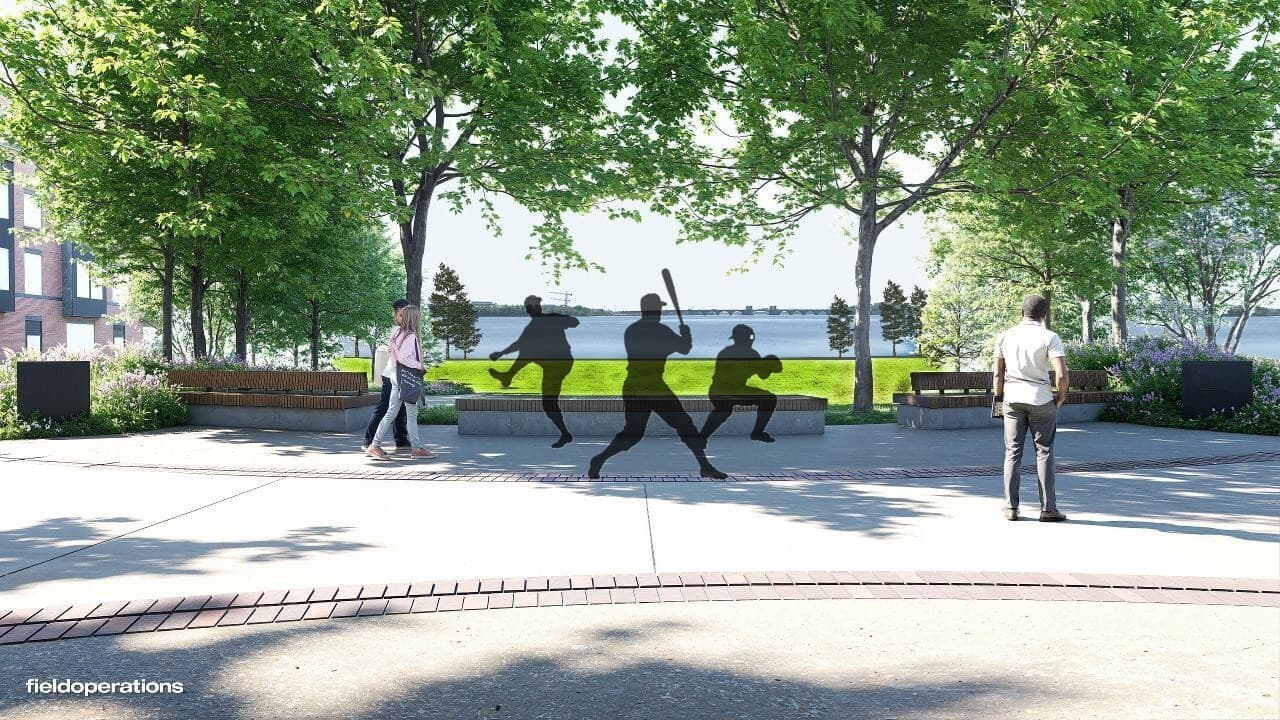
Brad Rogers, executive director of the South Baltimore Gateway Partnership, has described the park as part of a broader effort to transform the waterfront and reconnect the neighborhood with its history. Reimagine Middle Branch says the memorial is intended to become part of a new African American Heritage Trail tied to its equitable-development framework, linking public art to a wider plan for the corridor. In practice, that puts the project in the middle of a familiar Baltimore debate: whether a waterfront redevelopment project will be judged by the heritage it honors or by the day-to-day benefits it leaves behind for Westport residents.
This article was produced by Prism’s automated news system from verified source data, official records, and press releases, then run through automated quality and moderation checks before publishing. The system is built and supervised by the people who set the standards it runs under. Read our full AI policy.
Did this article answer your question?

