Baltimore budget proposes 144 DPW job cuts amid sewer overhaul
Baltimore wants to cut 144 Public Works posts, mostly in sewer work, while adding 16 mayor’s office jobs, sharpening the fight over who gets protected.
Baltimore’s next budget puts two priorities on a collision course: 144 Department of Public Works positions on the chopping block, most of them tied to stormwater and wastewater, while 16 more jobs would be added inside the mayor’s office. The preliminary Fiscal Year 2027 plan, released by Mayor Brandon Scott on April 1, also raises the city’s recommended budget to $4.98 billion, up $354.9 million, or 7.67%, from the adopted FY2026 budget.
Scott has cast the proposal as one that “invests in strengthening core services” and “modernizing public infrastructure” while closing a $12 million gap. But the staffing split has given the budget a sharper political edge, especially as the city continues to lean on Public Works for trash pickup, street cleanup, drainage and sewer work that residents notice when it slips.
The pressure is even greater because Baltimore is still operating under its modified sanitary sewer consent decree, entered on October 6, 2017. The decree is supposed to drive long-term upgrades to pipes, pumps and other sewer infrastructure to reduce overflows and improve Baltimore waterways, public health and neighborhoods. City officials posted a revised Phase II plan for public comment through October 1, 2025, and in January they were seeking to push completion of the work to 2046, a 16-year extension from the 2030 target DPW had been using.
That is the backdrop for a staffing cut that union leaders say makes little sense. Stancil McNair, president of AFSCME Local 44, said at a late-April union meeting that he had not gotten transparent answers about what the reductions would mean for workers. Rank-and-file members also directed anger at city government and at AFSCME leadership, reflecting how fraught the debate has become inside the department. Local 44 represents about 2,300 city sanitation, wastewater and other blue-collar employees.
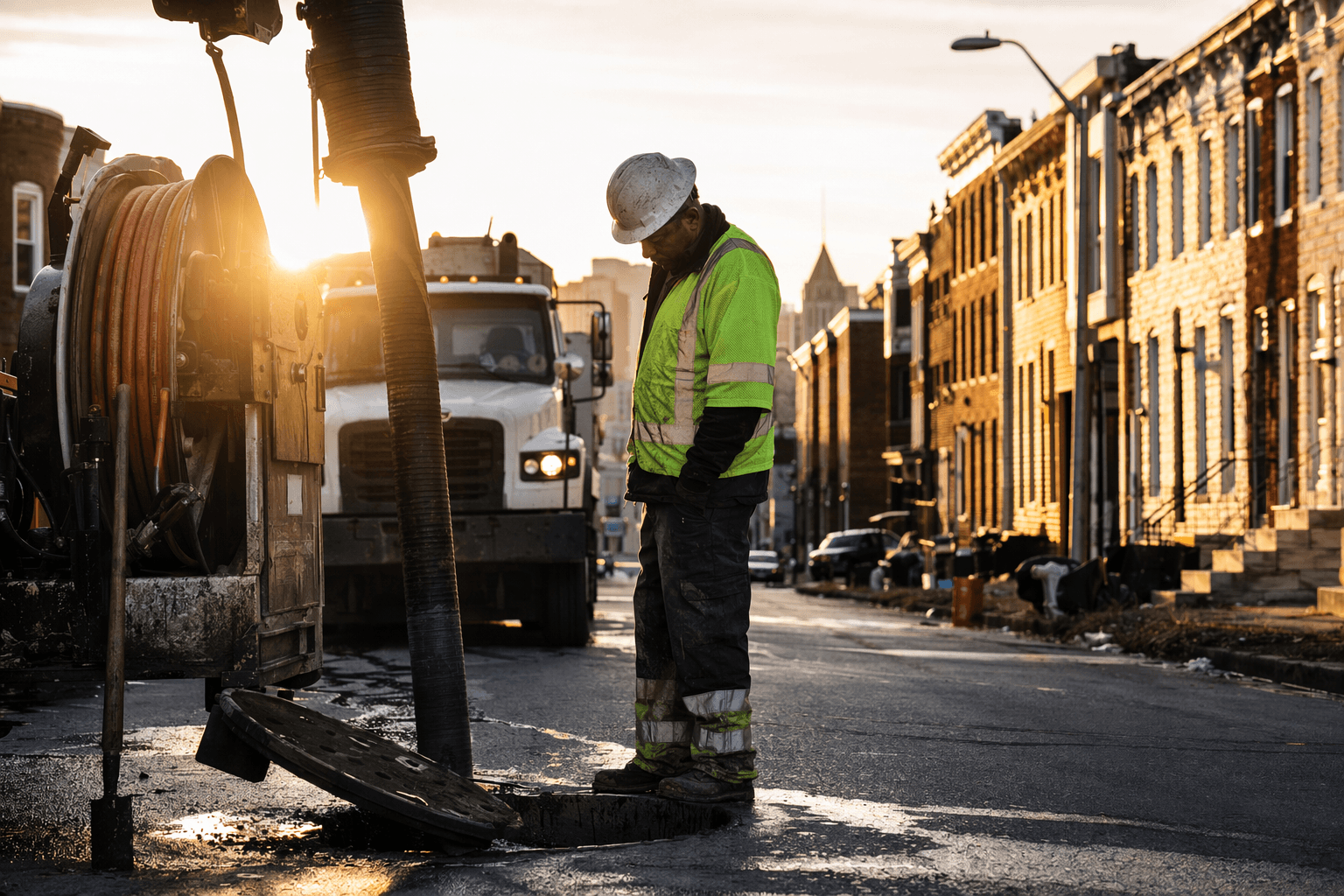
The financial stakes are not abstract. Reporting in January showed Baltimore’s wastewater bill increase in 2025 was 18.06%, pushing average total utility charges to about $160 a month for a family. DPW has argued that stretching the timeline is needed to keep rates “affordable,” even as the city remains under pressure from federal and state regulators to keep moving on sewer repairs.
DPW says the changes will not hurt service. The agency says no layoffs or terminations are tied to the proposal, and that many of the abolished positions have been vacant for more than three years. It also says it is eliminating jobs that no longer fit operational needs while creating more specialized roles, and the broader budget adds 15 new crews for solid-waste work.
The line that now matters is whether Baltimore can protect the people and systems that keep the city moving, even as City Hall grows larger and Public Works gets smaller.
This article was produced by Prism’s automated news system from verified source data, official records, and press releases, then run through automated quality and moderation checks before publishing. The system is built and supervised by the people who set the standards it runs under. Read our full AI policy.
Did this article answer your question?