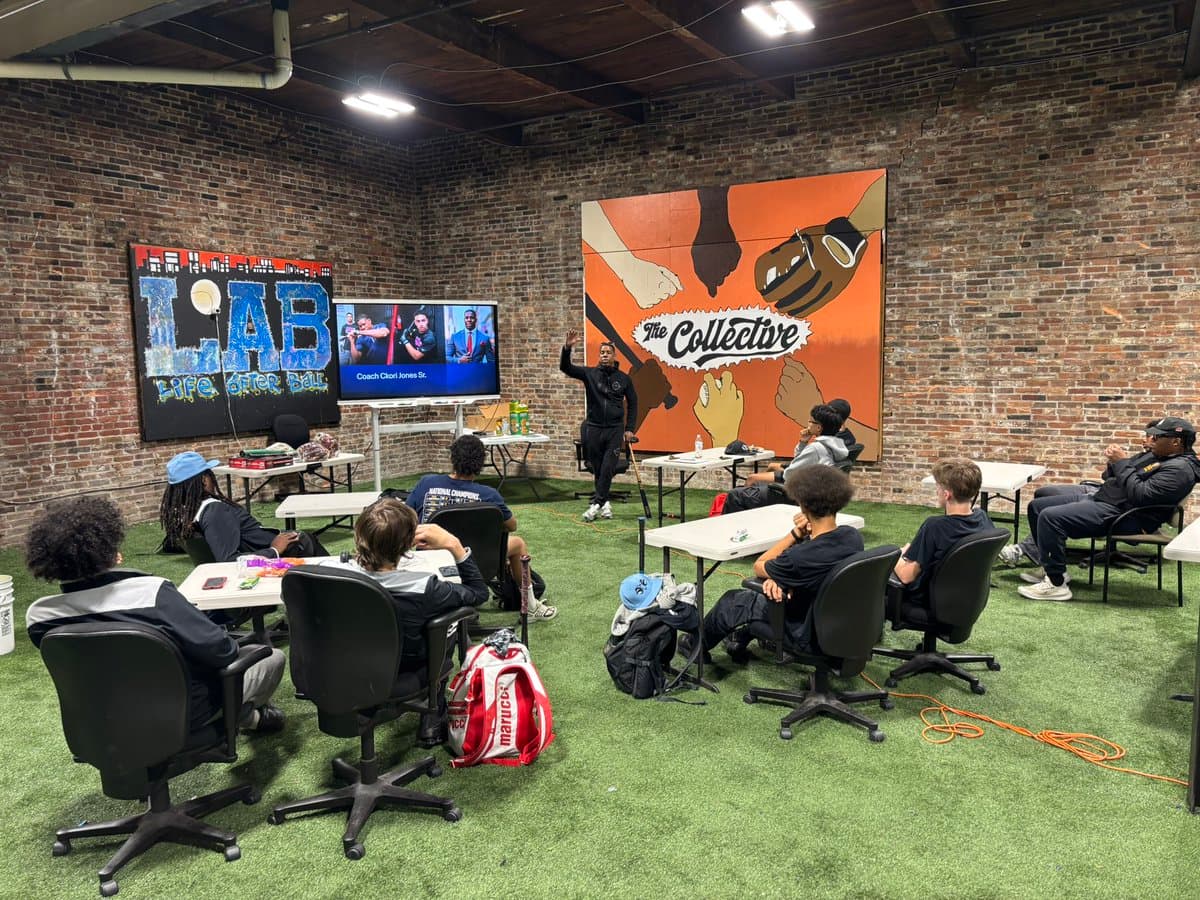
Baltimore City schools celebrate apprenticeships, pathways to careers and healthcare
Baltimore City schools marked new apprenticeship graduates as a test of whether phlebotomy and other work-based paths can lead to real wages, certifications and career starts.

Baltimore City Public Schools ended the school year by celebrating a new class of apprenticeship graduates, putting a spotlight on whether the district’s career pathways can do more than boost morale and actually move students into jobs with staying power. The celebration came as City Schools pushes work-based learning as a central part of its college-and-career strategy, not a side option for students who are not headed straight to a four-year campus.
One of the clearest examples came from Victoria Martinez of Dunbar High School, who completed a phlebotomy apprenticeship. Martinez said the experience gave her more than a technical skill. It helped her build confidence, resilience and a deeper understanding of what it means to care for other people. In a city where many families know the gap between school and a stable paycheck all too well, that matters. A healthcare apprenticeship that leads to a recognized skill can open a door into hospitals, clinics and lab settings that often need dependable entry-level workers.
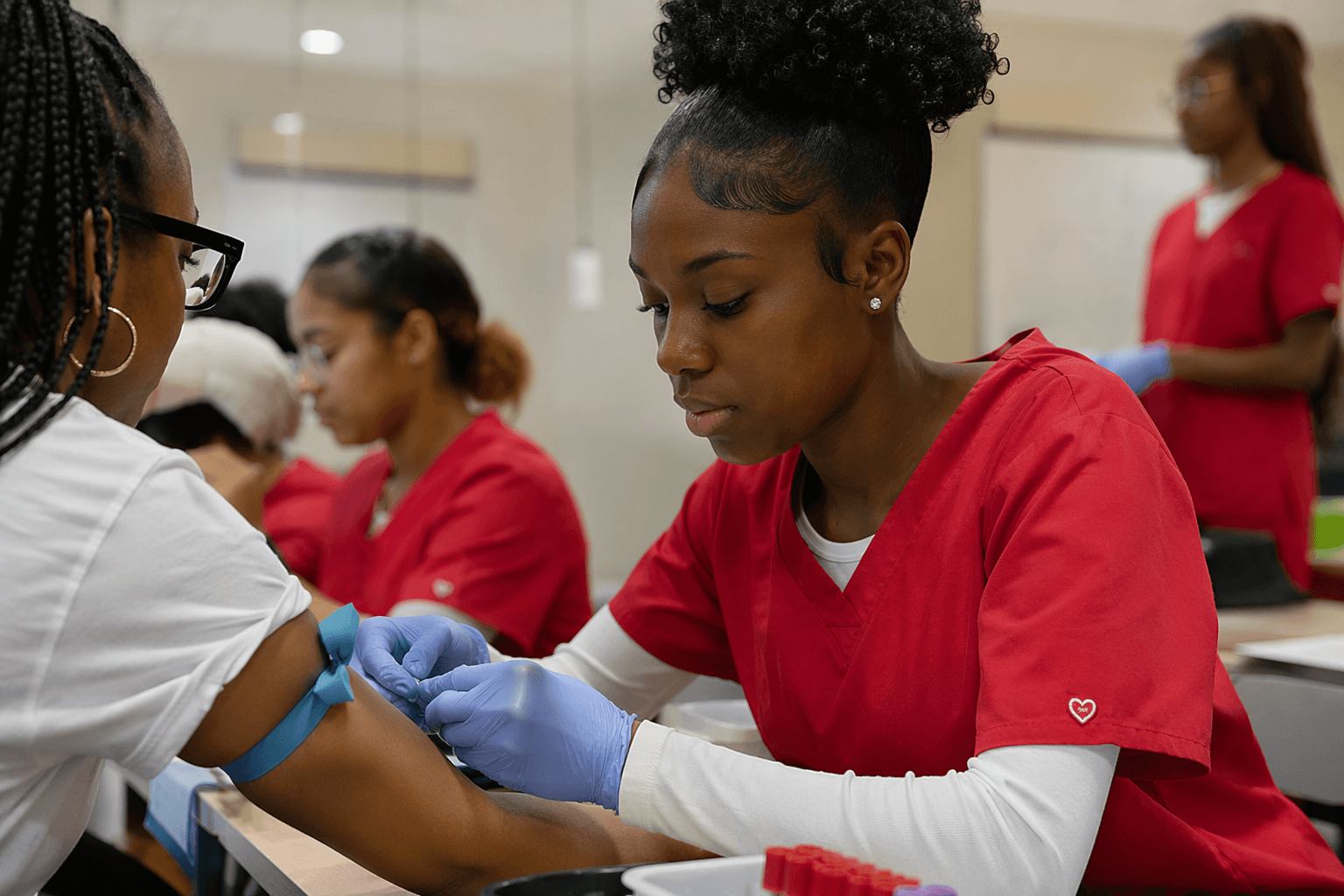
City Schools says its career-readiness work is meant to give students real work-based learning, build professional networks and help them leave high school with more than a diploma. The district says its career and technical education programs can lead to an industry-recognized certification, and it wants every student to have some kind of work-based learning experience. Its career-readiness partnerships page lists 10 CTE Pathway Advisory Committees, a sign that employers are being asked to help shape what students learn and how they are prepared.
The state’s Apprenticeship Maryland program gives Baltimore City students a formal route into that system. Youth apprentices must work at least 450 hours with a certified employer, usually during the summer after junior year and during senior year, while also completing related classroom instruction and employability training. Maryland says the apprenticeship office traces its roots to 1962, and the Office of Apprenticeship was established in 2025. State leaders have also poured money into expansion, including a $6.6 million federal grant announced in 2023.
The stakes are rising. City Schools says that by 2030, 45% of seniors will need to complete a youth apprenticeship or earn an industry certification to meet new college and career standards. CareerBound, the regional workforce effort tied to Baltimore students, says its tracks include healthcare, construction, IT, advanced manufacturing, public safety, business and finance, and it is projected to serve more than 8,000 youth by 2030.
The question now is not whether Baltimore can stage a graduation ceremony. It is whether students like Martinez leave with a real bridge to wages, credentials and long-term support, especially those at Dunbar and other city schools who most need a path that starts earning before college ever does.
This article was produced by Prism’s automated news system from verified source data, official records, and press releases, then run through automated quality and moderation checks before publishing. The system is built and supervised by the people who set the standards it runs under. Read our full AI policy.
Did this article answer your question?