Baltimore Community Raises $11,000 to Save Harford Road Record Store, Venue
Andrew Phillips thought he'd lose Wax Atlas after a $1,450 BGE fee and storm damage. Baltimore raised $11K in under 24 hours to keep it open.
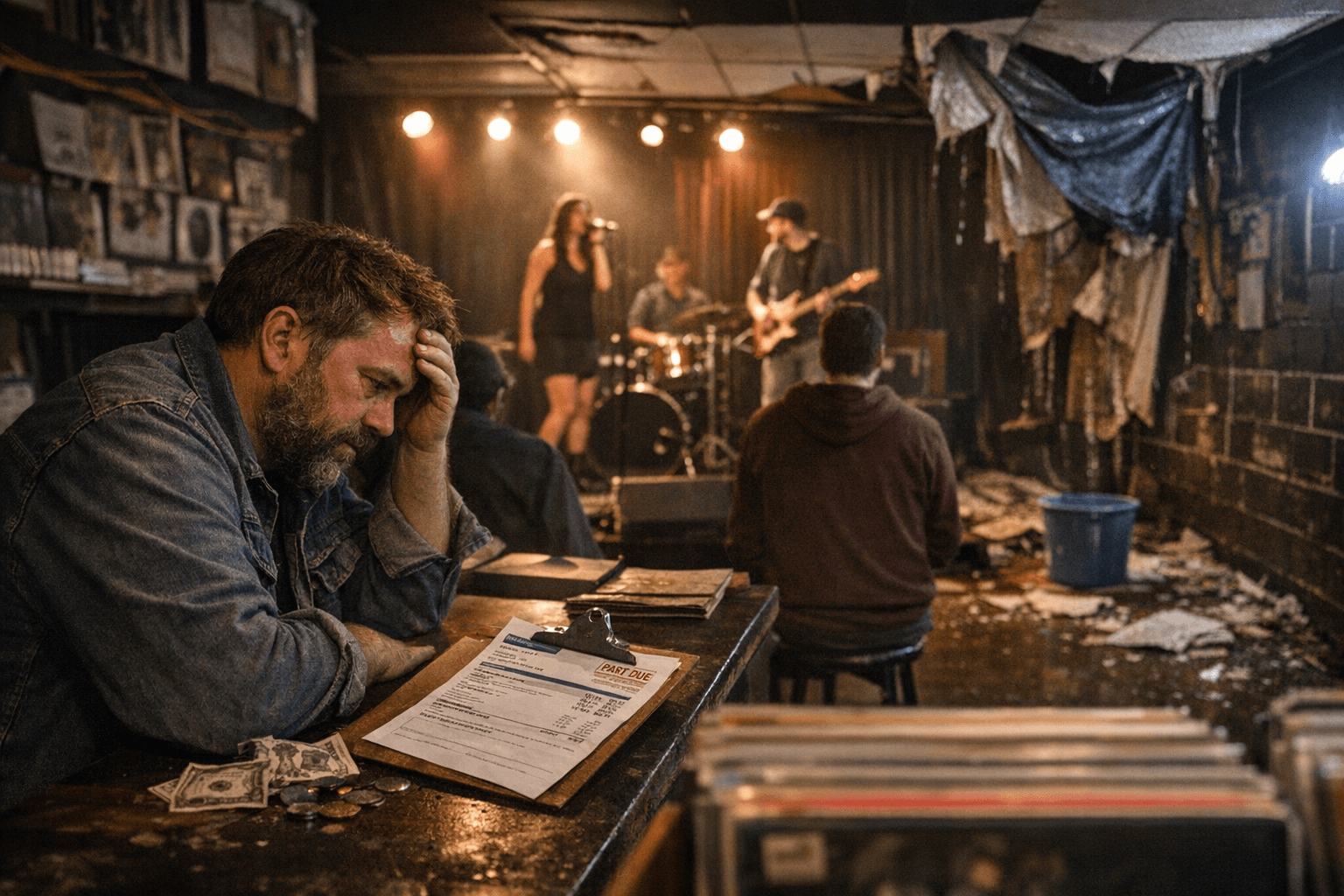
Andrew Phillips thought he was about to lose the lights at Wax Atlas. The Harford Road record store and music venue had received a utility shut-off notice from BGE, and storm damage had knocked out the store's sign and left the stage in need of repairs. The combined financial pressure threatened not just the business, but an upcoming schedule of shows that artists, sound technicians, and fans were counting on.
Phillips went public with the emergency and launched a GoFundMe. What followed surprised even him. "My mind was blown when I checked it. 24 hours later, I checked, and we were over halfway to our goal," he said. By the time the campaign closed, the community had contributed more than $11,000, enough to cover the BGE bill, which carried an extra $1,450 in late and adjustment fees, fund the stage repairs, and replace the damaged sign.
The response reflected how much Wax Atlas has embedded itself on Harford Road in a short time. In under three years, the space has hosted more than 300 events, running as a used-record store by day and a live music venue by night. Phillips has built it as a pipeline for emerging Baltimore musicians, funneling record-sale revenue back into arts programming and offering a stage where young bands can develop an audience before moving to larger rooms.
The shut-off notice threatened that entire ecosystem. Canceled shows would have rippled through performers, crew, and a local music scene that depends on intimate venues for early-career momentum. Patrons and performers who donated to the campaign described Wax Atlas not as a retail business but as a cultural anchor.
The $11,000 resolved the immediate crisis. It did not rewrite the underlying economics. Phillips and his donors acknowledged the venue's longer-term stability will require volunteer labor for ongoing repairs, partnerships with neighboring businesses, and access to local grants or philanthropic funding. Crowdfunding kept the lights on; sustaining them is a different challenge.
Small venues nationwide have faced similar pressure, squeezed by rising rents, steeper operating costs, and unpredictable utility bills. In Baltimore, where the ladder from small room to mid-size stage is already short, losing a space like Wax Atlas would narrow it further. The $11,000 from hundreds of neighbors was a vote of confidence; turning that into a durable model is the work still ahead for Phillips.
This article was produced by Prism’s automated news system from verified source data, official records, and press releases, then run through automated quality and moderation checks before publishing. The system is built and supervised by the people who set the standards it runs under. Read our full AI policy.
Did this article answer your question?