Baltimore Declared Code Blue Extreme Cold Alert for City
On December 29, 2025, Baltimore City Health Commissioner Dr. Michelle Taylor declared a Code Blue Extreme Cold alert for the morning of Tuesday, December 30, citing forecasted wind chills in the teens and elevated risk of hypothermia and frostbite. The alert mobilized shelters, outreach teams, and urged residents to check on neighbors and connect people experiencing homelessness to shelter resources and hotlines.

Baltimore city officials moved to protect vulnerable residents after a Health Department alert issued December 29, 2025 warned of dangerously cold conditions for the morning of December 30. Health Commissioner Dr. Michelle Taylor declared a Code Blue Extreme Cold alert when forecasted wind chills were expected to fall into the teens, meeting the Code Blue threshold of a forecasted wind chill below 13 degrees or similarly dangerous conditions.
The declaration triggered a series of standard public-safety actions intended to reduce the risk of hypothermia and frostbite among people who are unsheltered, elderly, medically frail, or otherwise vulnerable. City guidance emphasized shelter availability, outreach by service providers and street teams, and steps residents can take to check on neighbors and connect people to help. The Health Department provided contact information and urged use of shelter resources and cold-weather hotlines during the extreme cold period.
Extreme cold events like this one carry immediate public health consequences. Prolonged exposure to temperatures and wind chills in the teens accelerates heat loss and significantly raises the risk of life-threatening hypothermia and frostbite. For people experiencing homelessness, limited access to warm clothing, transportation barriers, and constrained shelter capacity make these risks more acute. Outreach teams and emergency shelters serve as first-line interventions, but the alert underscores persistent gaps in safety net reach and capacity during severe weather.
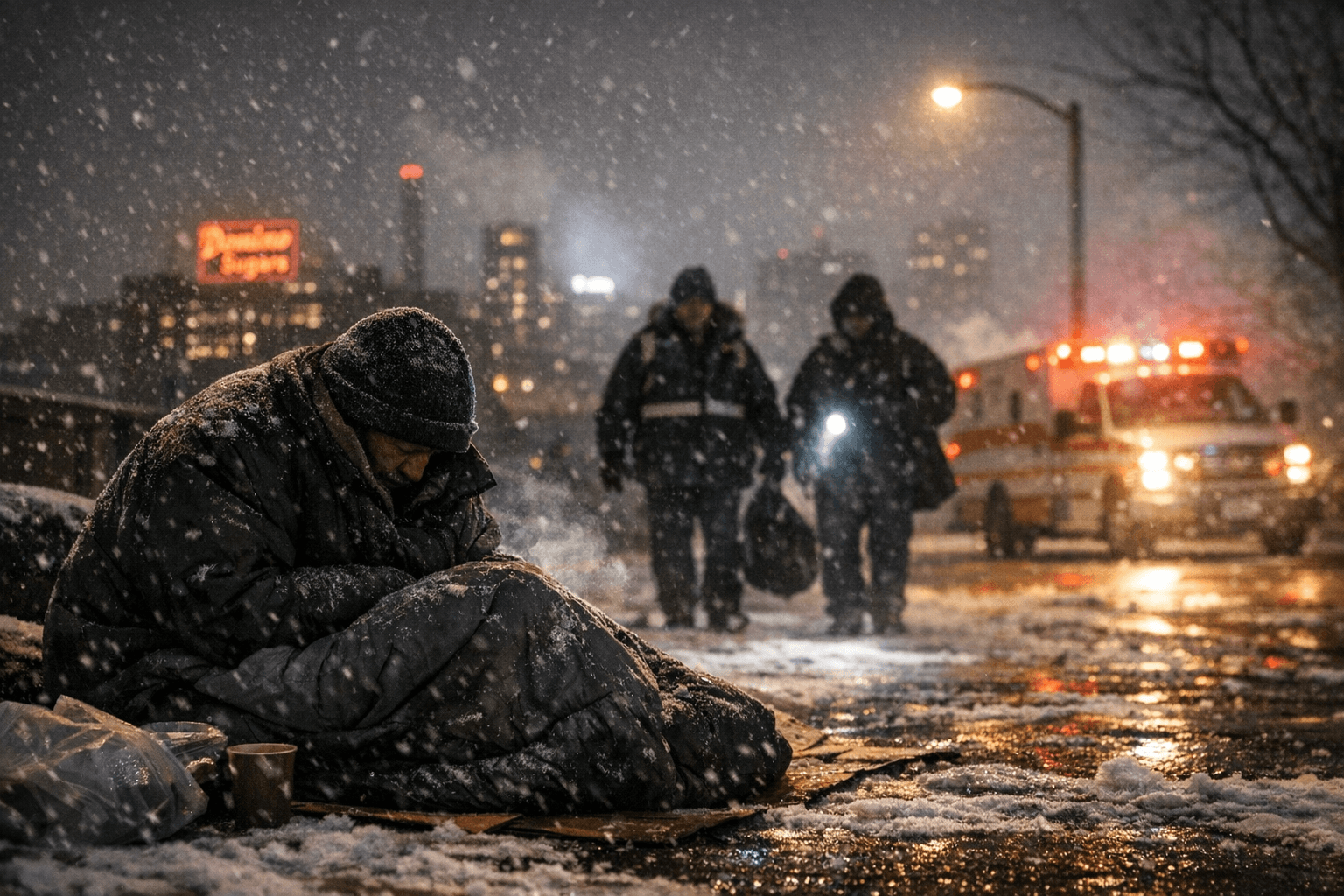
Beyond the short-term emergency response, the alert highlights longstanding equity and policy issues that shape who is most affected by extreme weather. Investment in expanded shelter capacity, coordinated warming centers, rapid-response outreach funding, and long-term housing solutions are public health measures as much as social policy. Ensuring that older adults and people with chronic health conditions can stay warm at home also requires supports such as utility assistance and accessible transportation to communal spaces.
City officials advised residents to check on neighbors, especially older adults and those with mobility or health challenges, and to connect anyone in need with shelter services and the Health Department contacts provided in the release. As winter persists, public health advocates say preventing cold-related illness will depend on both timely emergency response and sustained policy commitments to reduce housing instability and protect those most at risk.
This article was produced by Prism’s automated news system from verified source data, official records, and press releases, then run through automated quality and moderation checks before publishing. The system is built and supervised by the people who set the standards it runs under. Read our full AI policy.
Did this article answer your question?