Baltimore expands Community Action Lab to Southeast with $81,000 funding
Baltimore is sending Community Action Lab into the Southeast with $81,000, even though the Northern District pilot has not yet shown formal results.

Mayor Brandon M. Scott opened applications for Baltimore’s second Community Action Lab cohort, expanding the city’s resident-led safety effort into the Southeastern District with $81,000 in funding. The move comes before the first Northern District cohort has finished its 12-week run, leaving the city without formal outcomes from the pilot.
The Community Action Lab is a 12-week, paid, in-person leadership course that trains residents, community partners and small business owners in community organizing, violence prevention, neighborhood improvement and data-informed problem-solving. The second cohort will run from Aug. 31 through Nov. 20, 2026, and participant stipends, technical assistance and neighborhood improvement projects are included in the funding package. About 80% of the money goes directly to community efforts.
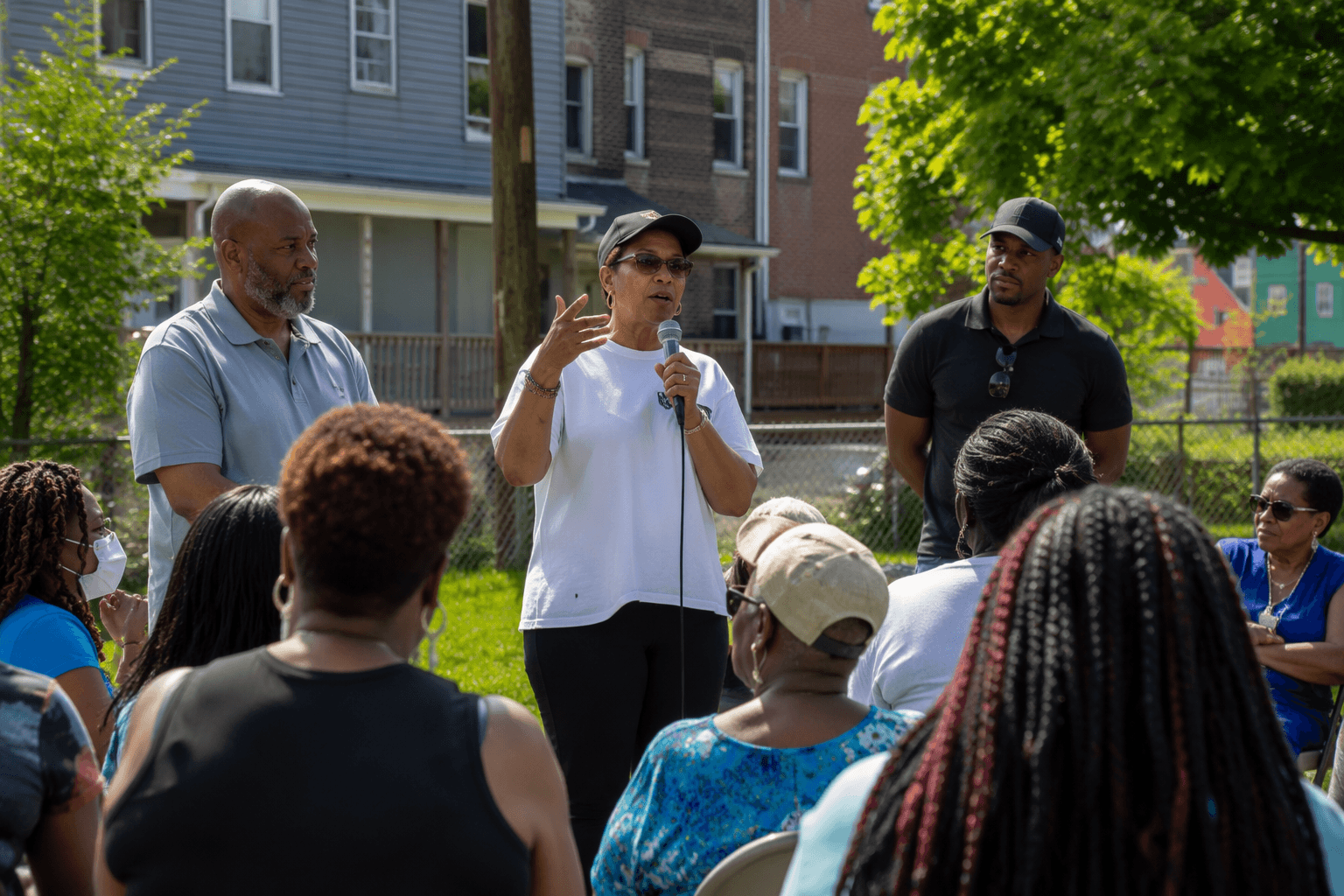
The program is a partnership between the Mayor’s Office of Neighborhood Safety and Engagement, the Baltimore Police Department and the Baltimore City Innovation Team. The University of Baltimore, the Newark Public Safety Collaborative and SafeGrowth provided input on the program. The city launched the first cohort in April in the Northern District, where 17 participants were chosen from more than 100 applicants and came from neighborhoods ranging from Park Heights to Hampden.
The Community Action Lab sits inside Baltimore’s Neighborhood Public Safety Plan, which was previously called the Neighborhood Policing Plan, and the larger Comprehensive Violence Prevention Plan. The city approved the first CVPP in 2020 and Scott released it on June 25, 2021; Baltimore is now developing a second five-year roadmap that would guide violence-prevention work through 2031 and add a specific focus on Youth Justice. Public listening sessions for the draft plan began June 24, with a virtual session on June 29.
Scott pointed to falling violence numbers to support the city’s broader approach. On July 1, he said Baltimore had recorded 50 homicides in the first half of 2026, the fewest ever through June 30, along with a 23.1% drop in homicides and a 2.5% drop in nonfatal shootings compared with the same period in 2025. He also said the city finished 2025 with 133 homicides, the lowest annual total since 1978. MONSE, created in December 2020 to replace the Mayor’s Office of Criminal Justice, remains the city’s lead agency for that work.
This article was produced by Prism’s automated news system from verified source data, official records, and press releases, then run through automated quality and moderation checks before publishing. The system is built and supervised by the people who set the standards it runs under. Read our full AI policy.
Did this article answer your question?