Baltimore expands outreach to help more kids access summer programs
Baltimore is widening summer-program outreach in District 8 and other under-served neighborhoods, trying to catch families who miss deadlines, rides and sign-up details.
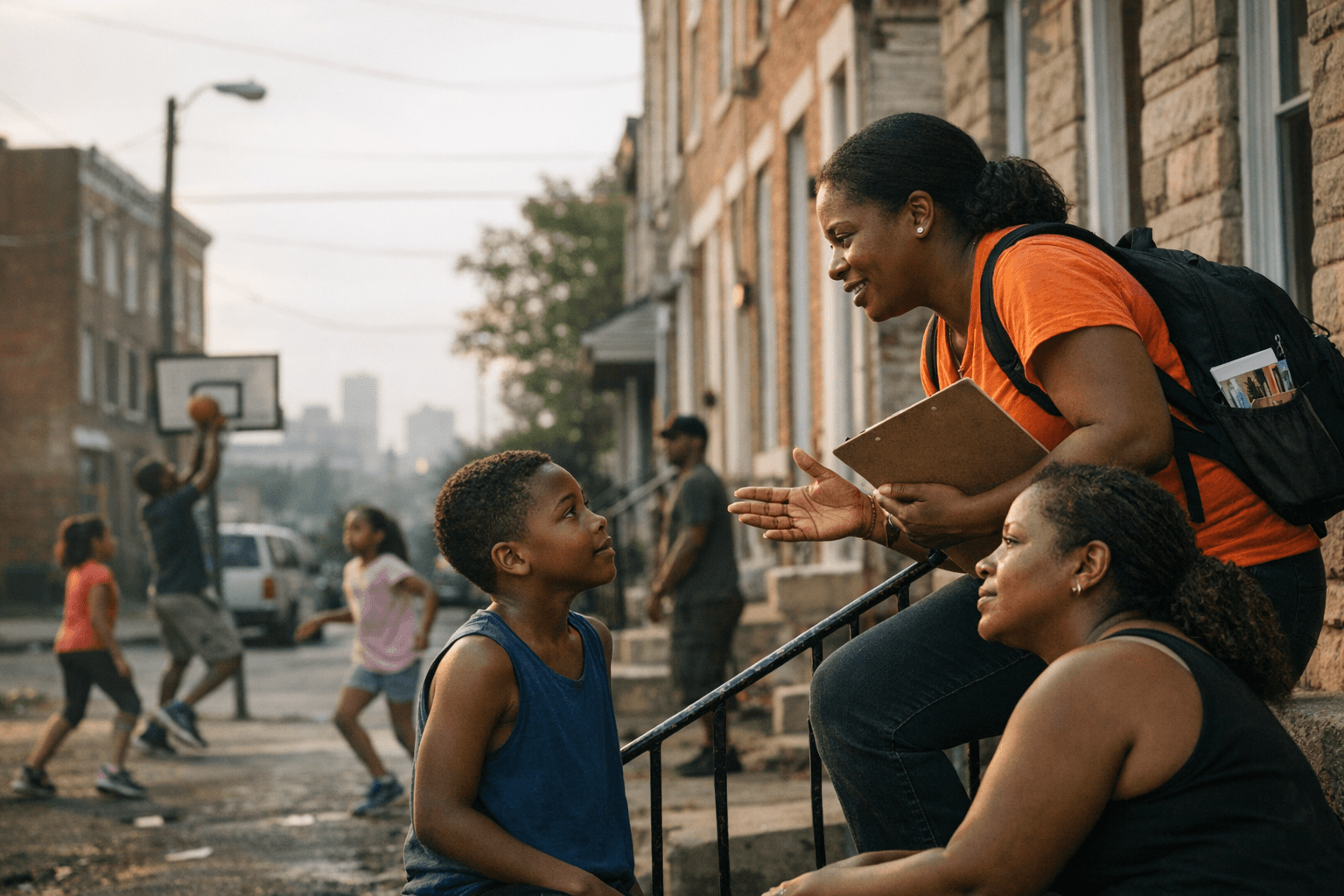
Baltimore is widening summer-program outreach in District 8 and other under-served neighborhoods as city leaders try to reach families who often miss deadlines, rides and sign-up details before slots disappear.
City Council members raised the issue at a meeting on April 21, saying summer programming still leans too heavily on word of mouth. That approach can work in some parts of Baltimore, but it leaves gaps in neighborhoods where information does not travel quickly or evenly, especially when parents are working and teens are left to navigate sign-ups on their own.
Baltimore City government is responding by working with Baltimore City Public Schools and community groups while also using social media, influencers, resource cards, QR codes and direct neighborhood outreach. Officials said transportation remains a real barrier in some places, including District 8, where getting to a program site can be difficult enough to keep a child or teen from enrolling at all.
The city already has several major summer channels in place. The Mayor’s Office of Employment Development runs YouthWorks, which is open to Baltimore City youth ages 14 to 21 and connects participants to paid summer jobs with private, nonprofit, city and state employers. Applications for YouthWorks 2026 opened Jan. 2 and closed March 7, and the five-week program will run from June 29 through July 31.
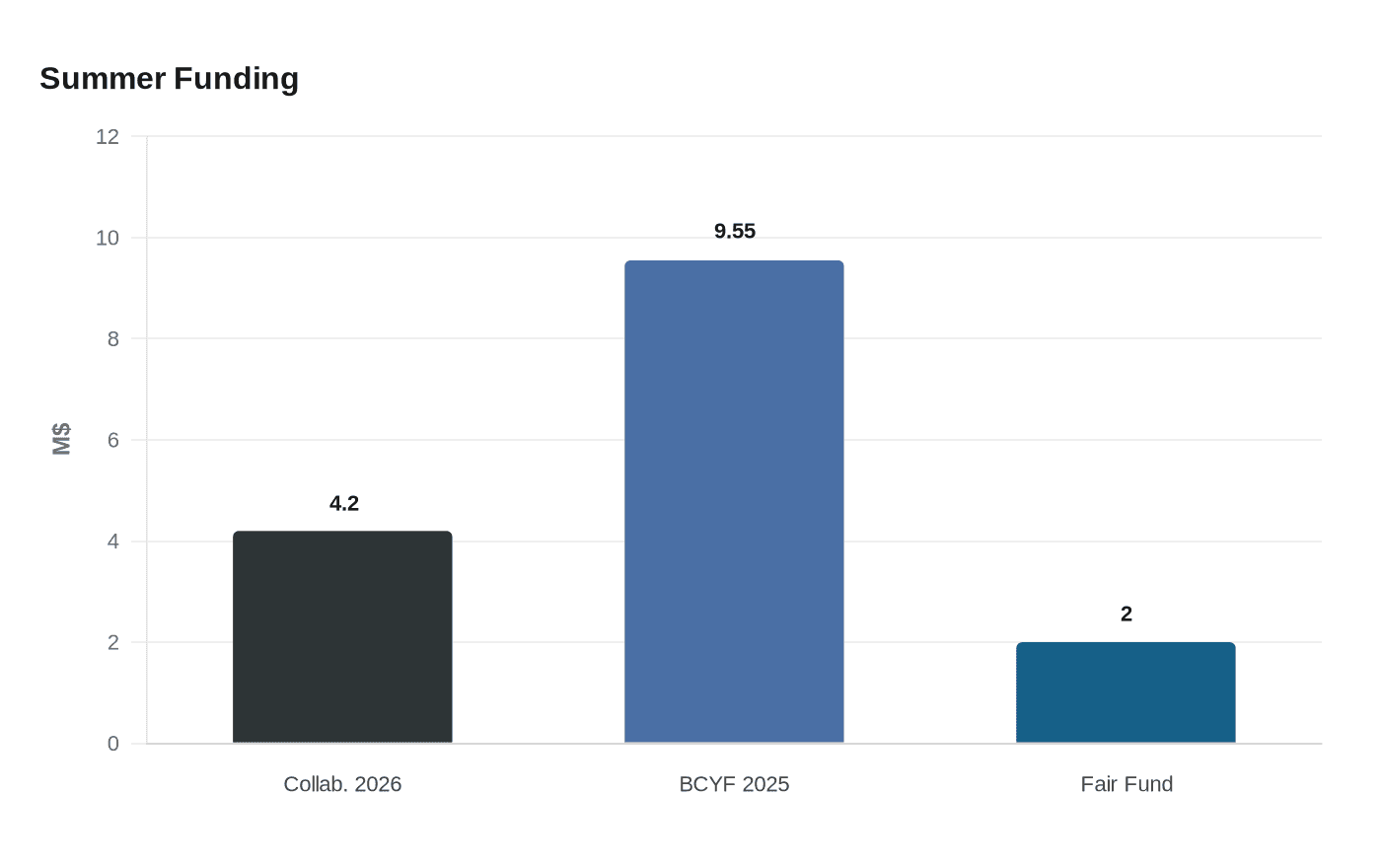
Other funding streams are also significant. The Baltimore Summer Funding Collaborative said it expects to provide more than $4.2 million in grants in 2026, after more than 3,400 youth attended 75 programs across Baltimore City in summer 2025. The Baltimore Children & Youth Fund invested $9.55 million in summer 2025 opportunities and hosted an April Summer of Possibilities fair using a $2 million fund, with a focus on youth ages 14 to 24 and BIPOC-led organizations.
The push comes as local reporting showed summer program slots fell by about 5,000 in 2025, while options for ages 19 to 24 dropped about 31 percent. That shortfall gives the outreach effort more urgency, because the city is not just trying to promote programs. It is trying to make sure the families most likely to benefit can actually find them, reach them and enroll before the summer starts.
Council members framed the work as an equity issue, not a communications exercise. With juvenile crime historically rising in the summer and neighborhood-level opportunity gaps still wide, Baltimore’s challenge is to turn available funding into real participation in the communities that need it most.
This article was produced by Prism’s automated news system from verified source data, official records, and press releases, then run through automated quality and moderation checks before publishing. The system is built and supervised by the people who set the standards it runs under. Read our full AI policy.
Did this article answer your question?


