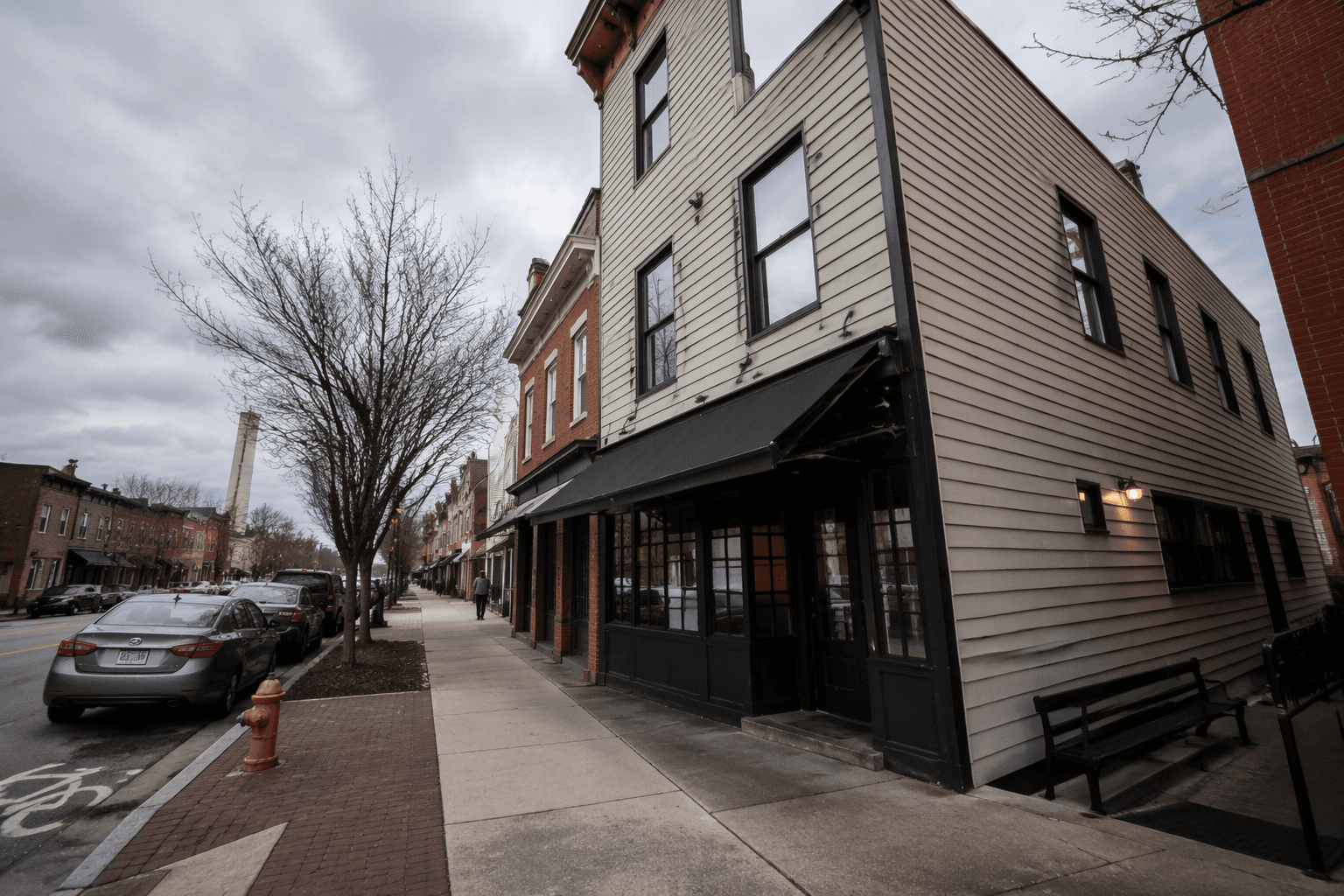
Baltimore firefighters battle lifeboat fire aboard ship in Patapsco River
Two lifeboats burned aboard the USNS Charles L. Gilliland in the Patapsco River, sending Baltimore firefighters to the Canton Industrial Area and a second alarm.
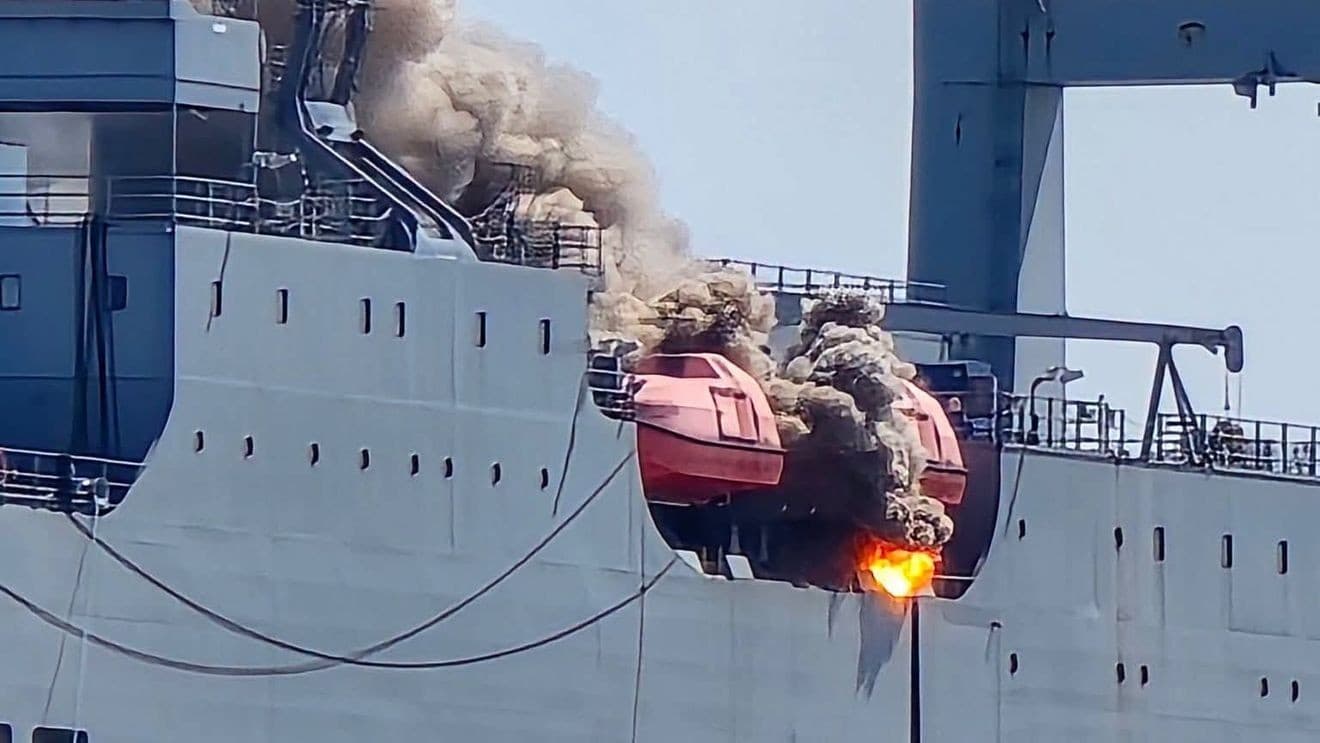
Baltimore firefighters rushed to the Canton Industrial Area on Monday morning after two lifeboats caught fire aboard the USNS Charles L. Gilliland in the Patapsco River. Crews were called shortly after 11 a.m. to the 2000 block of South Clinton Street after reports of a nearby fire, then found both lifeboats fully involved aboard the ship.
The Baltimore City Fire Department called a second alarm to bring in more resources, but officials said no injuries were reported. The cause remained under investigation.
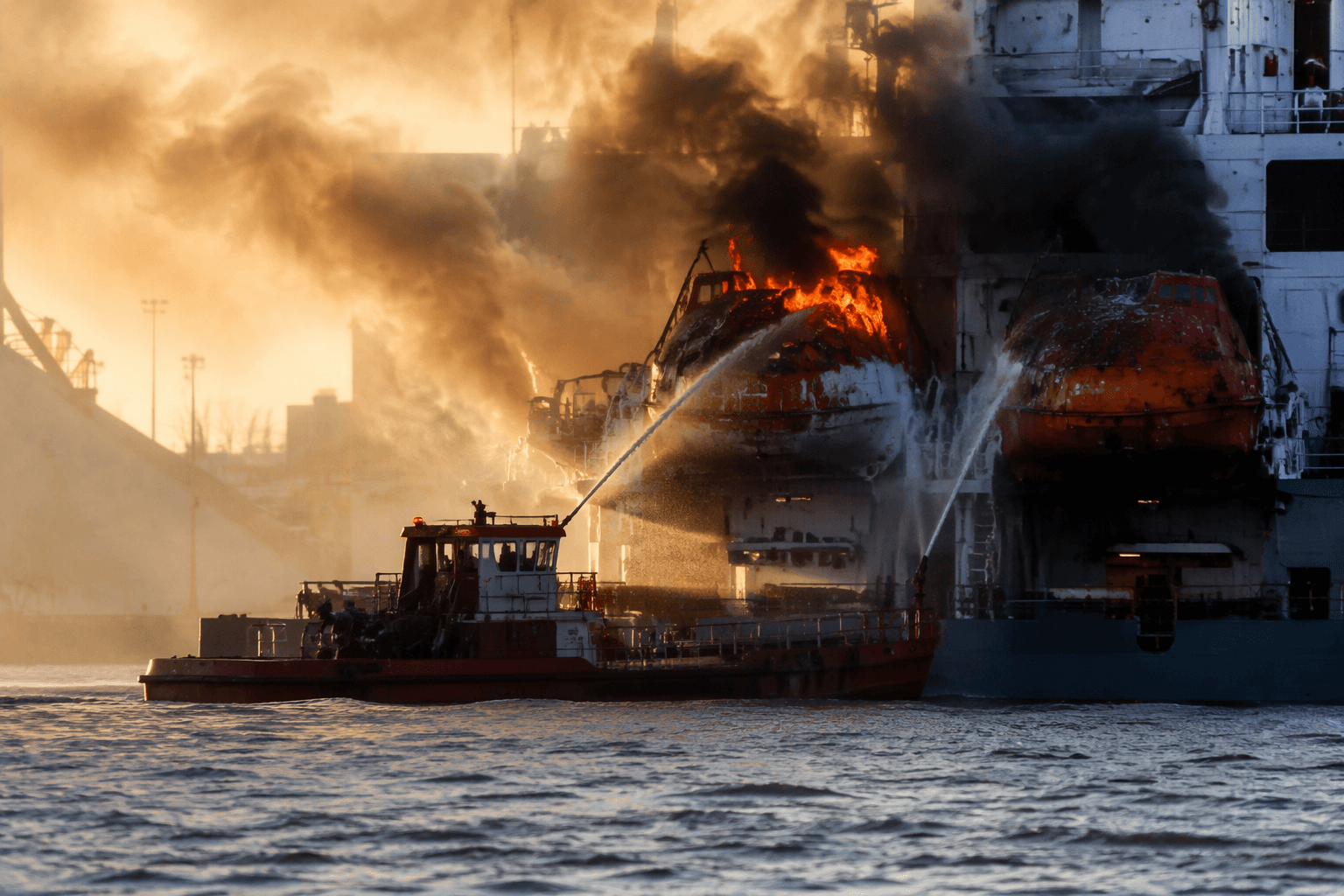
The blaze landed in one of Baltimore’s most sensitive working waterfront zones, where ships, terminals and industrial sites sit close together along the harbor. That made the response different from a typical building fire: crews had to deal with a vessel fire in a maritime setting tied to the Port of Baltimore, with water access, limited maneuvering room and the potential for disruption around nearby waterfront operations.
Baltimore’s Marine Fire Rescue unit is built for exactly that kind of call. The department says it has one Class A fireboat and two Class C fire-rescue boats. The Class A fireboat carries two FFS fire pumps capable of 3,500 gallons per minute each, while each rescue boat has a 1,500-gallon-per-minute pump. The department says its fireboat capability is meant for fires on vessels at terminals or in the stream, which is why marine training remains central to the city’s port-safety planning.
The ship itself has a long and layered history. Military Sealift Command identifies the vessel as a large, medium-speed roll-on-roll-off surge sealift ship. It was built in 1972 as the Danish vessel Selandia, assigned to Military Sealift Command in 1996, then transferred on May 17, 2023, to the Maritime Administration’s Ready Reserve Force and renamed Charles L. Gilliland.
That fleet exists to provide militarily useful surge sealift vessels and help offset the shortage of U.S.-flagged ships available for that role. Monday’s fire did not injure anyone, but it put a spotlight back on the risks that come with Baltimore’s harbor economy, where one hot spot aboard a ship can quickly become a city fire response on the waterfront.
This article was produced by Prism’s automated news system from verified source data, official records, and press releases, then run through automated quality and moderation checks before publishing. The system is built and supervised by the people who set the standards it runs under. Read our full AI policy.
Did this article answer your question?