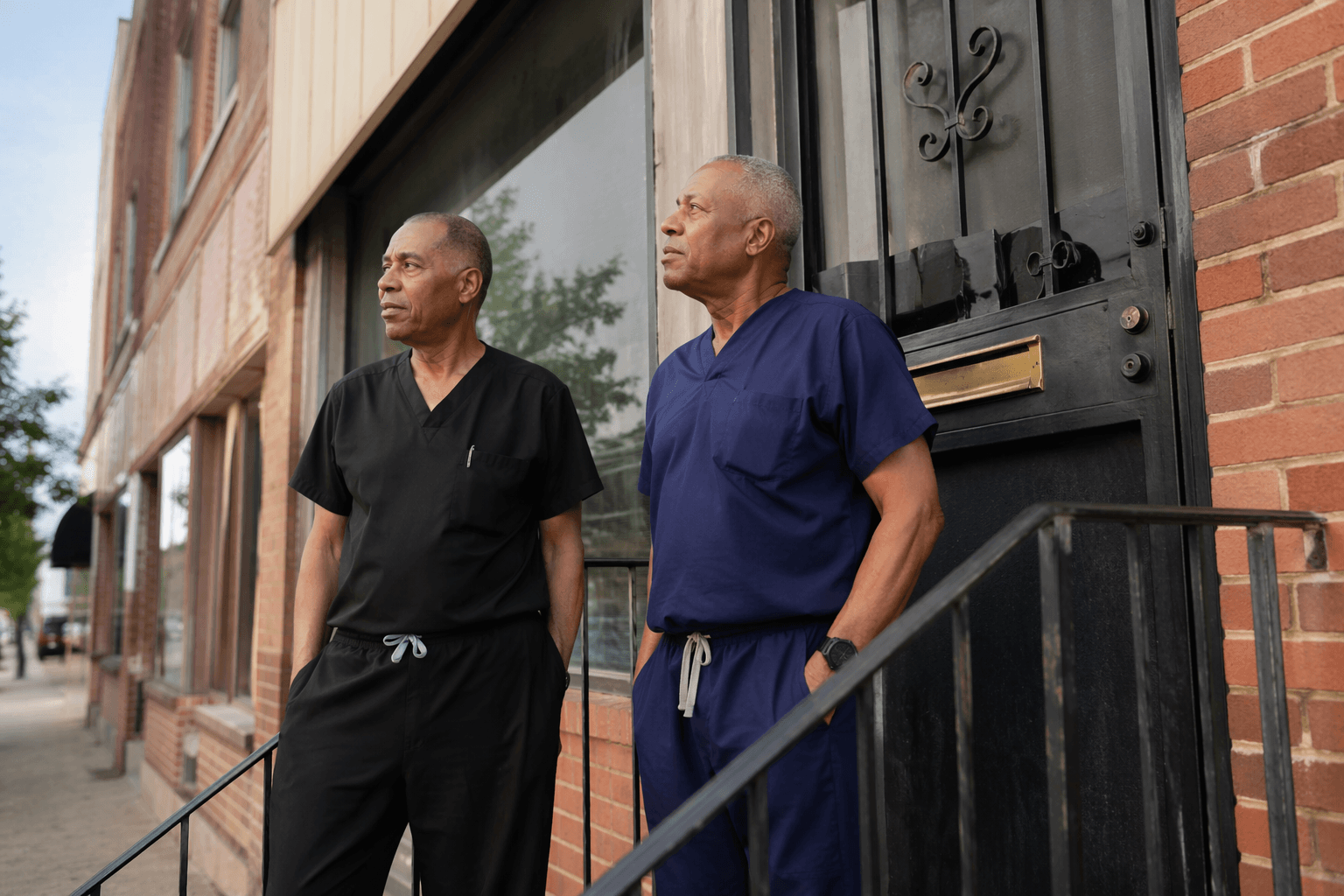
Baltimore firefighters get cancer screenings to catch esophageal disease early
Baltimore fire officers offered free, non-invasive esophageal-cancer screening after warning the job raises risk by 62%. More clinics were planned for active-duty members and retirees.

Baltimore fire officers turned a routine union hall visit into a cancer-prevention push this week, offering non-invasive esophageal-cancer screening after warning that the job carries a 62% higher risk of the disease. Union leaders said the cancer is often found late, when treatment choices are narrower, and that early detection could protect firefighters’ health, careers, families and retirement years.
The Baltimore Fire Officers Union, IAFF Local 964, said the screening was aimed at active-duty firefighters and retirees who might not otherwise get this test through regular care. The process began with a short screening questionnaire based on risk-factor criteria, then moved to a non-invasive test designed to detect esophageal pre-cancer before it becomes harder to treat. The union said the screening carried zero out-of-pocket cost, even if insurance did not cover the full bill.
A second testing session was set for 8 a.m. to 4 p.m. at the Baltimore Fire Officers Union Hall on South Linwood Avenue, and the union said it planned to return in a few months to include more active-duty members and retirees. That makes the effort more than a one-off awareness event. It is a recurring attempt to build cancer monitoring into the lives of the people Baltimore depends on when alarms go off in rowhouse blocks, high-rises and vacant buildings across the city.
The union said regular doctors typically would not order this test on their own, which is part of why the clinic matters. Firefighters are exposed on the fireground to the kinds of chemicals the CDC says can raise cancer risk, and the National Firefighter Registry for Cancer is open to all U.S. firefighters, active, former or retired, so researchers can study that relationship over time. The International Agency for Research on Cancer has classified occupational exposure as a firefighter as carcinogenic to humans, a Group 1 designation based on sufficient evidence in people.
Maryland’s James “Jimmy” Malone Act adds a policy backdrop to the local effort. Approved by the governor in 2025 and effective Jan. 1, 2026, the law requires counties with self-insured health plans to cover preventive cancer screenings for professional firefighters without copays, coinsurance or deductibles. It also directs the Maryland Health Care Commission to study the program and report by Dec. 1, 2028.

CDC occupational-health guidance has specifically included esophageal cancer in firefighter cancer-risk recommendations, alongside buccal, pharyngeal and pancreatic cancers. A CDC and NIOSH study of nearly 30,000 firefighters in Chicago, Philadelphia and San Francisco found elevated cancer risk in the profession, reinforcing what Baltimore’s fire officers are treating as a health access issue, not just an internal union matter.
This article was produced by Prism’s automated news system from verified source data, official records, and press releases, then run through automated quality and moderation checks before publishing. The system is built and supervised by the people who set the standards it runs under. Read our full AI policy.
Did this article answer your question?