Baltimore funds worker-owned businesses as Taharka Bros co-owner story shines
Baltimore set aside $250,000 for worker-owned businesses as Taharka Bros co-owner Vinny Green's climb from freshman employee to owner becomes the model's latest test.
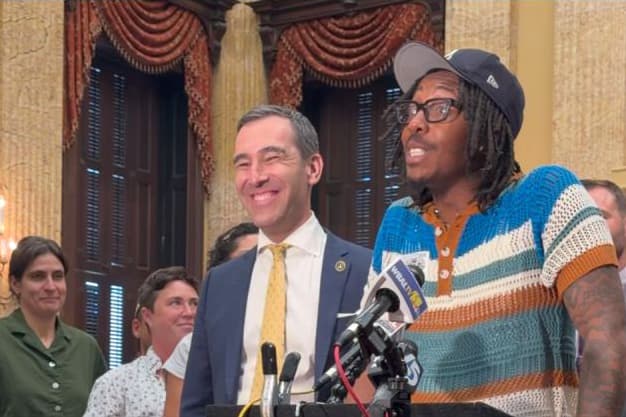
City Council President Zeke Cohen put a face on Baltimore’s worker-ownership push by spotlighting Vinny Green, who started at Taharka Bros ice cream as a high school freshman and is now a co-owner through the worker co-op model. Baltimore’s final FY2027 budget, approved June 24, included $250,000 for the Baltimore Roundtable for Economic Democracy, known as BRED, to expand business conversions to worker cooperatives when owners want to retire or sell.
BRED says the money will help widen its work on non-extractive capital, popular education and technical assistance for Baltimore’s cooperative economy. The group says it has deployed more than $20 million in non-extractive investment since 2016, and the city’s new commitment is intended to extend that work into legacy business conversions that keep ownership local instead of letting it leave with a departing founder. BRED said Baltimore City Council unanimously backed support for cooperative employee ownership in the budget.

Taharka Brothers has already been one of Baltimore’s clearest examples of the model. A 2021 account described the company as six Black men who became worker-owners and kept the business, and their jobs, alive during the pandemic by moving quickly into home delivery and drawing on cooperative financing and business advice. BRED has also said it supported Taharka Brothers as part of a broader effort to build worker and community ownership in Baltimore.
Baltimore’s co-op ecosystem now stretches well beyond one ice cream maker. Other local examples include Red Emma’s, Mera Kitchen, Common Ground Cafe, Metta Integrative Wellness Cooperative, Baltimore Bicycle Works and Obran Cooperative, all part of a network that gives the city more than a single test case for employee ownership.
The state policy backdrop is moving too. In 2024, BRED’s testimony on SB85 said Maryland could create a Maryland Limited Worker Cooperative Association Act with rules for formation, governance, conversion and dissolution, and that the state would join 30 others with worker cooperative statutes. In 2025 testimony on SB0144, the same idea returned to Annapolis, underscoring that Baltimore’s $250,000 investment is aimed at a model city leaders want to replicate, not just celebrate.
This article was produced by Prism’s automated news system from verified source data, official records, and press releases, then run through automated quality and moderation checks before publishing. The system is built and supervised by the people who set the standards it runs under. Read our full AI policy.
Did this article answer your question?