Baltimore Groups Use Food, Trust to Reach People Facing Addiction, Homelessness
Baltimore nonprofits are proving that a hot meal and consistent presence can open doors that traditional treatment systems often cannot.
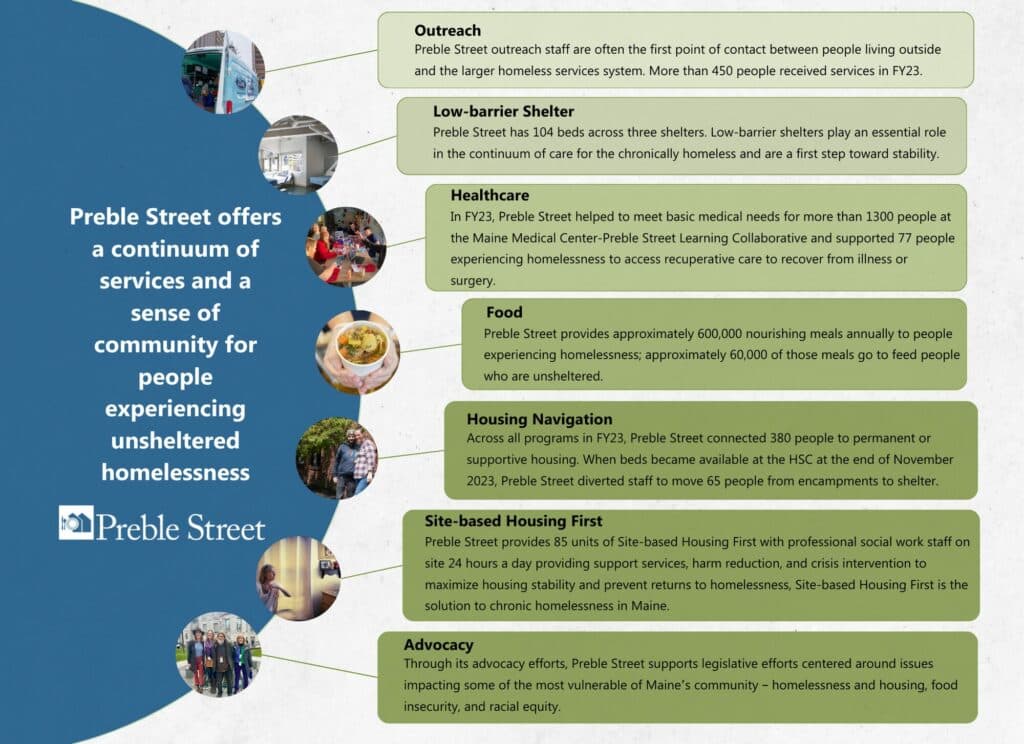
In Baltimore, where the intersection of addiction and homelessness has challenged city institutions for decades, a growing number of community organizations are taking a fundamentally different approach: show up consistently, bring food, and build trust before asking anything in return.
The strategy, sometimes called low-barrier or relationship-based outreach, centers on meeting people where they are, literally and figuratively, rather than requiring sobriety, identification, or program enrollment as conditions for receiving help. For the thousands of Baltimore residents navigating both addiction and housing instability, that shift in philosophy can mean the difference between a first conversation and a closed door.
What Low-Barrier Outreach Actually Looks Like
Traditional social services often come with prerequisites. To access a shelter bed, you may need to be sober. To enter a treatment program, you may need an address. To qualify for certain benefits, you may need documentation. Low-barrier outreach organizations deliberately dismantle those conditions, prioritizing human contact over compliance.
In practice, this means organizations arrive at encampments, street corners, and neighborhoods with food, harm reduction supplies, and the willingness to simply be present without an agenda. The relationship built over weeks or months of those visits becomes the foundation on which someone might eventually accept a referral to housing, treatment, or medical care. Food, in particular, functions as more than nutrition: it is a consistent, non-threatening reason to show up and a tangible expression of dignity.
Why Baltimore Needs This Approach
Baltimore has long grappled with some of the highest rates of opioid addiction and unsheltered homelessness among major American cities. The scale of the crisis, combined with the deep distrust many unhoused and actively addicted individuals feel toward institutions, has made conventional outreach models inadequate on their own. People who have cycled through systems that failed them, or that penalized them for relapsing, are often reluctant to engage with anything that resembles a program with conditions attached.
Organizations working in this space recognize that the first goal is not treatment or housing placement. It is presence and consistency. Showing up to the same corner on the same day every week, remembering someone's name, bringing the food they mentioned liking last time: these are the building blocks of the trust that eventually makes deeper intervention possible.
The Organizations Doing This Work
Multiple Baltimore nonprofits have built their models around these principles, each with its own approach but a shared commitment to dignity-centered care. The groups profiled in recent coverage of Baltimore's outreach landscape represent a cross-section of faith-based, community-founded, and grassroots organizations that have embedded themselves in the neighborhoods most acutely affected by addiction and homelessness.
These organizations operate with varying levels of formal infrastructure. Some run from church basements and volunteers with home-cooked meals. Others have developed more structured harm reduction programs that include naloxone distribution, wound care, and connections to medical providers. What unites them is the deliberate choice to prioritize relationship over transaction and to resist the impulse to attach conditions to compassion.
Food as a Gateway to Trust
Among the tools these organizations deploy, food holds a particular significance. A shared meal communicates something that a pamphlet or a hotline number cannot: that the person across the table is worth the time and the effort. For individuals who have experienced repeated rejection from institutions, from family, from employers, being fed without judgment carries real emotional weight.
Organizations in Baltimore have learned that food-based outreach creates natural opportunities for conversation. While someone eats, they may mention a health concern, a housing situation, or a family member they want to reconnect with. Outreach workers can follow those threads without pressure, planting seeds that may not bear fruit for months. The consistency of returning, week after week, with the same meal and the same faces, gradually erodes the defensiveness that isolation and systemic failure tend to build.
Building Trust Before Asking for Change
One of the core tenets of relationship-based outreach is that change cannot be demanded or scheduled. Recovery timelines are not linear, and housing stability requires a foundation of safety and connection that often has to be constructed piece by piece. Organizations working in this space accept that someone may accept a meal for six months before they are ready to accept a referral, and that the meal itself is not a failure if it does not immediately lead to enrollment in a program.
This philosophy stands in contrast to approaches that measure success primarily through immediate outcomes like beds filled or treatment admissions logged. Relationship-based organizations tend to measure success differently: sustained engagement, incremental trust-building, harm reduction over time, and the moments when someone who has been on the street for years decides they are ready to try something different.
The Broader Ecosystem
The work of these individual organizations does not happen in a vacuum. Baltimore's broader social services infrastructure, including city agencies, hospital systems, and larger nonprofits, increasingly recognizes that low-barrier outreach groups often serve as the critical first point of contact for people who would otherwise never reach formal services. That recognition has, in some cases, led to referral partnerships and funding relationships that allow smaller grassroots groups to sustain their work.
At the same time, organizations working at the street level often face resource constraints that larger institutions do not. Volunteer burnout, funding gaps, and the emotional weight of sustained proximity to trauma are ongoing challenges. The organizations that endure tend to be those that have cultivated strong community roots and a clear sense of purpose that keeps staff and volunteers committed through the difficult periods.
What This Means for Baltimore
The outreach model being practiced by these Baltimore organizations reflects a broader shift in how communities nationwide are reconsidering the conditions they place on care. It is a shift grounded in evidence: harm reduction approaches have demonstrated measurable impact on overdose deaths, and housing-first models have shown that stable shelter improves health outcomes and reduces long-term system costs.
For Baltimore specifically, where decades of disinvestment and the opioid epidemic have left deep marks on neighborhoods from Cherry Hill to Sandtown-Winchester to East Baltimore, the presence of organizations willing to show up without conditions represents something significant. It is not a solution to structural poverty or the failures of the healthcare system. But it is a form of accountability, a refusal to let the most vulnerable residents become invisible, and a recognition that trust, built slowly over shared meals and repeated visits, remains one of the most powerful tools available.
This article was produced by Prism’s automated news system from verified source data, official records, and press releases, then run through automated quality and moderation checks before publishing. The system is built and supervised by the people who set the standards it runs under. Read our full AI policy.
Did this article answer your question?


