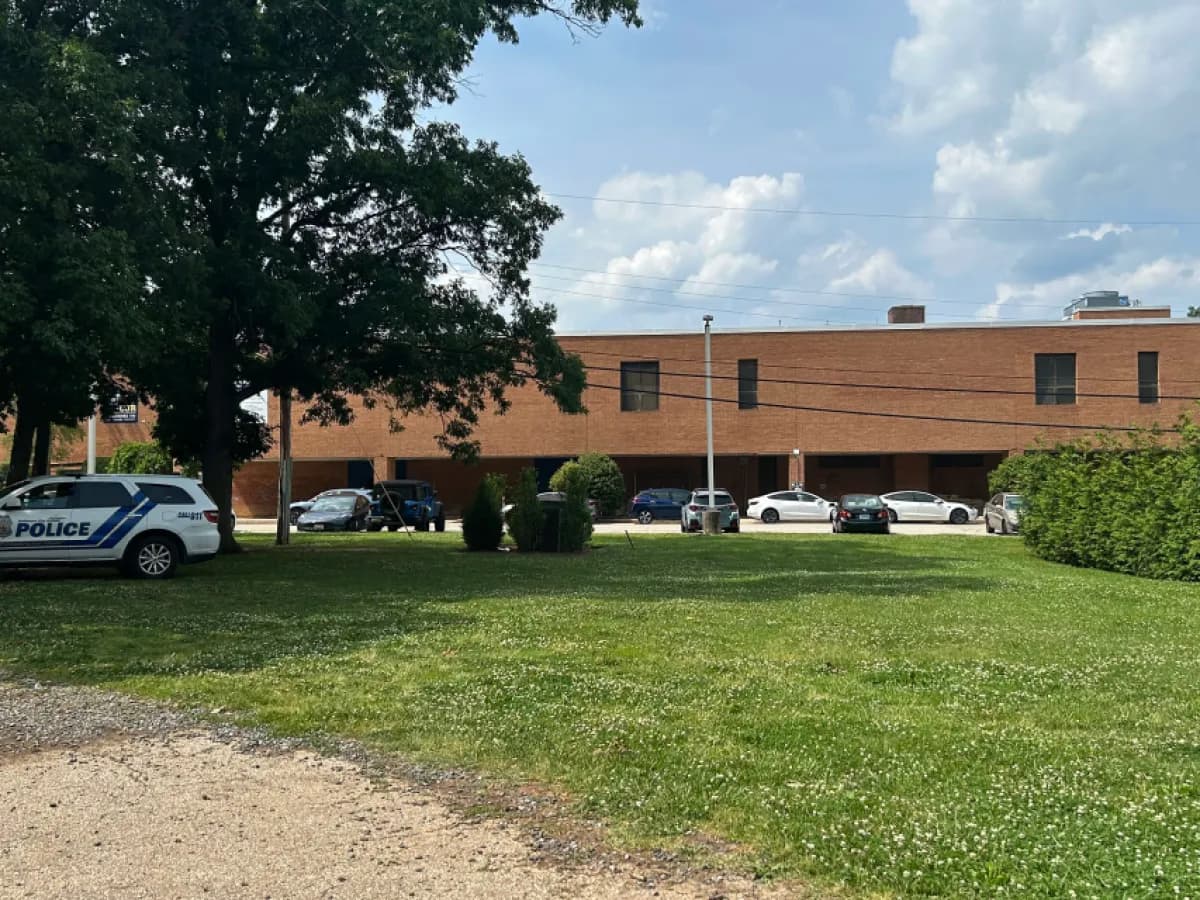
Baltimore hires outside legal team to review MONSE SideStep program
Baltimore is adding Karl Racine to the SideStep review after inspectors found fraudulent invoices, exposed juvenile data and $820,000 in program funding.
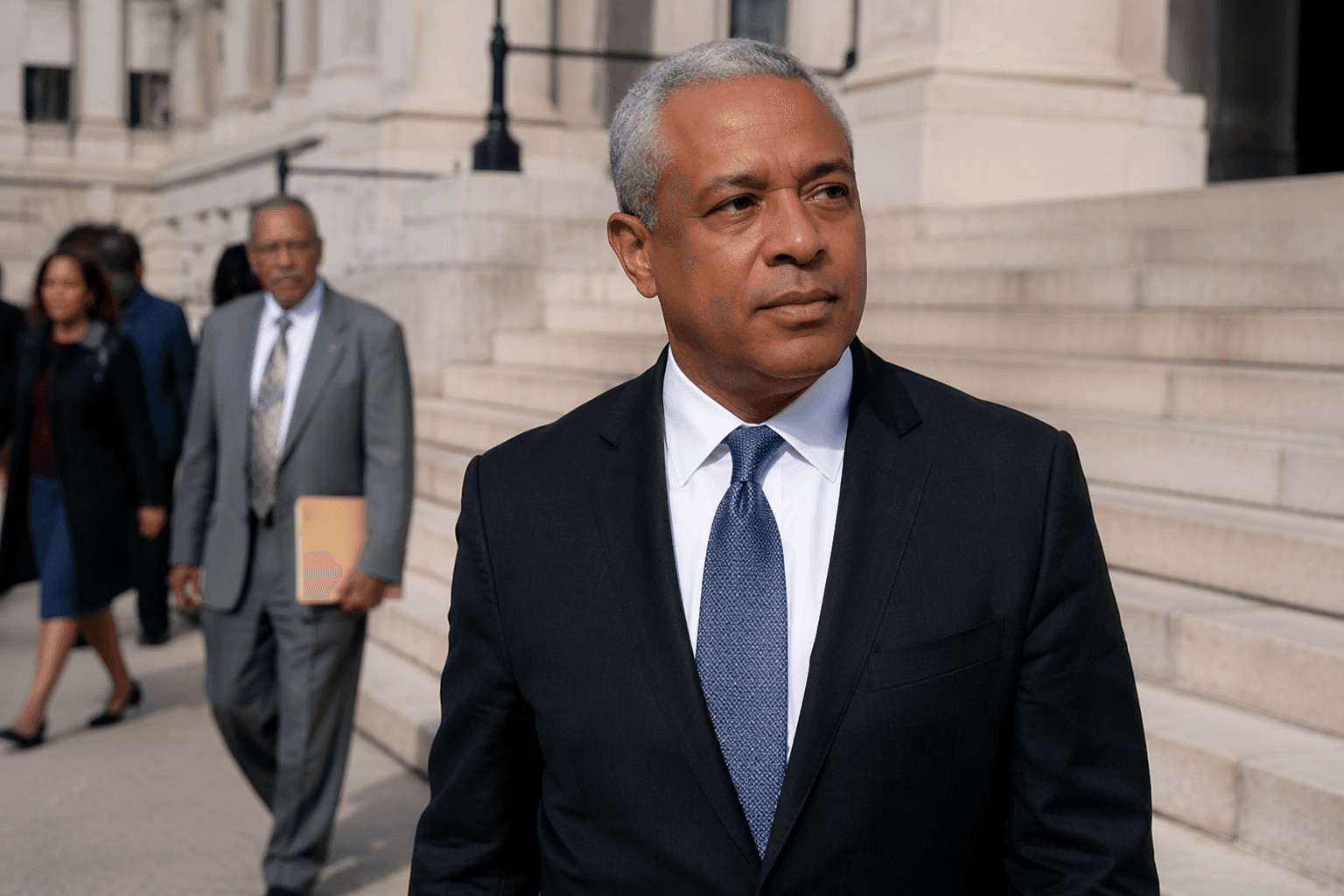
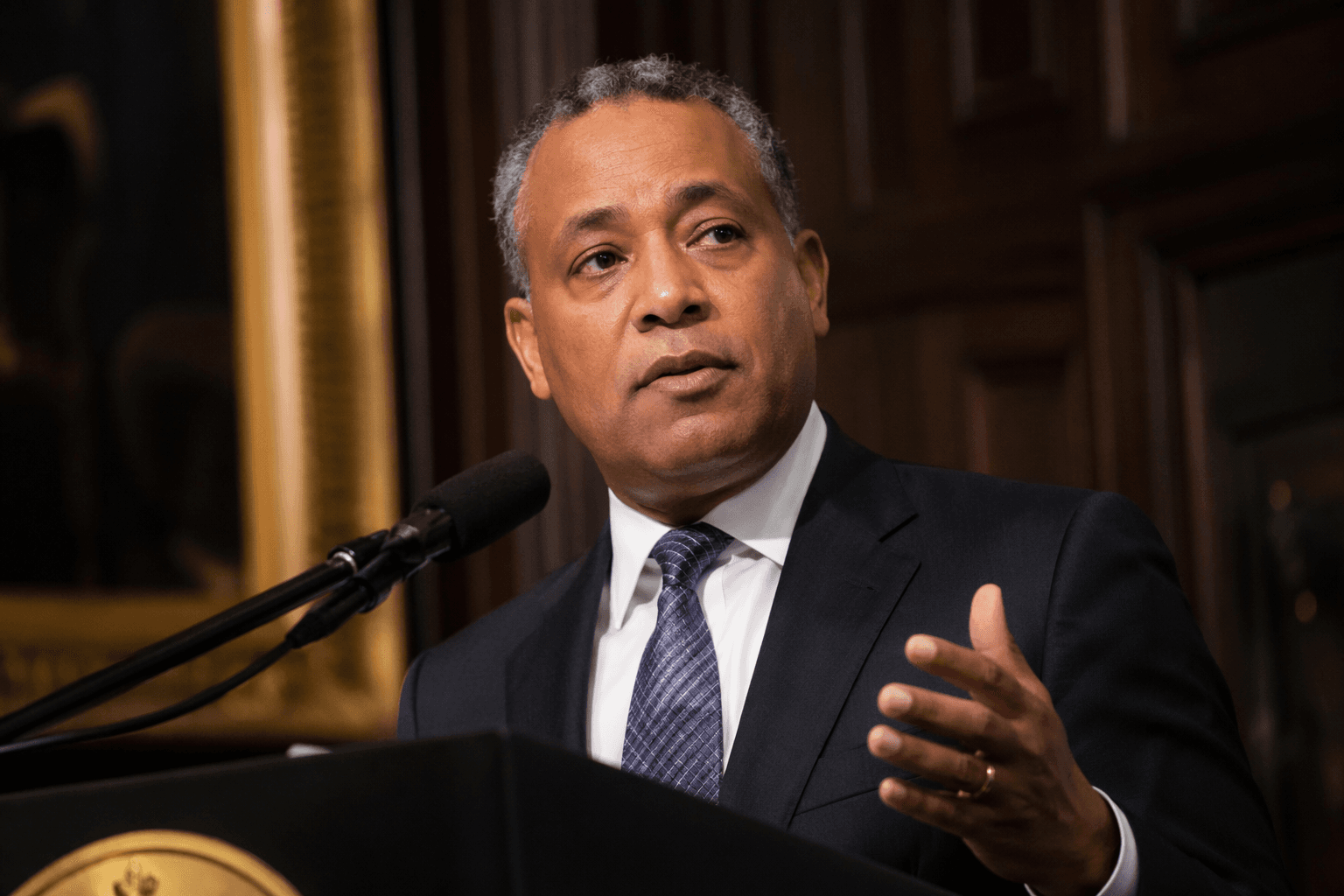
Baltimore has brought in former D.C. Attorney General Karl Racine and his Hogan Lovells Cadwalader team to help review MONSE’s SideStep program, adding another layer to an already sensitive look at how city money, records and oversight were handled. The outside legal team is joining Baker Tilly’s ongoing examination, and the city says Mayor Brandon Scott’s office and executive administration will not direct or influence the investigation.
The review lands after the Office of the Inspector General flagged serious problems in SideStep, including fraudulent invoices and exposure of juvenile information, both of which were referred to law enforcement. The OIG said the findings showed why direct access to city records and emails matters when city programs are being examined for fraud and liability. That makes the current review more than a routine checkup: it is now part of a broader reckoning over how Baltimore manages sensitive youth-related work and public funds.
SideStep itself was piloted in Baltimore’s Western District between January 2022 and 2024, with MONSE, the Baltimore City Police Department and the Department of Juvenile Services involved in the effort. The OIG said the program stopped operating in 2024, but MONSE still presented its Fiscal 2026 budget in June 2025 with a goal of expanding SideStep citywide. That sequence puts the city in the unusual position of reviewing a program that had already become the subject of expansion plans before the public controversy fully surfaced.
Money tied to the initiative is also under scrutiny. OIG records show MONSE announced $820,000 in SideStep-related funding to 15 community-based organizations and one evaluation consultant in March 2023 and February 2024. The same records say MONSE hired an evaluation team in 2023 for $24,999 to assess how the pilot was being implemented and whether it helped youth and families. Those figures now sit alongside questions about who reviewed the program, who had access to records, and whether the city caught problems early enough.
The legal and political backdrop reaches back to the structure of city government itself. The OIG said MONSE’s access to juvenile records stemmed from a 2019 Maryland law carve-out for the former Mayor’s Office of Criminal Justice, and that the law was never updated when MONSE replaced MOCJ in December 2020. Scott’s May 13 oversight and transparency proposal set the stage for the outside review, and Racine said the goal is a thorough, extensive, objective and fact-based assessment that can produce best practices and recommendations. For Baltimore residents, the real test is whether that brings a genuine reset with consequences or simply a reputational cleanup around a program now tied to money, records and trust.
This article was produced by Prism’s automated news system from verified source data, official records, and press releases, then run through automated quality and moderation checks before publishing. The system is built and supervised by the people who set the standards it runs under. Read our full AI policy.
Did this article answer your question?