Baltimore immigration court faces due process concerns over mega hearings
More than 100 people at a time are being funneled through Baltimore immigration court, raising fears that rushed hearings are burying families in due-process confusion.
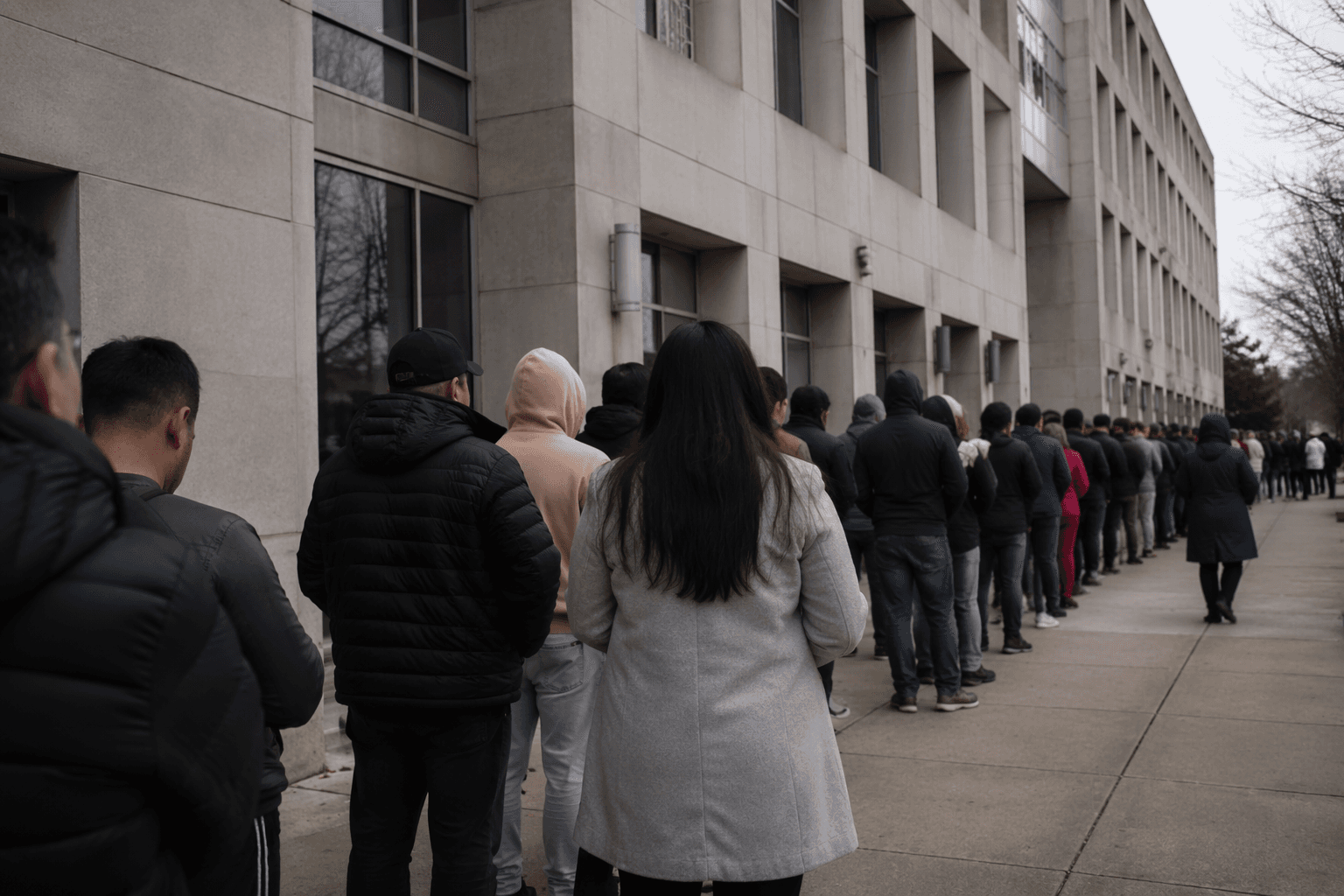
More than 100 people at a time are being brought into Baltimore immigration court for a single session, and lawyers say that scale can turn a hearing meant for scheduling and pleadings into a blur that leaves families struggling to keep up.
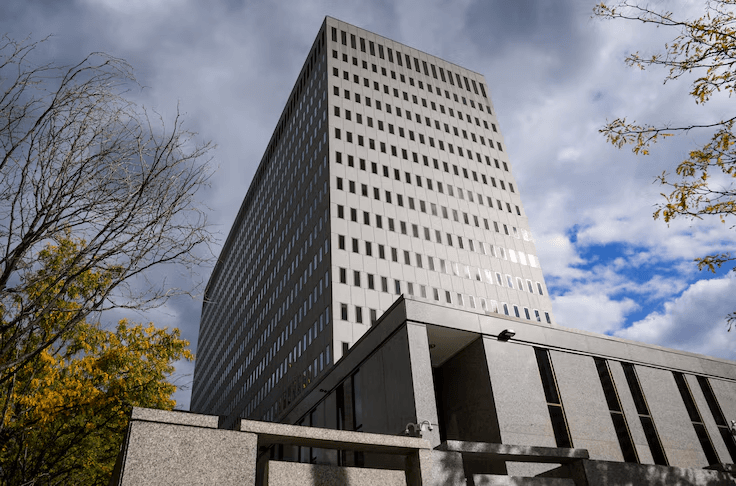
The proceedings are known as master calendar hearings. In Baltimore, they are now part of the George Fallon Federal Building at 31 Hopkins Plaza, Room 440, where the Baltimore Immigration Court operates as part of the Executive Office for Immigration Review, a component of the U.S. Department of Justice. EOIR says the court is open Monday through Friday except federal holidays.
What has alarmed immigration lawyers is how far the new format pushes beyond the normal pace. EOIR’s own guidance says master calendar hearings are generally used for pleadings, scheduling and similar matters. National reporting and immigration-rights groups say the newer “mega master” version has expanded that routine step into sessions with 100 or more people packed in at once, compared with the two or three dozen that had typically been scheduled for a first master calendar hearing.
That change matters because it can affect whether people understand what the court is asking of them, whether they can secure counsel and whether they realize a hearing has been moved. The National Immigration Project said in a June 1 press release that some courts were beginning to schedule those larger sessions with little or no advance notice. Advocates say people without lawyers are especially vulnerable, because a missed notice or a misunderstood rescheduled date can lead to an in absentia removal order.
EOIR says its Automated Case Information System offers only basic case information and does not show every case or every detail. The agency also says official court documents, including hearing notices, are the authoritative source for a hearing date and time. That warning is especially important when online status checks can leave gaps and families are trying to track a case from work, school or home.
For Baltimore, the stakes are local even though the policy is federal. A hearing system that moves too fast can mean longer waits in limbo, more fear in immigrant neighborhoods and more pressure on lawyers, advocates and faith groups trying to help families avoid being swept through the courthouse without a real chance to be heard.
This article was produced by Prism’s automated news system from verified source data, official records, and press releases, then run through automated quality and moderation checks before publishing. The system is built and supervised by the people who set the standards it runs under. Read our full AI policy.
Did this article answer your question?