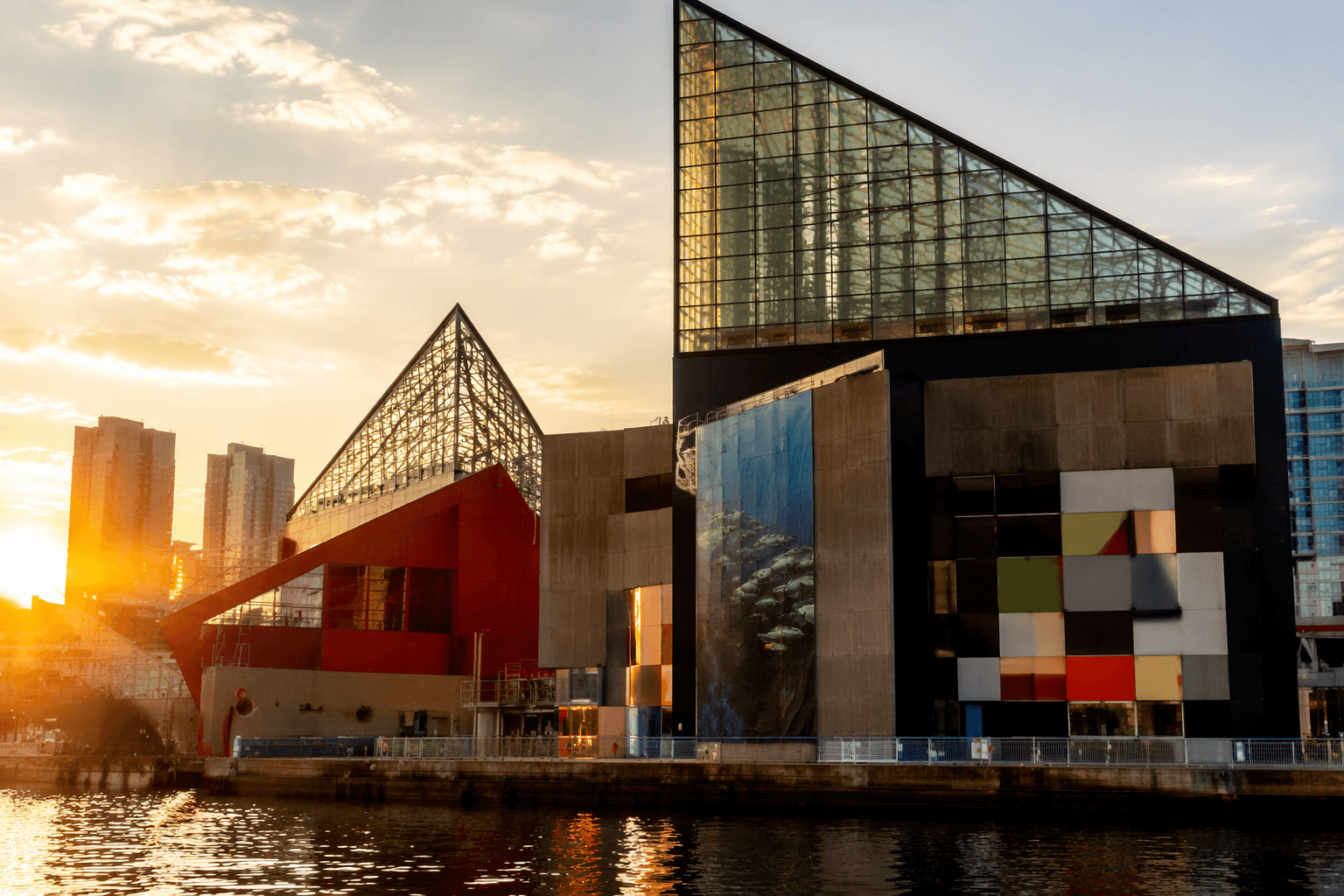
Baltimore Inner Harbor overhaul advances, $900 million Harborplace plan faces hurdles
Harborplace cleared a zoning hurdle, but permits and roadway work still stand between Baltimore and a fall start on the $900 million overhaul.
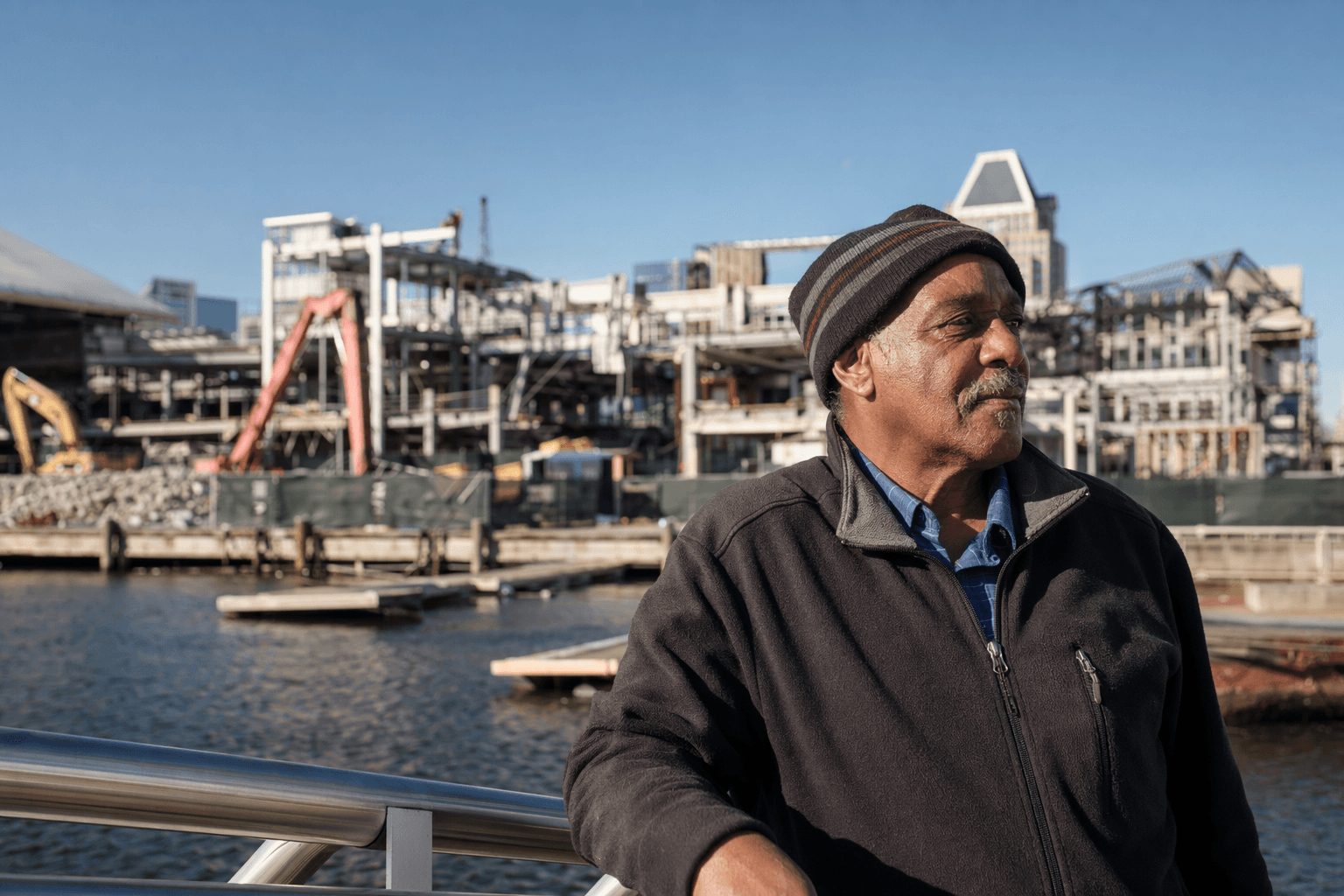
Harborplace moved one step closer to a long-promised rebuild, but cranes are not coming to the Inner Harbor yet. Before construction can start this fall on the 3.2-acre site, MCB Real Estate still has to work through the permit process and prepare the first road changes, including traffic shifts, lane realignments and signal upgrades.
The project has become a test of whether downtown Baltimore can revive its waterfront without losing the public space that made Harborplace famous. The redevelopment has been described as a roughly $900 million plan, with some coverage putting the price closer to $1 billion, and it would add about 900 residential units, two harborside apartment towers, floating wetlands, a two-tiered promenade, park space and a 2,000-seat amphitheater. Gensler Baltimore is part of the design team.
The site’s long arc helps explain why the stakes are so high. Harborplace opened on July 2, 1980, as a signature part of the waterfront revival associated with James Rouse and The Rouse Company. After years of decline, it entered receivership in 2019, and MCB Real Estate bought it in 2022. Baltimore’s Planning Commission and City Council approved zoning changes in 2024 that removed height limits and allowed residences and parking, clearing a major legal hurdle for a project that could stretch across a broader waterfront vision described as about 4.5 acres.
MCB says the redevelopment remains on track to break ground by the end of the year, but that is still a promise, not a building site. Earlier timelines pointed to a fall 2026 start, and the most optimistic completion date now being discussed is 2031 at the earliest. That gap matters for downtown businesses, workers and convention traffic that depend on a busy Inner Harbor, especially if another delay leaves the waterfront in limbo for years longer.
Not everyone believes the plan solves Baltimore’s deeper problems. Michael Brassert, co-founder of the Inner Harbor Coalition, has argued that the current proposal is not the right answer and that the city is not ready for a project of this scale. Critics have also warned that a development with towers and hundreds of apartments could privatize or deaden a cherished public space rather than restore it.
Visit Baltimore’s new president and CEO, Kireem Swinton, who became permanent leader on April 1, said the goal is an activated space where people linger, shop and return. That is the scoreboard now for Harborplace: approvals won, permits still pending, and a waterfront future that will be judged by whether Baltimore can turn a symbolic landmark back into an everyday destination.
This article was produced by Prism’s automated news system from verified source data, official records, and press releases, then run through automated quality and moderation checks before publishing. The system is built and supervised by the people who set the standards it runs under. Read our full AI policy.
Did this article answer your question?