Baltimore man gets 20 more years for witness intimidation
John Best was handed 20 more years, to run after a 30-year arson term, as Baltimore prosecutors pressed the case as a warning to anyone who threatens witnesses.
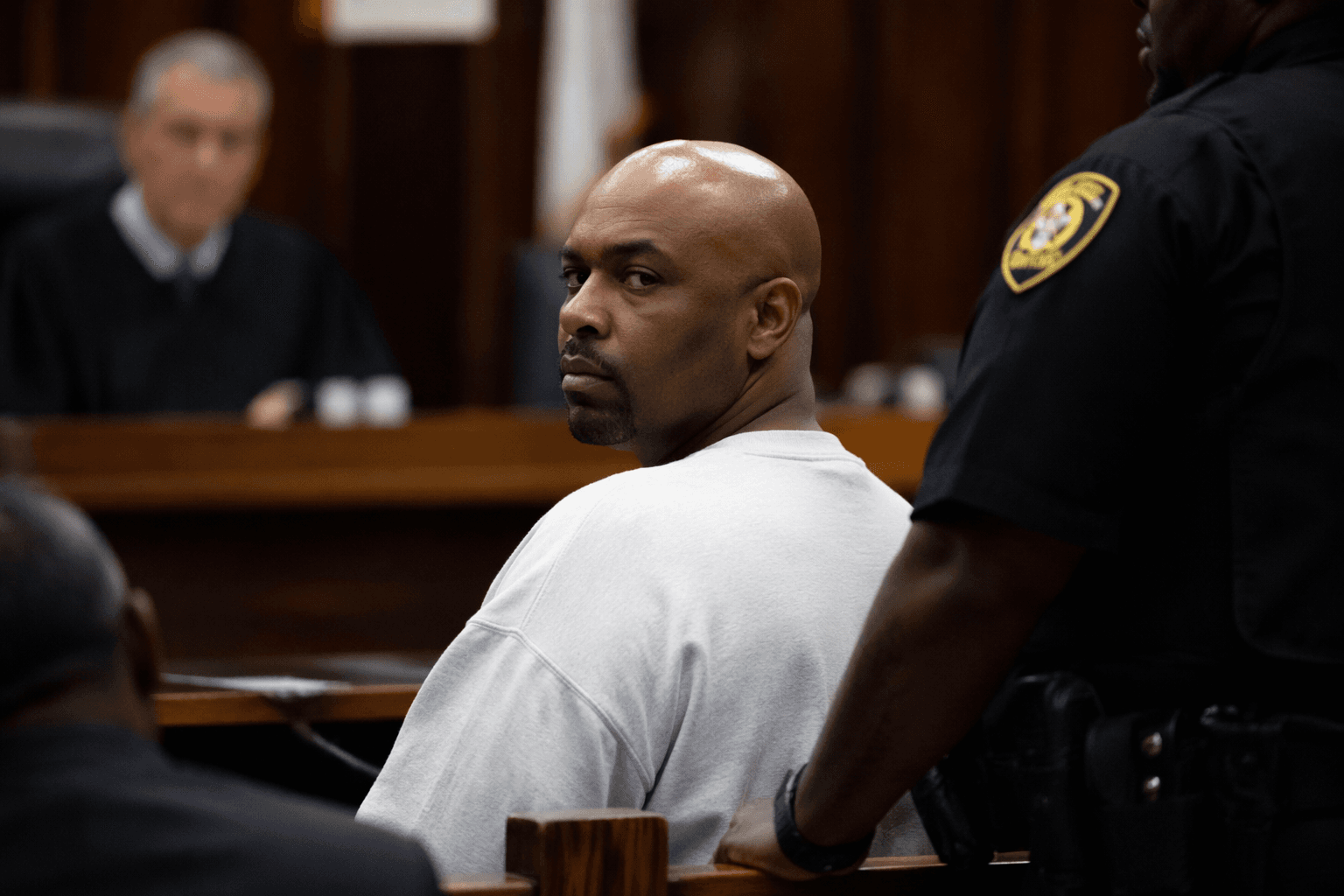
John Best was sentenced to 20 years in prison for witness intimidation, and the new term will run consecutive to the 30-year sentence he is already serving for first-degree arson. The Baltimore City State’s Attorney’s Office announced the outcome and cast the case as part of a broader fight to keep witnesses from being pressured out of court.
The penalty lands against a legal backdrop in which Maryland generally treats witness intimidation as a misdemeanor punishable by up to 10 years in prison and a $5,000 fine. But state law also allows up to 20 years in cases tied to certain felony drug offenses, a ceiling that makes Best’s sentence a reminder of how seriously prosecutors can pursue conduct that threatens the flow of testimony in criminal cases.
Maryland’s arson law carries its own heavy punishment. First-degree arson is punishable by up to 30 years in prison, a $50,000 fine, or both, which means Best’s combined sentence now reflects two separate crimes that each carried major prison exposure. Together, the terms leave him facing five decades behind bars.
Baltimore prosecutors say that witness intimidation is not just a side issue in a case file; it can determine whether people in neighborhoods across Baltimore will speak to police, identify suspects, or show up in court at all. The Baltimore City State’s Attorney’s Office maintains a Victim and Witness Division and a Witness Assistance Unit for that reason. The office says the unit takes primary responsibility for relocating victims and witnesses who have been threatened, intimidated or harassed because of their importance to the successful prosecution of a criminal case.
That support includes court accompaniment, witness relocation assistance, help with victim impact statements and grief counseling. In a city where prosecutions often depend on residents trusting that they can cooperate without being exposed, the Best sentence is meant to reinforce that prosecutors will treat threats against witnesses as an attack on the justice system itself.
This article was produced by Prism’s automated news system from verified source data, official records, and press releases, then run through automated quality and moderation checks before publishing. The system is built and supervised by the people who set the standards it runs under. Read our full AI policy.
Did this article answer your question?