Baltimore Mobilizes Community Partners to Curb Youth Violence During Spring Break
Baltimore rec centers launched spring break with free sneaker events, gaming, and basketball as MONSE deployed violence intervention teams across city neighborhoods.

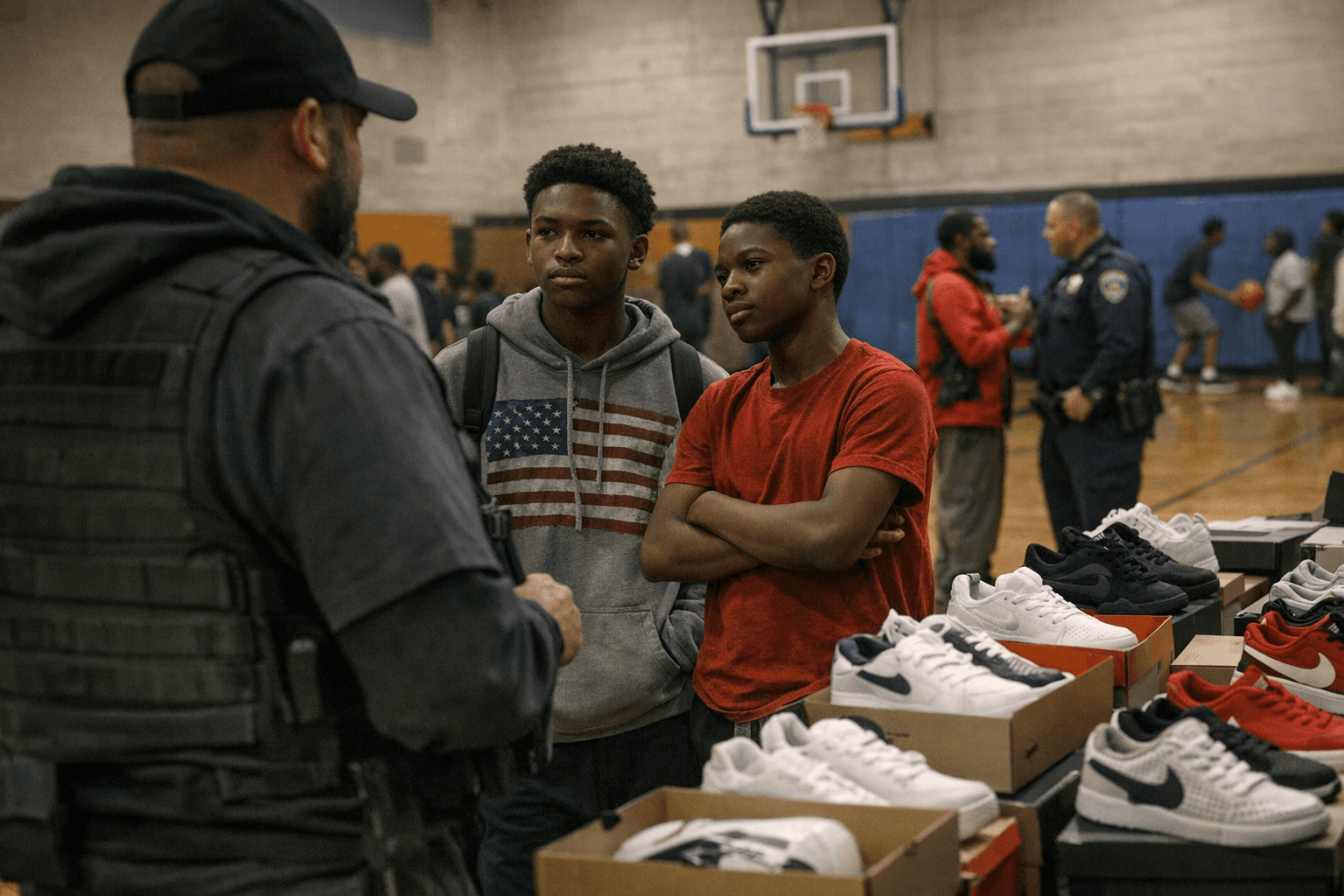
Starting spring break with free sneaker showcases, gaming sessions, and basketball tournaments, Baltimore's Mayor's Office of Neighborhood Safety and Engagement deployed a network of community violence intervention partners across city recreation centers beginning March 30, positioning the activation as the opening phase of a youth safety push that will stretch through Labor Day weekend.
The mobilization brought together a coalition that included the Mayor's Office of African American Male Engagement, Redesigning Minds, Baltimore City Schools, Police B-360, and the P.E.A.C.E. Team to concentrate outreach in neighborhoods where young people typically gather during weekends and holiday evenings.
The March 30 through April 5 programming calendar targeted specific sites with tailored events. A "Drip Lab Sneaker Edition" launched at Towanda Recreation Center while a Gaming Takeover drew teens to Medfield Recreation Center. A 3-on-3 basketball tournament ran at Rita Church Community Center, and an All Girls Beauty Experience was scheduled at Samuel FB Morse Recreation Center, with a Spring Break Teen Fest rounding out the week's slate.
Staff at each activation were directed to prioritize relationship-building and proactive de-escalation alongside direct referrals to services for youth in need, an approach city officials framed as a complement to, not a replacement for, law enforcement. Officials were explicit: any young person who commits a crime during the period will still face arrest and prosecution.
"Keeping young people safe is a community effort," Mayor Brandon Scott's office said in announcing the push. That framing extended beyond city agencies to a direct call on families and neighborhood organizations to engage with teens themselves.
The spring break activation is an early test of how the city manages the full spring-summer cycle. Supporters of boots-on-the-ground outreach say direct engagement during high-risk windows can reduce immediate conflict and connect youth to longer-term supports. Critics counter that those gains depend on sustained funding and measurable follow-through, particularly on employment, mental health, and education outcomes — commitments the city will face pressure to demonstrate as the summer strategy unfolds through September.
This article was produced by Prism’s automated news system from verified source data, official records, and press releases, then run through automated quality and moderation checks before publishing. The system is built and supervised by the people who set the standards it runs under. Read our full AI policy.
Did this article answer your question?


