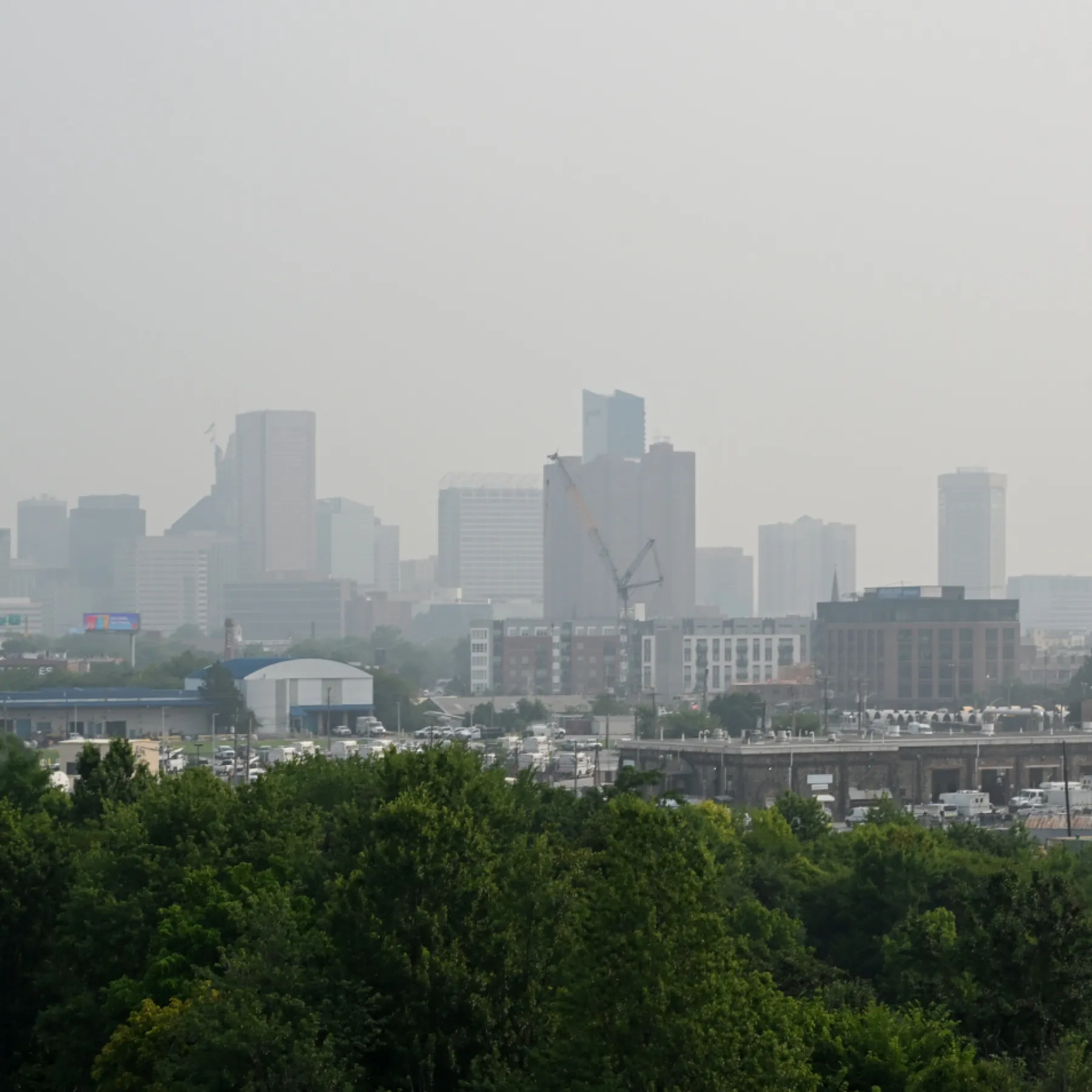
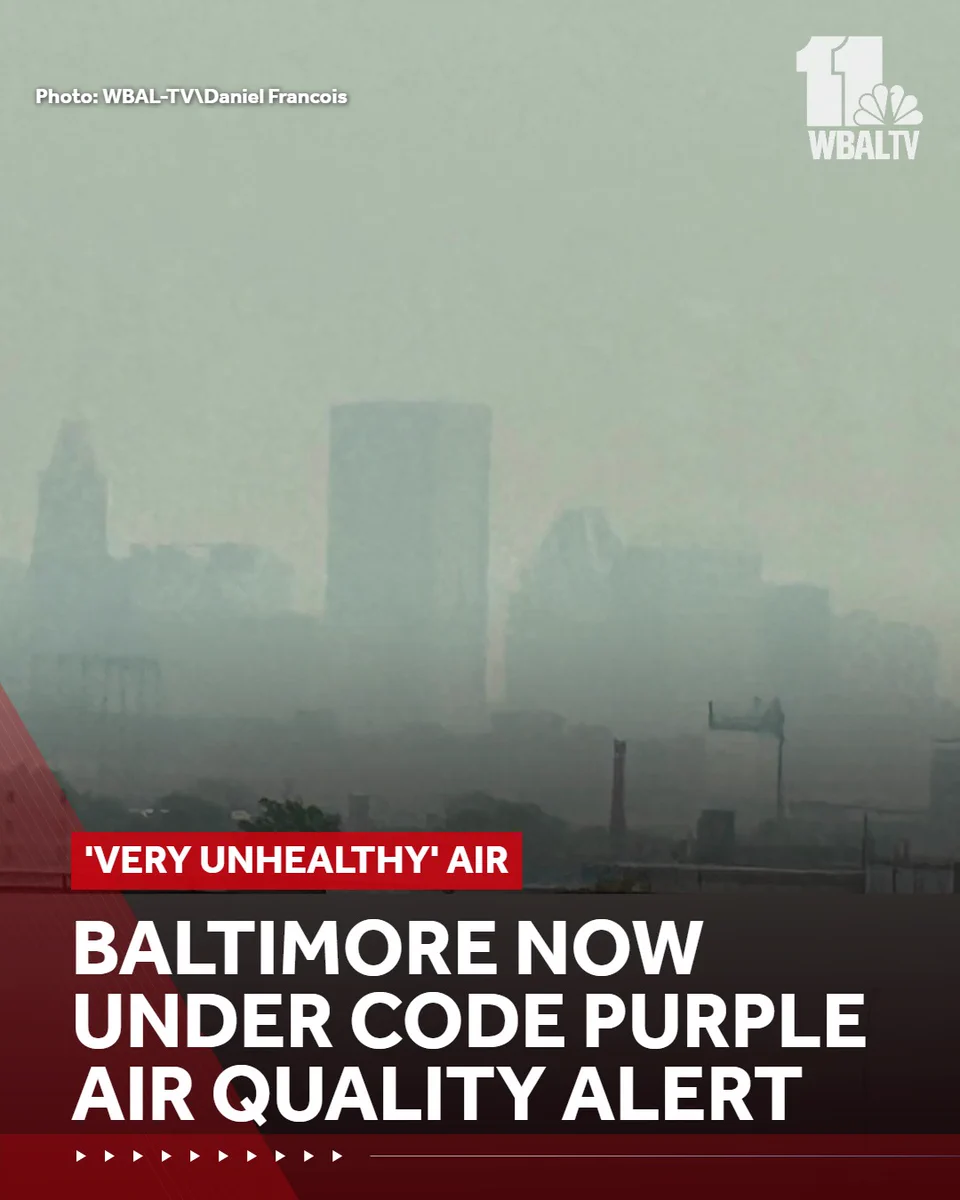
Baltimore residents urged to limit exposure as wildfire smoke lingers
Kids, seniors, outdoor workers and people with asthma should stay inside, shut windows and check Baltimore air alerts before heading out.
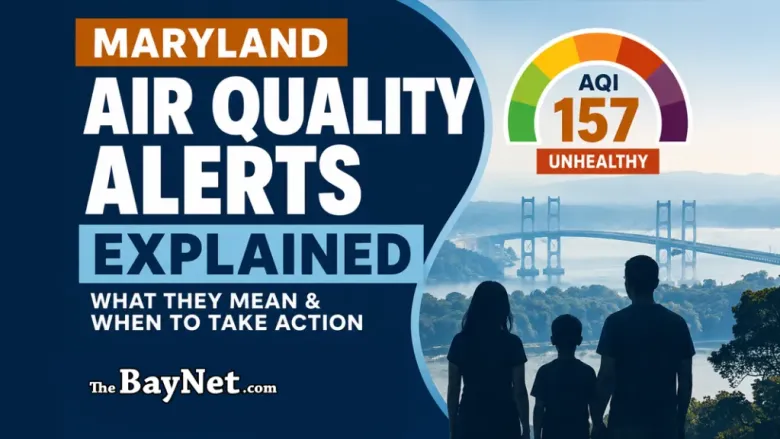
Smoke from more than 100 fires in Canada has worsened air quality in the Baltimore area, with conditions expected to reach unhealthy levels by Friday. Children, older adults, outdoor workers and anyone living with asthma, COPD, heart disease or other breathing problems face the greatest risk. The air can be unhealthy even when you cannot see a thick plume, so the safest move is to cut exposure now, not wait until you feel it in your chest.
Who needs to be most careful today
The combination of extreme heat and wildfire smoke has pushed air-quality concerns across much of Maryland, especially for people with respiratory conditions. Wildfire smoke can harm people many miles away and worsen heart disease, lung conditions and asthma. A University of Maryland-linked study tied Canadian wildfire smoke to a spike in Baltimore doctors’ visits, while another summary found a 20% rise in health issues.
That makes this a day to treat symptoms seriously if you or your child already has a breathing condition. If you are older, spend long hours outside, or have a history of heart or lung trouble, the smoky air can turn a normal errand, commute or practice into a bad bet. Children are also more vulnerable because they breathe faster and spend more time running around outside when the weather invites it.
How to check Baltimore air before you leave home
Baltimore’s air has been hazy enough that people notice it, and in some cases smell it. Maryland’s air-quality warning system makes the stakes plain: Code Orange means unhealthy air for sensitive groups, while more severe alerts can affect everyone.
The Maryland Department of the Environment’s forecasts are available through AirNow and Clean Air Partners, both of which cover the Baltimore-Washington region. AirNow’s Fire and Smoke map is another quick check when wildfire smoke is the concern, and the AirNow mobile app can help if you are deciding whether to go for a run, take the kids to the park or spend the afternoon outside. The Eastern Shore, the Baltimore region and the Washington region have all been in the forecast area, so this is not just a neighborhood problem.
What to do before you head out the door
If the air looks smoky or the alert level rises, keep your plans short and close to home. Close your windows, run the air conditioning if you have it, and switch to recirculated air if you are driving so you are not pulling in more smoke from outside. If you have a portable filter or another way to clean the air indoors, turn it on and keep it running in the room where you spend the most time.
For Baltimore’s rowhomes and apartments, where a separate clean-air room is not always realistic, the basics matter even more. Avoid strenuous exercise outdoors, skip the long bike ride or pickup game, and do not assume you are safe just because the smoke is thin or the sky still looks bright. If you have asthma, keep your rescue medication nearby and follow your action plan before symptoms escalate.
- Keep windows and doors shut as much as possible
- Use air conditioning on recirculate if you have it
- Skip outdoor workouts, sports practice and long walks when the alert turns unhealthy
- Check the forecast before commuting or running errands
- Pay extra attention if you are caring for a child, older adult or someone with a breathing condition
Where to find cleaner indoor air in Baltimore
If you need a place to wait out the smoke, Baltimore’s public libraries and cooling centers can give you a break from the heat and the air outside. Mayor Brandon Scott’s office pointed residents to their local Enoch Pratt Free Library branch during regular hours for relief, and the system’s Central Library sits at 400 Cathedral Street in Mount Vernon. Some branches are closed for maintenance, including the Canton Branch through July 21 and the Cherry Hill Branch on July 17, so check hours before heading out.
City cooling centers are another option during a Code Red Extreme Heat Alert. Those centers provide air-conditioning, shade and cold water, and seniors who need transportation can use CARE’s Taxi Card voucher program with prior registration. If you are trying to decide whether to go to a park, a rec field or the library, the library or a cooling center is the safer bet when the air goes bad.
What smoke and heat are doing in Baltimore
Summer wildfire smoke choked Baltimore badly enough that UMBC air-pollution researchers leapt into action.
This article was produced by Prism’s automated news system from verified source data, official records, and press releases, then run through automated quality and moderation checks before publishing. The system is built and supervised by the people who set the standards it runs under. Read our full AI policy.
Did this article answer your question?