Baltimore school board candidates tout priorities on attendance, transparency
Four of seven Baltimore school board candidates answered a questionnaire on attendance and transparency, giving families a rare side-by-side look at priorities before the June 23 primary.
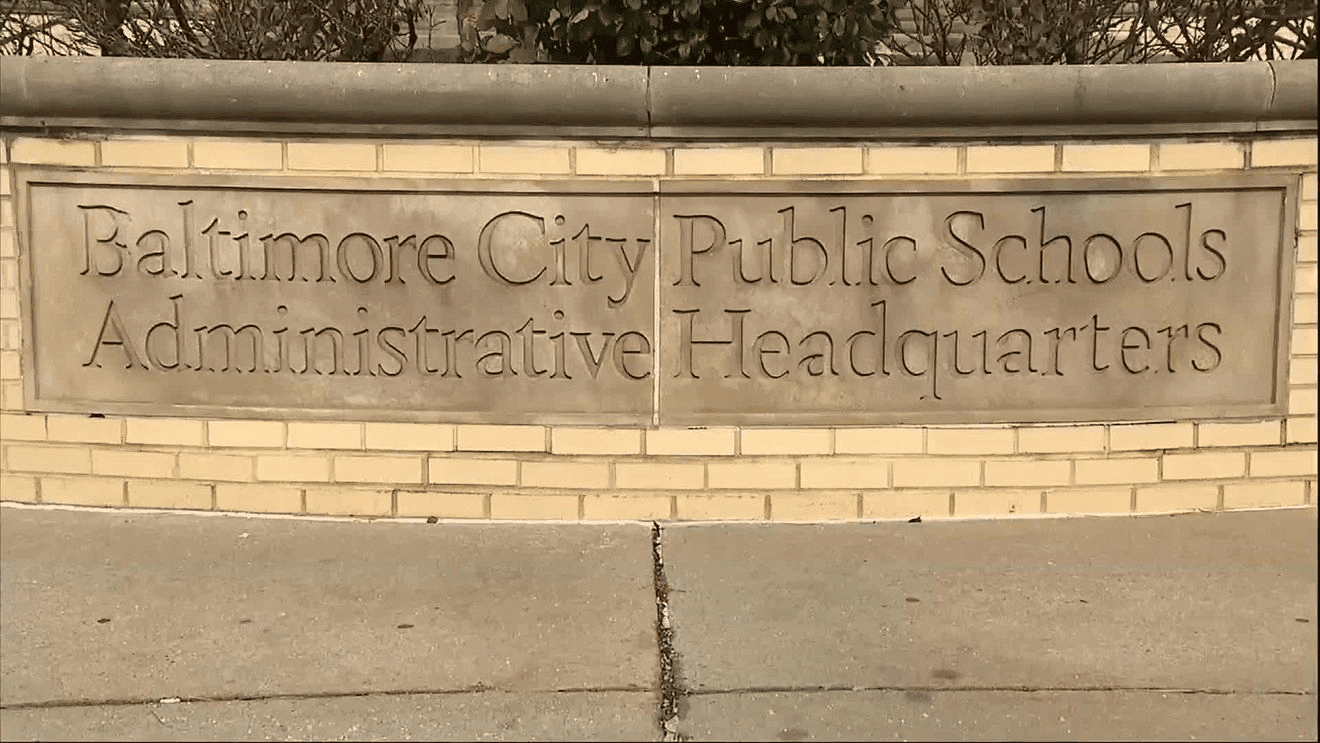
Baltimore City families are choosing school board commissioners at a moment when the district is still wrestling with absenteeism, transportation delays, building repairs and trust. Four of the seven candidates on the June 23 primary ballot answered a questionnaire on their top three priorities, and their responses centered on the issues parents feel most directly: whether children show up, whether schools stay open and safe, whether buses arrive, and whether the system explains itself clearly.
The race comes as Baltimore City Public Schools serves 76,362 students in the 2025-26 school year and the board has already approved a $1.95 billion fiscal 2027 operating budget. Those decisions shape staffing, student services and the basic day-to-day experience in classrooms from Cherry Hill to Park Heights, making the commissioner seats far more than symbolic posts.
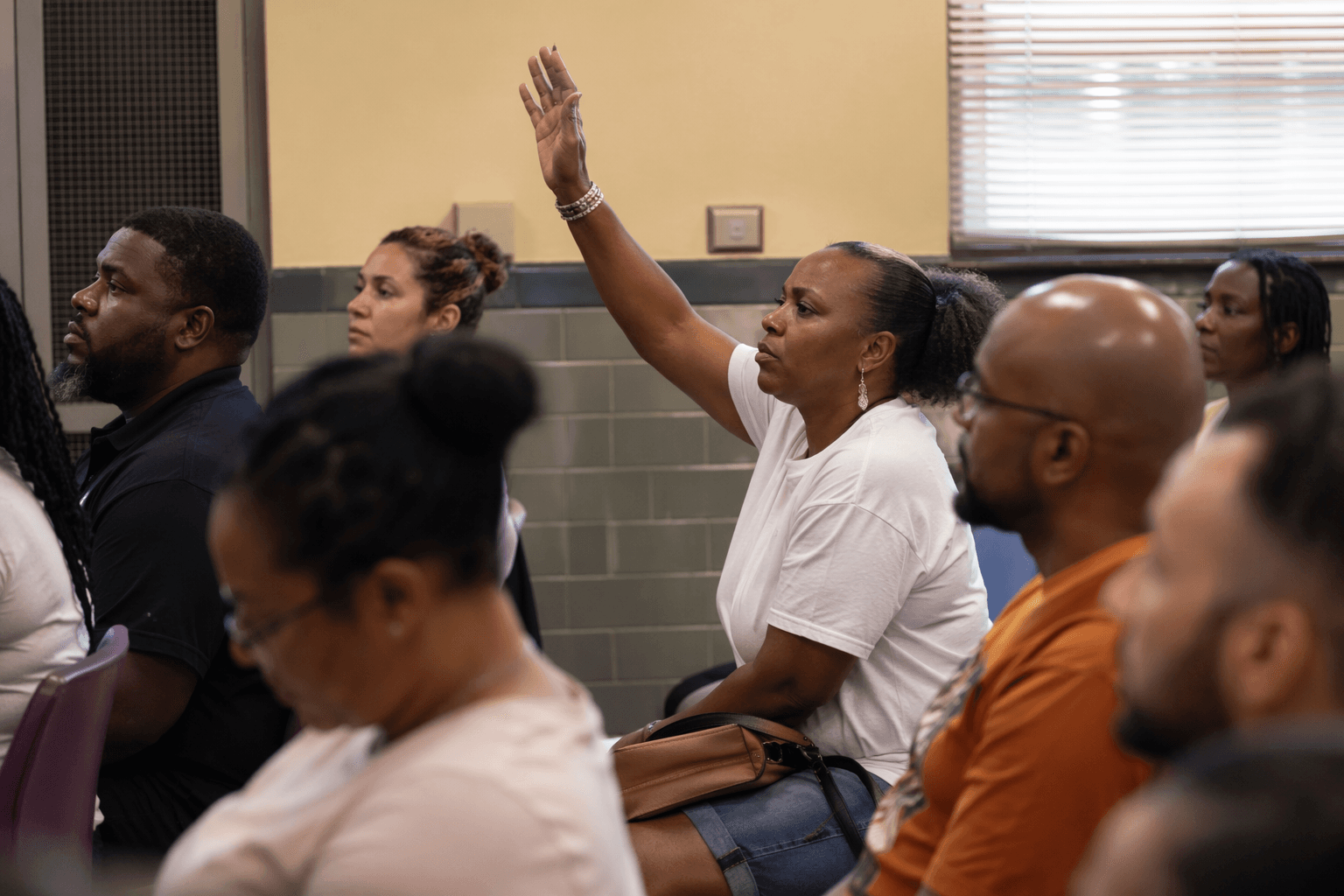
Attendance emerged as one of the clearest pressure points. Maryland defines chronic absenteeism as missing 10% or more of school days, and City Schools has been trying to push those numbers down. At James McHenry Elementary/Middle School, chronic absenteeism fell from 64% in 2020-21 to 40% in 2024-25, a sign that sustained outreach can move the needle even in a system with deeply rooted attendance problems.
Transportation remains just as immediate. Baltimore City Public Schools works with the Maryland Transportation Administration on student rides, and the district has acknowledged that bus-driver shortages can lead to first-week delays. For families trying to get children to class on time, that makes transportation a daily test of whether the system can deliver on the basics, not just a line item in a budget document.
Facilities and school closures also hover over the race. In January, the Board of School Commissioners voted 6-4 to close Baltimore Collegiate School for Boys at the end of the school year, underscoring how quickly board decisions can alter school communities. The stakes are not new: Maryland’s 2013 Baltimore City Public Schools Construction and Revitalization Act created a state-city partnership aimed at funding up to $1.1 billion in facility improvements, a reminder that building-condition problems have been years in the making.
Transparency is the thread tying the rest together. City Schools’ own renewal rules show how much the system says it values student achievement, school climate and financial management, including chronic absence, suspensions, enrollment trends and survey results from parents, teachers and students. That is why the silence from three of the seven candidates matters too. In a race that will help decide who gets to weigh in on attendance, closures, staffing and accountability, voters are left with only a partial list of answers before the June 23 primary sends the top vote-getters on to November.
This article was produced by Prism’s automated news system from verified source data, official records, and press releases, then run through automated quality and moderation checks before publishing. The system is built and supervised by the people who set the standards it runs under. Read our full AI policy.
Did this article answer your question?