Baltimore Schools Pause In Person Learning Around Holidays
Baltimore City Public Schools announced temporary pauses in in person learning to reduce COVID transmission risks tied to holiday travel and gatherings, moving to virtual instruction for key days around winter break. The schedule affects meal site availability and some enrollment and support services, creating short term strains for families who rely on school meals and on campus services.
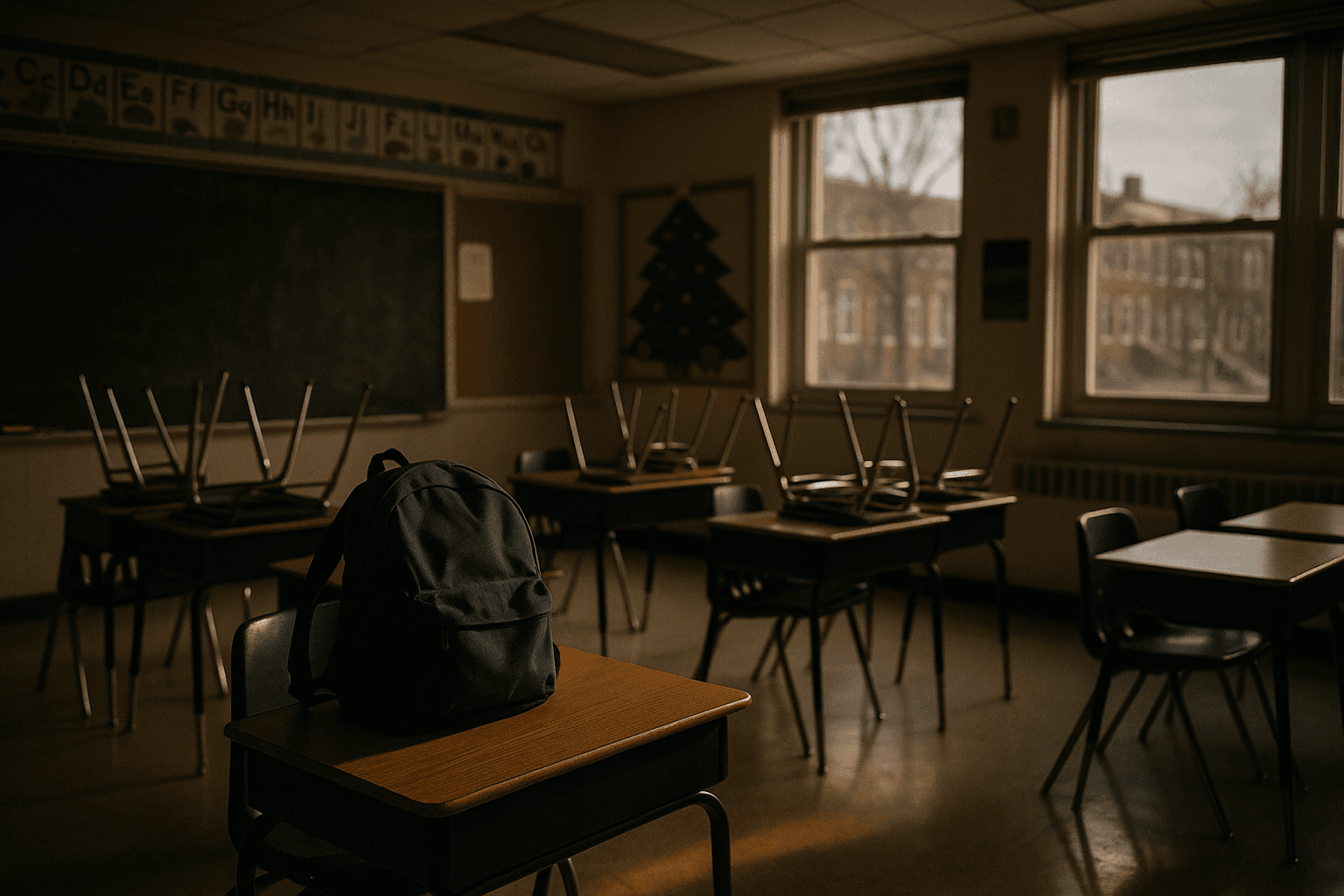
Baltimore City Public Schools announced on December 12, 2025 that it would shift to virtual instruction for two brief periods around the winter break as a precaution against post holiday COVID transmission. The district planned remote learning from Dec. 21 through Dec. 23, 2025 and again from Jan. 4 through Jan. 8, 2026. In person learning was scheduled to resume on Jan. 11, 2026.
The district framed the move as a targeted effort to reduce transmission risks associated with holiday travel and gatherings. District offices were to remain open during the closure periods, while some enrollment and support services moved to virtual operations. Families were directed to district communications for details about virtual instruction schedules and how to access services during the change.
Meal service availability differed across the two closure windows. School meal sites remained open from Dec. 21 through Dec. 23 so families could pick up meals before the extended break. Meal service was scheduled to pause from Jan. 4 through Jan. 8, which means families who depend on school meal sites will need to plan for the early January gap.
The timing and structure of the pause matter for Baltimore households and the local economy. Short notice transitions to virtual learning tend to increase childcare demand and can reduce labor force participation for parents who cannot work remotely. For low income families who rely on school nutrition programs, the temporary closure of meal sites in early January could create food access pressures during a week that can already be challenging for household budgets.
From a policy perspective the district is balancing public health risk reduction with the economic and educational costs of disrupted schooling. The approach of using brief virtual periods flanking breaks reflects a narrower targeted strategy rather than extended closures. City and school leaders will need to monitor local transmission trends and be ready to adjust the plan, while community organizations and employers may need to offer additional support for childcare and food access during the specified dates.
Families seeking the latest instructions on virtual learning, meal pick up, or enrollment services should follow official district communications for any updates or revisions to the schedule.
This article was produced by Prism’s automated news system from verified source data, official records, and press releases, then run through automated quality and moderation checks before publishing. The system is built and supervised by the people who set the standards it runs under. Read our full AI policy.
Did this article answer your question?