Baltimore snowballs keep family tradition and city identity alive
Baltimore snowballs still run on family labor, seasonal traffic and neighborhood loyalty, with old recipes, big rivalries and stands that keep the city’s summer identity alive.
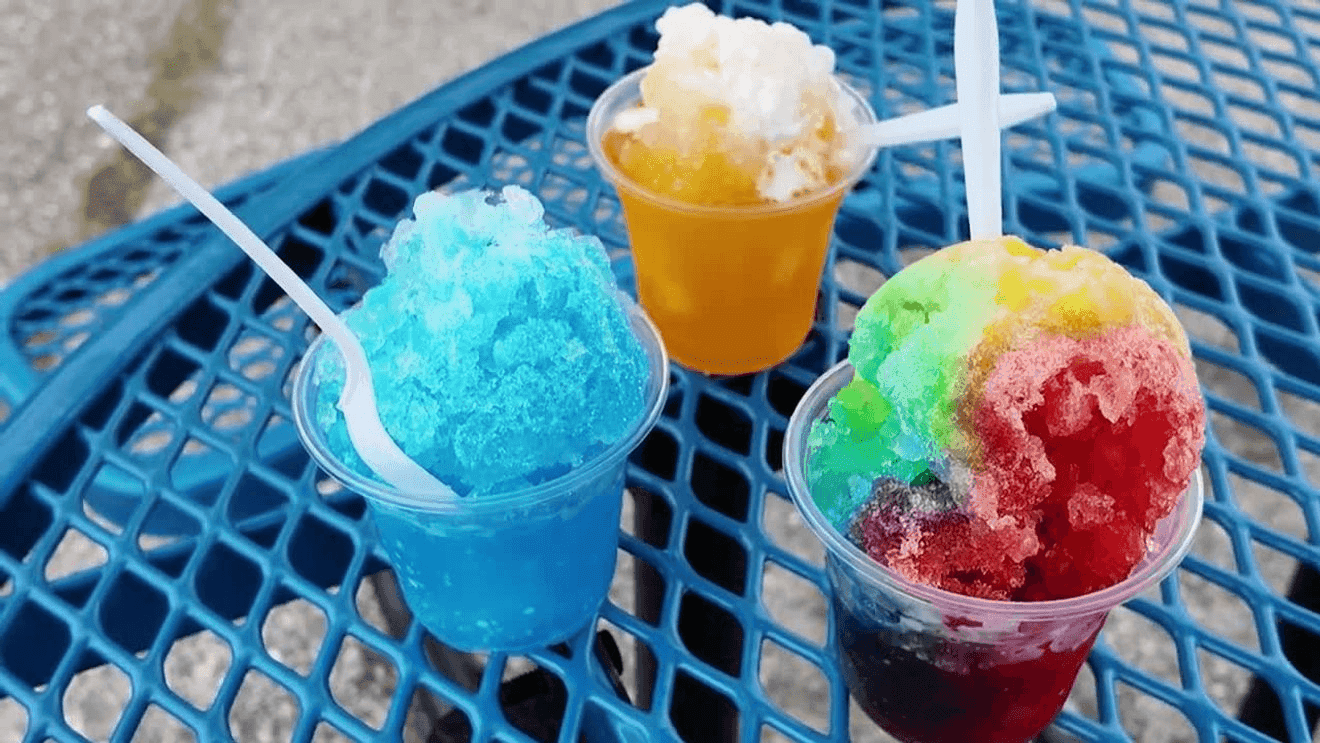
Baltimore’s snowball stands are more than a summer sweet: they are family businesses, neighborhood landmarks and one of the city’s clearest links between history and daily life. The recipe reaches back to the 1800s, but the real story now is who keeps the counters open, who lines up for egg custard and marshmallow, and why these small seasonal operations still matter block by block.
A dessert built into Baltimore’s history
Historical accounts trace Baltimore snowballs to the mid-1800s, when ice wagons rolled through the city and children reportedly asked for shavings. Those early shaved-ice treats evolved into the Baltimore-style snowball, with flavored syrups and the classic egg custard topping made from eggs, vanilla and sugar. By the Great Depression, the dessert had picked up another layer of meaning as a “penny sundae” or “hard-time sundae,” a reminder that the city’s favorite frozen snack once carried real economic weight as an affordable treat.
That history helps explain why the snowball has lasted in Baltimore while so many other local food rituals faded. It is not just nostalgia. It is a citywide habit shaped by cheap ingredients, hot weather and a customer base that learned to treat the stand as part of summer itself. In a place where neighborhoods are closely tied to long memory, the snowball became one of those rare foods that carries both childhood and survival in the same cup.
What makes a Baltimore snowball feel like Baltimore
The difference between a Baltimore snowball and a New Orleans sno-ball still matters to loyalists. Baltimore-style snowballs are generally described as finely shaved ice with marshmallow topping, while New Orleans versions tend to be even finer shaved and often use condensed milk. Both cities have claimed the origin of the dessert for more than a century, which has kept the rivalry alive well beyond the menu board.
That rivalry is part of the local identity. In Baltimore, the egg custard flavor is the touchstone, and some stands still preserve the older recipe. Recent local coverage has also pointed to marshmallow as a defining Baltimore topping, while other stands keep the tradition fresh with flavors such as Old Bay. The result is a dessert that can feel deeply traditional and surprisingly inventive at the same time.
For readers moving around the city in search of the real thing, the important clue is not just the flavor but the style of the stand. Some businesses lean into family recipes and long memory. Others build their identity around speed, volume and the variety of the case. Together, they make snowballs less like a single product and more like a map of Baltimore summer eating.
The businesses behind the cups
The strongest argument that snowballs remain economically alive comes from the numbers. At Summer Delights, manager CJ Reuter says the stand serves about 12,000 customers a year and roughly 23,000 snowballs in a typical season. That kind of volume shows that the market is still real, not symbolic, and that the dessert continues to bring steady foot traffic to a local business built around a short seasonal window.
Ice Queens Snowball and Dessert Shop tells a different but equally revealing business story. Owner Dasia Kabia signed a lease just before the pandemic, adjusted the business plan and opened during Memorial Day weekend in 2020. The shop now serves around 174 to 190 customers a day and an estimated 30,000 to 40,000 snowballs each season. Those figures suggest a resilient market, one where a newer business can still find room if it knows how to serve the neighborhood and keep the line moving.
Together, those stands show how Baltimore snowball businesses compete. One path is volume and consistency. Another is adaptation and speed. Both depend on seasonal demand, neighborhood loyalty and a willingness to turn a simple dessert into a summer routine. That is what makes the category economically interesting: it is small-business retail, but with a cultural pull that can survive changes in weather, taste and even a pandemic.
The Peggy and the power of family legacy
No stand carries the family-history angle more strongly than The Peggy at The Margaret Cleveland. Owner Christopher Heller describes it as the oldest snowball stand in the country, a claim that recent local coverage and the business’s own presentation continue to reinforce. The stand is tied to Margaret “Margie” Cleveland and her mother Peggy Cleveland, making it not just a dessert counter but a family legacy made visible every season.
The Peggy’s 2025 season opening was announced for Friday, May 23, 2025, and the business is typically open from Memorial Day through Labor Day. That seasonal frame matters because it captures the rhythm of Baltimore summer: the stand is there when the city needs it most, then disappears when the weather turns and the neighborhood traffic changes. In that sense, the stand is a marker of time as much as a place to buy dessert.
Baltimore Magazine has also highlighted the way some stands function as community gathering spots while keeping older egg custard recipes alive. That combination of memory and social life is part of why The Peggy draws so much attention. It is not only about who was first. It is about how a family name, a neighborhood counter and a summer schedule can become a lasting civic symbol.
Why Baltimore keeps coming back
The snowball persists because it solves several Baltimore problems at once. It gives families a cheap pleasure in the hottest months. It offers small businesses a seasonal revenue stream and summer hiring opportunity. It gives neighborhoods a place to gather that feels local in a city where local identity still matters a great deal.
That is why the best snowball story is not a simple nostalgia piece. It is a story about competition, family labor, recipe loyalty and the economics of summer. From egg custard to marshmallow to Old Bay, Baltimore keeps using the snowball to define itself one cup at a time, and the stands that survive each season do more than serve dessert. They keep the city’s memory in business.
This article was produced by Prism’s automated news system from verified source data, official records, and press releases, then run through automated quality and moderation checks before publishing. The system is built and supervised by the people who set the standards it runs under. Read our full AI policy.
Did this article answer your question?