Baltimore Volunteers Deliver Meals, Gifts, Warm Clothing on Christmas Day
On December 25, local organizations and neighborhood groups mobilized to provide meals, gifts, warm clothing, and essential services to Baltimore residents in need. The coordinated effort, organized through a community bulletin that collected volunteer sign ups and contact details in advance, filled critical gaps in holiday support and highlighted broader supply and funding pressures facing the city.
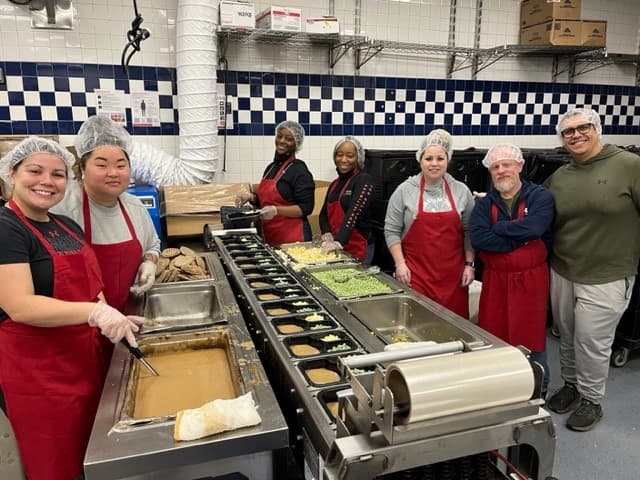
On Christmas Day, Baltimore saw a citywide surge in volunteer activity as shelters, faith based groups, food distribution programs, and neighborhood mutual aid networks opened their doors to serve residents who otherwise would have limited access to meals and warm supplies. Organizers reported that the day’s operations ranged from sit down meal services to grab and go distributions, clothing handouts, and help connecting people to social services.
A centralized community bulletin compiled the openings, sign up procedures, and contact information for multiple events, and it emphasized that many programs required advance registration. That preparation let volunteers slot into meal service shifts, delivery teams, and gift distributions without overwhelming staff at front line sites. For residents wanting to help, the bulletin listed phone and email contacts and next step guidance to confirm availability before arriving.
The immediate impact was practical and measurable in human terms. Families who could not afford gifts or a holiday meal gained temporary relief, and people experiencing homelessness received warm clothing and coordinated referrals to shelter and case management. Volunteers provided labor that supported operations on a day when public offices were closed, reducing service interruptions and preserving limited staff capacity for critical tasks.

From an economic and policy perspective, the pattern underscored a recurring tension in Baltimore’s social safety net. Seasonal charitable efforts plug gaps on high demand days, but they also reveal dependence on ad hoc volunteer capacity and donated goods rather than stable, year round funding for hunger prevention and housing support. As costs of living remain elevated, demand for holiday and emergency services is likely to stay high, increasing pressure on nonprofit budgets and municipal service planning.
For the city, those pressures translate into practical budget choices. Investing in permanent shelter capacity, streamlined volunteer coordination systems, and predictable funding for meal programs could reduce reliance on emergency responses and improve outcomes for vulnerable residents. In the short term, Baltimore’s Christmas Day volunteer mobilization offered essential relief and demonstrated the strength of local civic networks, while also signaling the need for more durable policy solutions to address persistent need.
This article was produced by Prism’s automated news system from verified source data, official records, and press releases, then run through automated quality and moderation checks before publishing. The system is built and supervised by the people who set the standards it runs under. Read our full AI policy.
Did this article answer your question?


